
「ダムができると何が変わるの?」
そう聞かれたら、多くの方は「水をためる施設ができる」と答えるかもしれません。
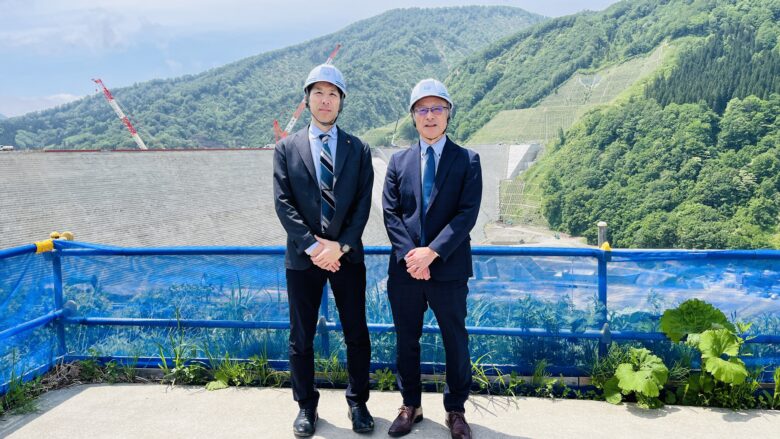
もちろん、それも正解です。しかし今回の視察を通じて感じたのは、ダムは単なる巨大な土木構造物ではなく、地域の未来を考えるための大きなきっかけにもなり得るということでした。先日、私が理事を務める一般社団法人日本環境NPOネットワーク(JENsNET)の会議および視察として、東成瀬村にある成瀬ダム工事事務所および建設中の成瀬ダムを訪問しました。そこで見えてきたのは、「完成後の地域をどうするか」という、ダムそのもの以上に大切なテーマでした。
■完成がゴールではない「成瀬ダム水源地域ビジョン」
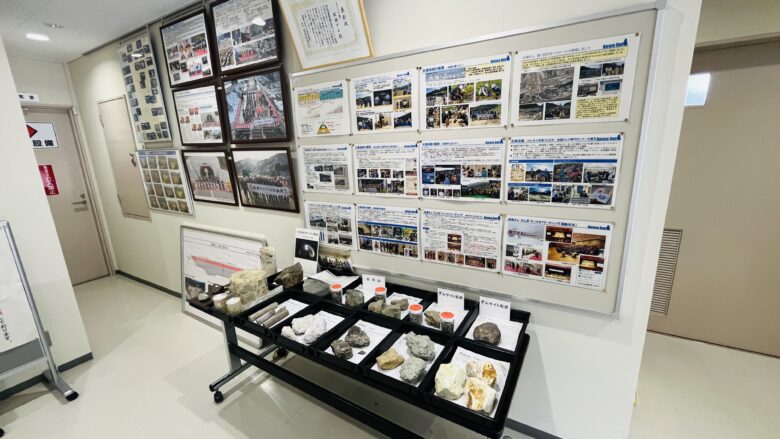
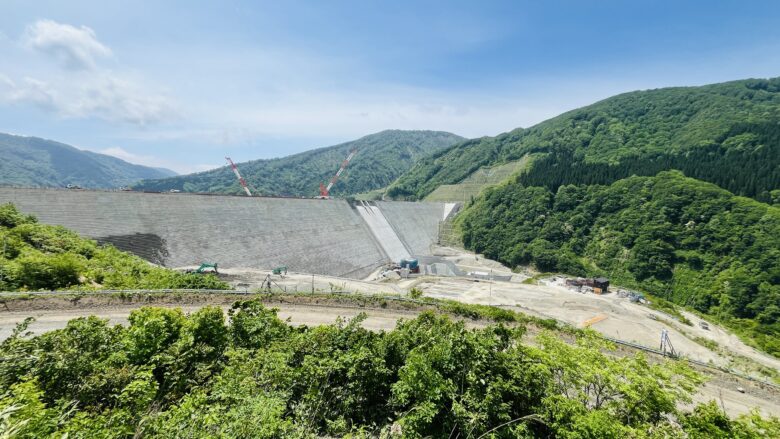
今回、成瀬ダム工事事務所では野口所長から「成瀬ダム水源地域ビジョン」について説明を受けました。成瀬ダムは令和9年度の完成を予定しており、世界最大級のSCG工法を採用した大規模事業として整備が進められています。しかし興味深かったのは、説明の中心が「ダム完成後の地域づくり」だったことです。ダムが完成すると、これまで工事に関わっていた多くの人が地域を離れ、国土交通省の職員配置も縮小されます。つまり、本当の課題は完成後に始まるのです。
そのため東成瀬村では、将来を見据えて地域が自立的に発展していくためのビジョンづくりを進めています。家づくりに例えるなら、建物が完成した後にどんな暮らしをするのかを考えるようなものです。建てることが目的ではなく、その後どう活用するかが重要なのです。
■失われた自然を未来へつなぐ「成瀬の森づくり」
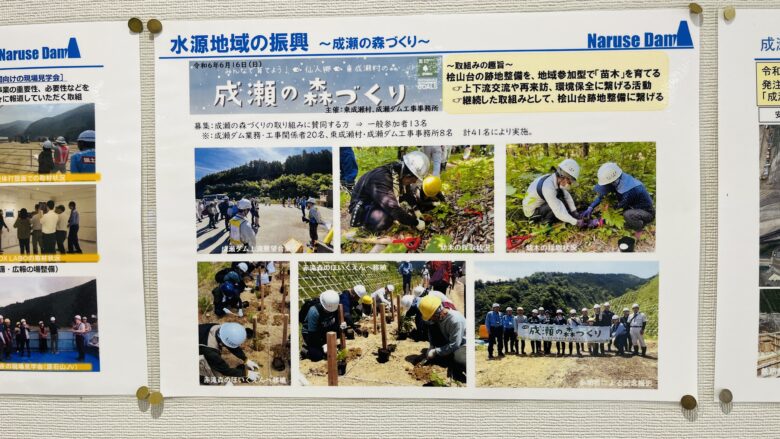
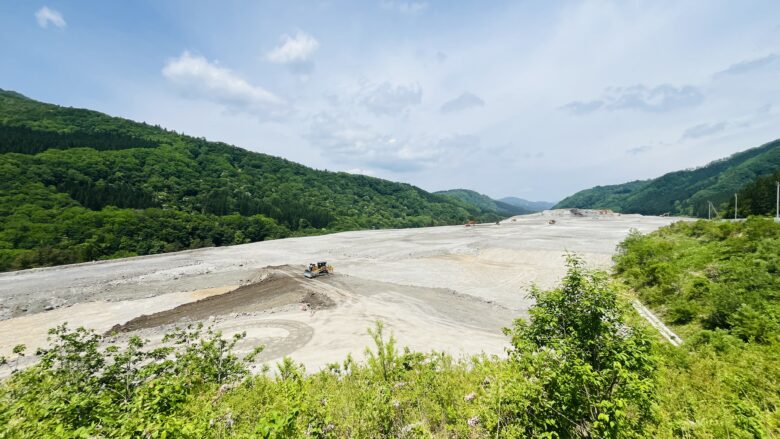
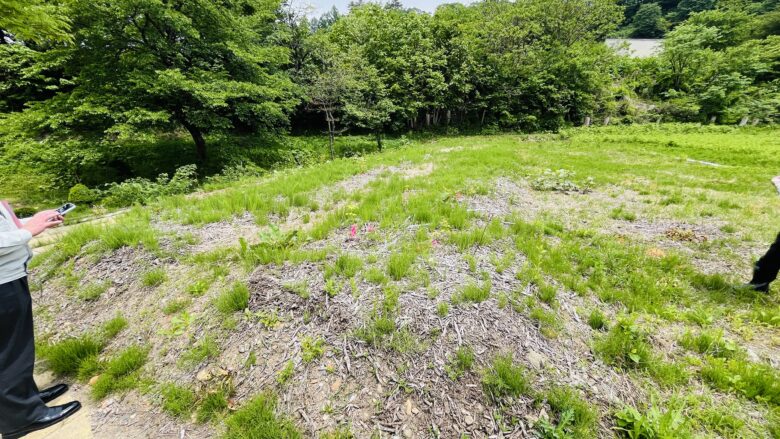
今回の視察で特に印象に残ったのが、「成瀬の森づくり」事業です。ダム建設に伴い移植された上流域の樹木。その幼木を育て、将来的に桧山台跡地へ植樹する計画が進められています。現在は工事残土を活用した造成が行われており、本格的な植樹はダム完成後になる見込みとのことでした。
私は現地を見ながら、「森づくりは未来へのバトンリレーだな」と感じました。木を植えても、その成果を見るのは10年後、20年後かもしれません。それでも今の世代が行動しなければ、次の世代に豊かな森は残せません。環境保全というと難しく聞こえますが、実は子どもや孫の世代に何を残すかという、とても身近な話なのだと思います。
■秋田の水源地から始まる新しい挑戦
今回の視察では、私からセブン‐イレブン記念財団が全国で展開している「セブンの森」事業について説明する機会もいただきました。その後の意見交換では、
- 生物多様性の保全
- 水源地の保全
- 森林再生
- 脱炭素への貢献
などを目的とした新たな森づくりの可能性について議論しました。
東成瀬村は秋田県を代表する水源地の一つです。しかし、その恩恵を受けているのは東成瀬村だけではありません。横手市や大仙市、さらにその下流域に暮らす(私の暮らす)秋田市の人々も、水という大切な資源の恩恵を受けています。だからこそ、ダムも森も地域だけの財産ではなく、「流域全体の共有財産」という考え方が非常に重要だと感じました。もし将来的に「秋田セブン・水源の森」といった形で事業化できれば、「森・里・川・海」のつながりを学べる全国的にも特色あるモデルになる可能性があります。
■まとめ―未来に残るのはコンクリートだけではない
今回の視察を通じて改めて感じたのは、地域づくりとは施設を造ることではなく、そこに物語をつくることだということです。成瀬ダムは完成すれば大きなインフラとして地域を支えます。しかし、それ以上に大切なのは、その周りにどんな森を育てるのか、どんな人が関わるのか、どんな未来を描くのか、ではないでしょうか。
森は一日では育ちません。地域づくりも同じです。だからこそ今から種をまき、仲間を増やし、未来へつながるストーリーを描いていく必要があります。
皆さんもぜひ、普段飲んでいる水がどこから来ているのか、身近な森がどんな役割を果たしているのかに少しだけ目を向けてみてください。その小さな関心が、秋田の未来を支える大きな力になるかもしれません。
【English】May 26, 2026 – Beyond Naruse Dam: How Forest Creation Can Shape the Future of a Community
“When a dam is built, what changes?”
Many people might answer, “It creates a place to store water.”
Of course, that is true. However, what I realized during this study visit was that a dam is not just a massive engineering project. It can also become an important opportunity to think about the future of a region. Recently, as part of a training visit organized by the Japan Environmental NPO Network (JENsNET), where I serve as a board member, I visited the Naruse Dam Construction Office and the Naruse Dam project site in Higashinaruse Village, Akita Prefecture.
What stood out to me was a theme that may be even more important than the dam itself: What should the community look like after the project is completed?
The Goal Is Not Completion: The Naruse Dam Watershed Vision
During our visit, Director Noguchi explained the Naruse Dam Watershed Vision. Naruse Dam is scheduled for completion in fiscal year 2027 and is being built using one of the world’s largest applications of the SCG (Cemented Sand and Gravel) construction method.
What was especially interesting was that much of the discussion focused not on the construction itself, but on community development after the dam is completed. Once construction is finished, many of the workers involved in the project will leave the area, and the number of staff assigned by the national government will also be reduced. In other words, the real challenge begins after the dam is completed.
For that reason, Higashinaruse Village is creating a long-term vision that will help the community continue to grow and thrive on its own. It is similar to building a house. The goal is not simply to finish construction. What matters most is how people will live there afterward.
Passing Nature on to the Future: The Naruse Forest Project
One of the most memorable parts of the visit was learning about the Naruse Forest Project.
Trees from the upper river basin that were relocated because of dam construction have been carefully preserved and grown as young saplings. The plan is to plant them in the former Hiyamadai area in the future.
At present, land preparation is being carried out using soil and materials generated during construction, and large-scale tree planting is expected to begin after the dam is completed. As I stood there, I felt that forest creation is like passing a baton to the next generation.
Even if we plant trees today, we may not see the full results for ten or twenty years. Yet if our generation does not act now, future generations will not inherit healthy forests. Environmental conservation may sound complicated, but at its heart it is a simple question: What kind of world do we want to leave for our children and grandchildren?
A New Challenge Beginning at Akita’s Water Source
During the visit, I also had an opportunity to introduce the Seven Forests Project, a nationwide environmental program supported by the Seven-Eleven Memorial Foundation.
During our discussions, we explored new possibilities for forest creation with goals such as:
Protecting biodiversity
Conserving water source areas
Restoring forests
Contributing to carbon neutrality and climate action
Higashinaruse Village is one of the most important water source areas in Akita Prefecture. However, the benefits of this water are not limited to the village itself. People living in Yokote City, Daisen City, and downstream communities, including Akita City where I live, also benefit from this valuable resource.
That is why I believe it is important to view both dams and forests not simply as local assets, but as shared assets for the entire river basin. If a project such as an “Akita Seven Water Source Forest” could be created in the future, it could become a unique model that helps people learn about the connections between forests, rural communities, rivers, and the sea.
Conclusion: The Future Is Built with More Than Concrete
This visit reminded me that community development is not simply about building facilities. It is about creating a story for the future.
Once completed, Naruse Dam will serve as an important piece of infrastructure for the region. But perhaps even more important are the questions that come afterward:
What kind of forests will grow around it?
What kind of people will become involved?
What kind of future will the community create?
Forests do not grow in a single day. Community development is the same.
That is why we need to plant seeds today, build partnerships, and create stories that connect the present to the future. I hope you will take a moment to think about where the water you drink comes from and what role nearby forests play in your daily life. That small curiosity may become a powerful force in shaping Akita’s future.
【Español】26 de mayo de 2026 – Más allá de la represa Naruse: cómo la creación de bosques puede construir el futuro de una comunidad
“¿Qué cambia cuando se construye una represa?”
Muchas personas probablemente responderían: “Se crea un lugar para almacenar agua”. Y esa respuesta es correcta. Sin embargo, lo que aprendí durante esta visita de estudio es que una represa no es solamente una enorme obra de ingeniería. También puede convertirse en una oportunidad para pensar en el futuro de una región.
Recientemente, como parte de una visita de capacitación organizada por la Asociación General Incorporada Red Japonesa de ONGs Ambientales (JENsNET), de la cual soy director, visité la Oficina de Construcción de la Represa Naruse y el sitio de construcción de la represa en la aldea de Higashinaruse, prefectura de Akita. Lo que más me llamó la atención fue un tema que quizá sea incluso más importante que la propia represa: ¿qué pasará con la comunidad después de que la obra termine?
El objetivo no es terminar la obra: la Visión de la Cuenca de la Represa Naruse
Durante la visita, el director Noguchi nos explicó la Visión de la Cuenca de la Represa Naruse. La represa está programada para completarse en el año fiscal 2027 y se está construyendo utilizando uno de los proyectos más grandes del mundo con el método SCG (Cemented Sand and Gravel). Lo más interesante fue que gran parte de la explicación no se centró en la construcción, sino en el desarrollo de la comunidad después de la finalización de la represa.
Cuando las obras terminen, muchas de las personas que trabajan en el proyecto dejarán la zona y también disminuirá el número de funcionarios asignados por el gobierno nacional. En otras palabras, el verdadero desafío comenzará después de la inauguración.
Por esta razón, la aldea de Higashinaruse está elaborando una visión a largo plazo para que la comunidad pueda desarrollarse de manera sostenible e independiente. Es parecido a construir una casa. El objetivo no es simplemente terminar el edificio. Lo más importante es cómo se va a vivir en él después.
Conectar la naturaleza con el futuro: el Proyecto Bosque de Naruse Uno de los aspectos que más me impresionó fue el Proyecto Bosque de Naruse. Debido a la construcción de la represa, algunos árboles de la parte alta de la cuenca tuvieron que ser trasladados. Actualmente, sus retoños están siendo cultivados para ser plantados en el futuro en el antiguo sitio de Hiyamadai.
Por ahora, se está preparando el terreno utilizando materiales generados por la construcción, y la plantación a gran escala comenzará después de que la represa sea terminada.
Mientras observaba el lugar, pensé que crear un bosque es como pasar una estafeta a la siguiente generación. Aunque plantemos árboles hoy, quizá no veamos los resultados completos dentro de diez o veinte años. Sin embargo, si nuestra generación no actúa ahora, las generaciones futuras no heredarán bosques saludables.
La conservación ambiental puede parecer un tema complicado, pero en realidad es una pregunta muy cercana a todos nosotros: ¿qué queremos dejarles a nuestros hijos y nietos?
Un nuevo desafío que nace en las fuentes de agua de Akita
Durante la visita también tuve la oportunidad de presentar el proyecto “Seven no Mori” (Bosques Seven), una iniciativa ambiental que la Fundación Conmemorativa Seven-Eleven desarrolla en todo Japón.
Durante el intercambio de ideas, discutimos nuevas posibilidades relacionadas con la creación de bosques para:
Proteger la biodiversidad
Conservar las zonas de captación de agua
Restaurar los bosques
Contribuir a la descarbonización y a la lucha contra el cambio climático
La aldea de Higashinaruse es una de las principales fuentes de agua de la prefectura de Akita. Sin embargo, los beneficios de esa agua no llegan solamente a la aldea. Las personas que viven en las ciudades de Yokote y Daisen, así como quienes vivimos aguas abajo, incluyendo la ciudad de Akita, también dependemos de este recurso tan valioso.
Por eso considero importante entender que tanto las represas como los bosques no son únicamente patrimonio de una comunidad, sino un patrimonio compartido por toda la cuenca hidrográfica. Si en el futuro pudiera desarrollarse un proyecto como el “Bosque Seven de las Fuentes de Agua de Akita”, podría convertirse en un modelo único que ayude a las personas a comprender la conexión entre los bosques, las comunidades rurales, los ríos y el mar.
Conclusión: lo que queda para el futuro no es solo concreto
Esta visita me recordó que el desarrollo comunitario no consiste únicamente en construir infraestructura. También consiste en crear una historia para el futuro.
Cuando esté terminada, la represa Naruse será una infraestructura importante para la región. Pero quizá sea aún más importante preguntarnos:
¿Qué tipo de bosques crecerán a su alrededor?
¿Qué tipo de personas participarán en su desarrollo?
¿Qué futuro quiere construir esta comunidad?
Los bosques no crecen en un solo día. Lo mismo ocurre con las comunidades.
Por eso debemos sembrar las semillas hoy, sumar aliados y construir historias que conecten el presente con el futuro. Les invito a pensar por un momento de dónde viene el agua que beben todos los días y qué papel desempeñan los bosques cercanos en sus vidas. Esa pequeña curiosidad podría convertirse en una gran fuerza para construir el futuro de Akita.