
「もし、今ここで大地震が起きたら、自分は何ができるだろう?」
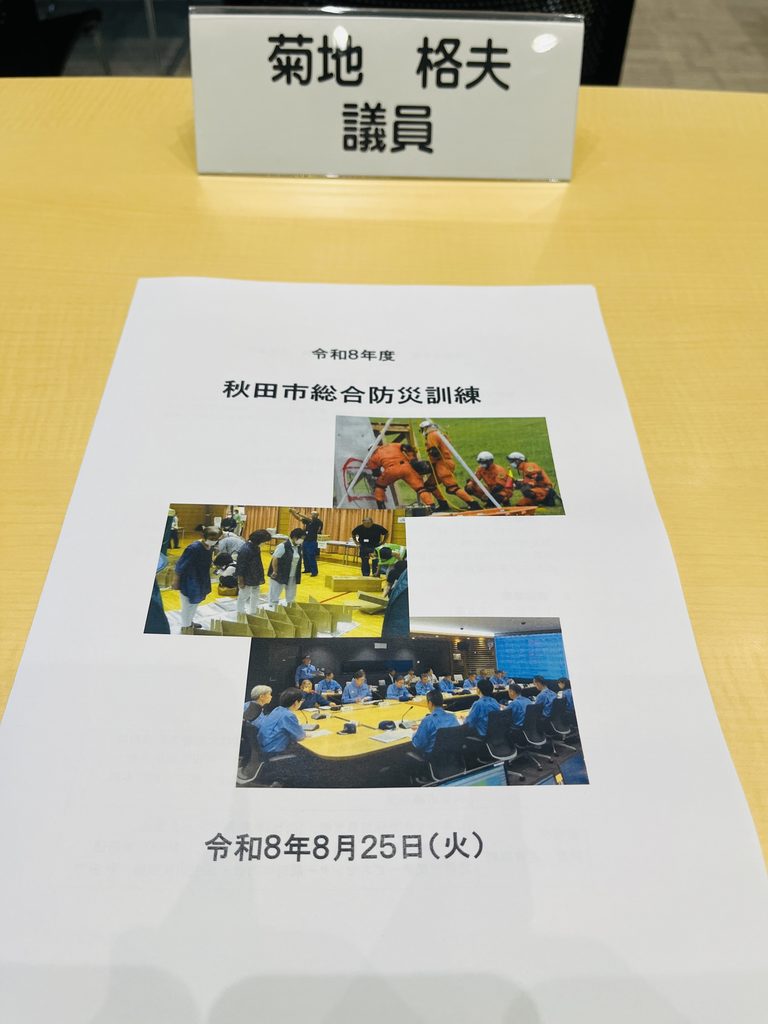
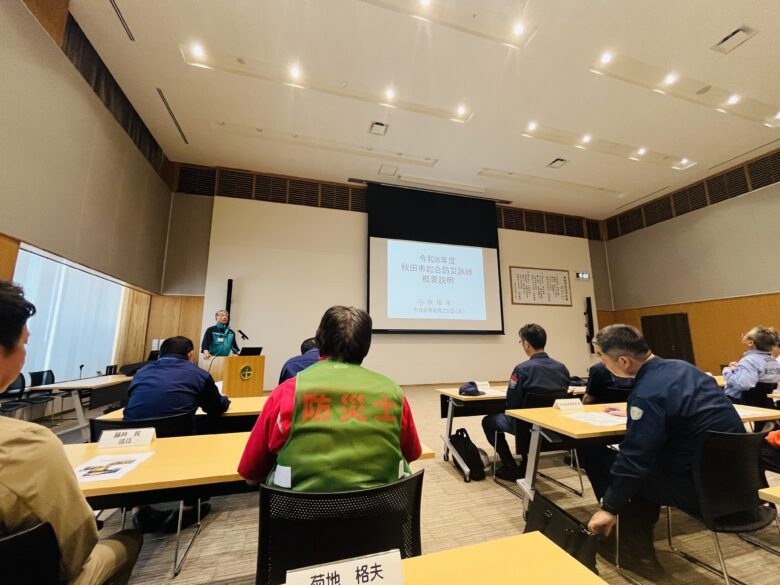
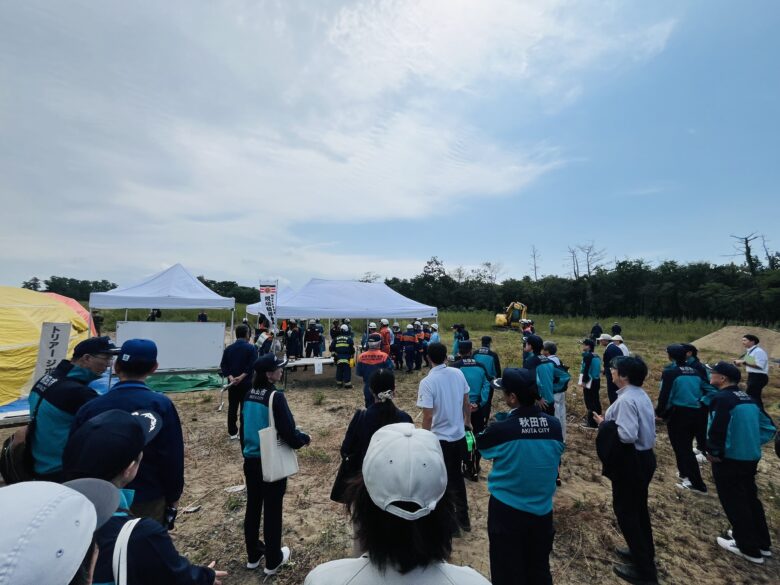
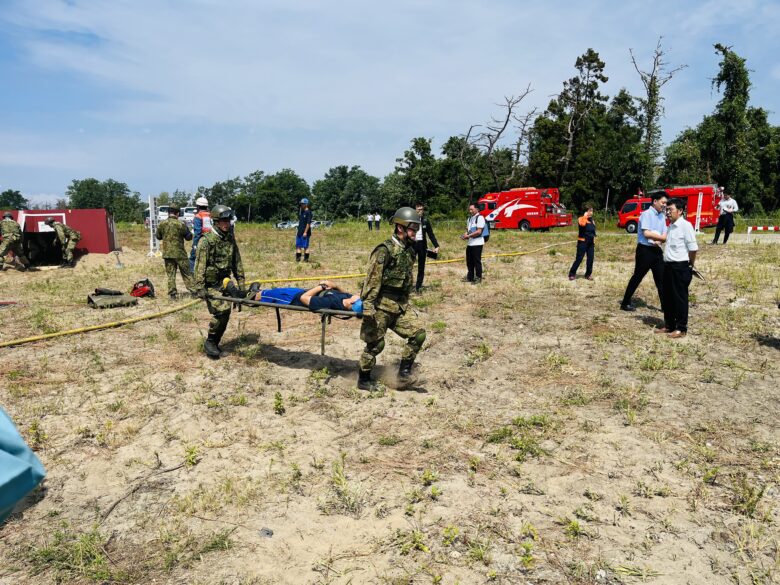
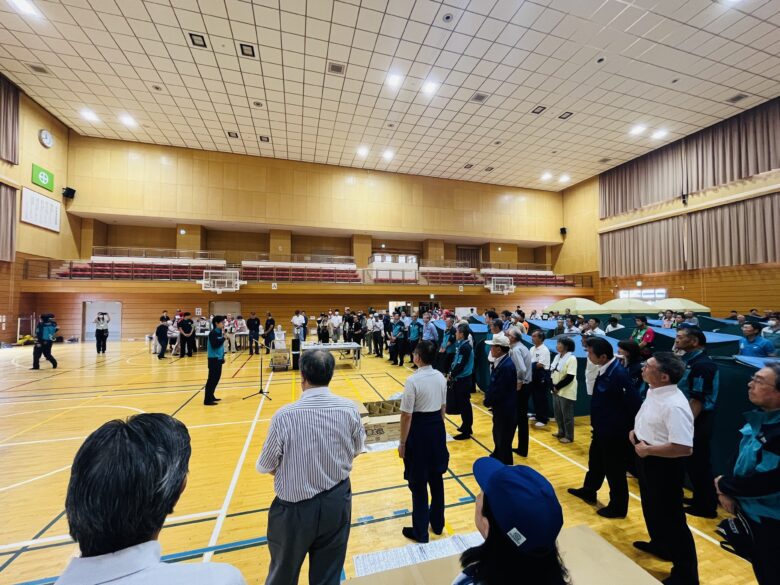
防災訓練を見ながら、そんなことを考えていました。令和8(2026)年8月25日、令和8年度秋田市総合防災訓練を参観しました。今回はM7クラスの大地震が午前3時45分に発生したという想定。市役所をはじめ、消防、県、自衛隊、DMAT、建設業協会、民間企業、町内会、自主防災組織など、多くの関係機関が参加しました。直前には熊本でも大きな地震があり、全国各地で大雨による災害も続いています。「災害はいつ起きるか分からない」という言葉が、以前よりずっと現実味を持って感じられるようになりました。
「見る訓練」から「動く訓練」へ
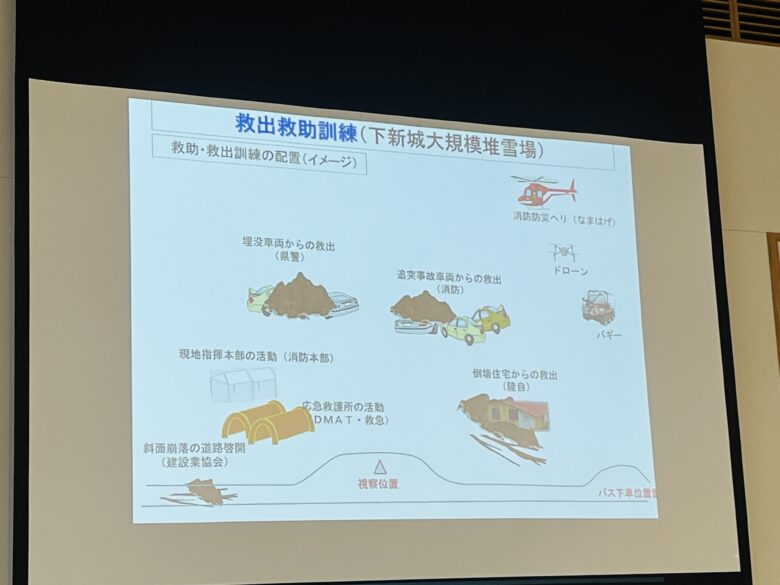
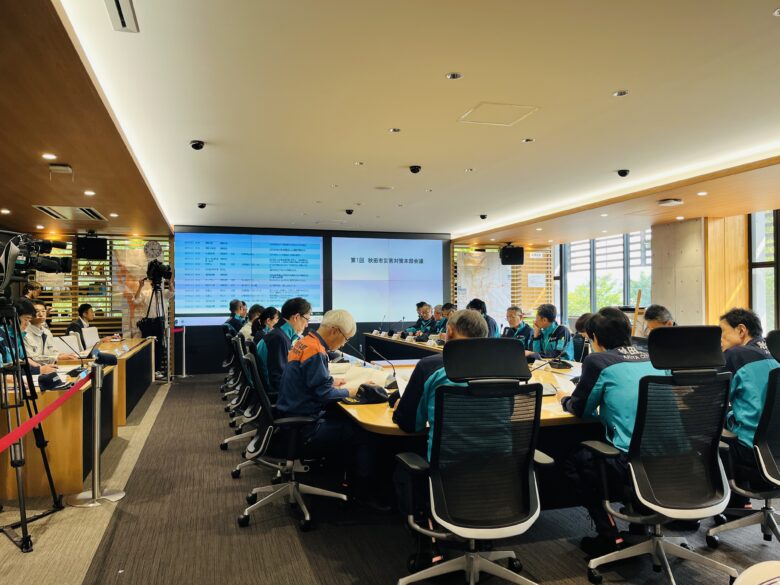
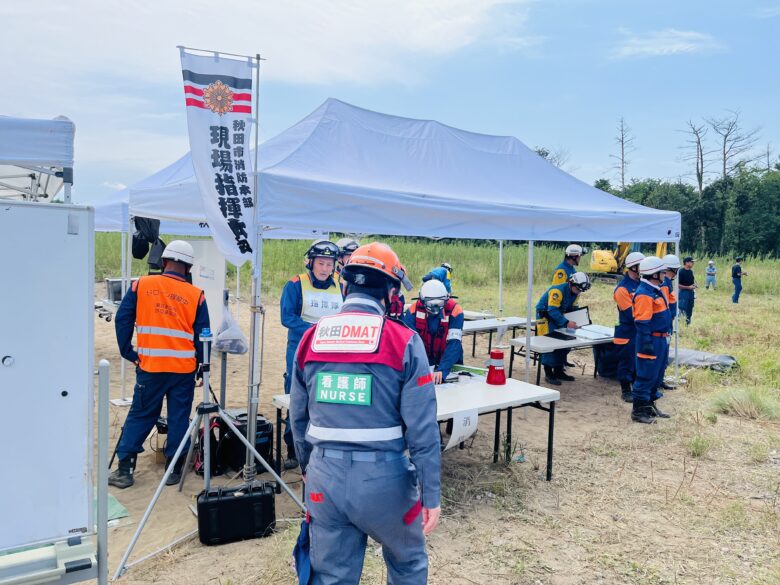
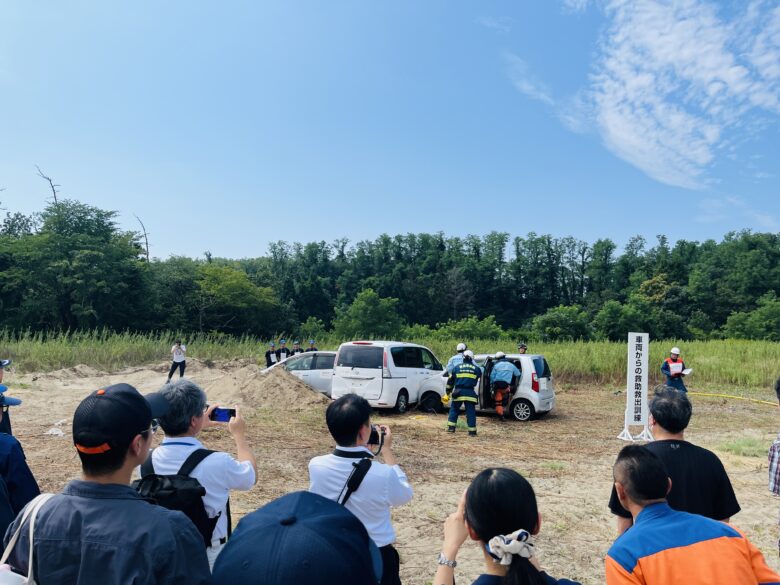
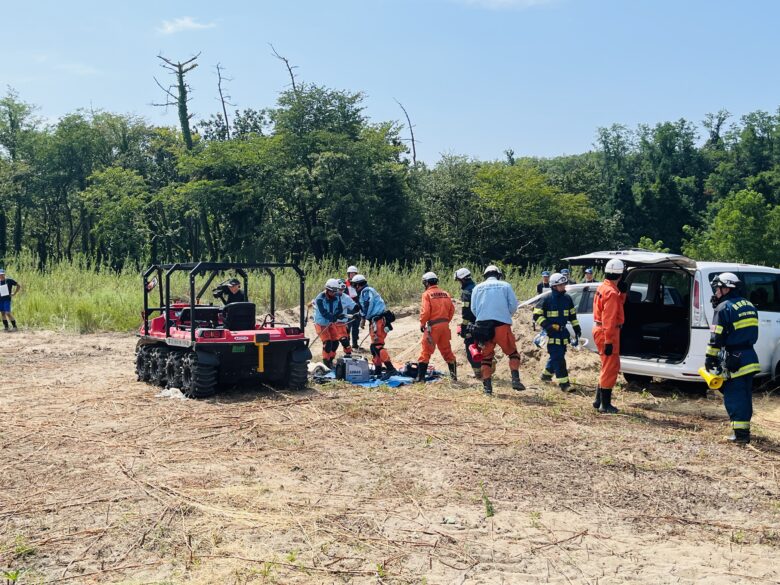
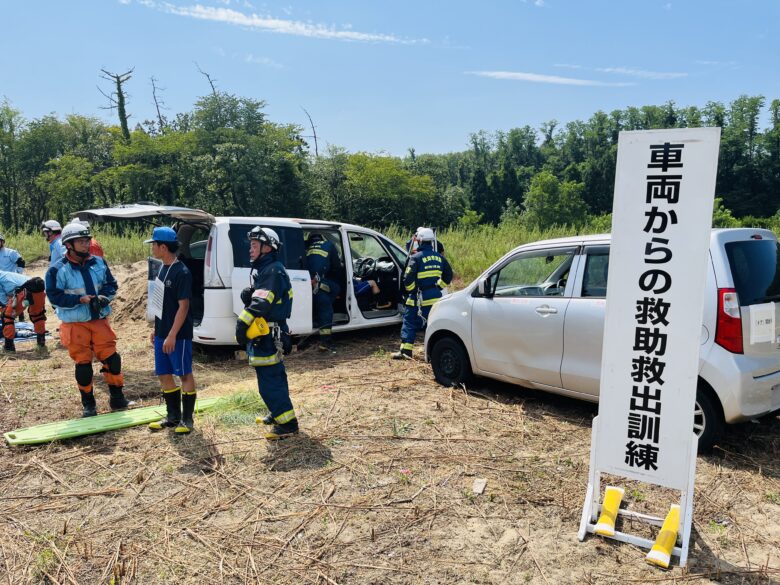
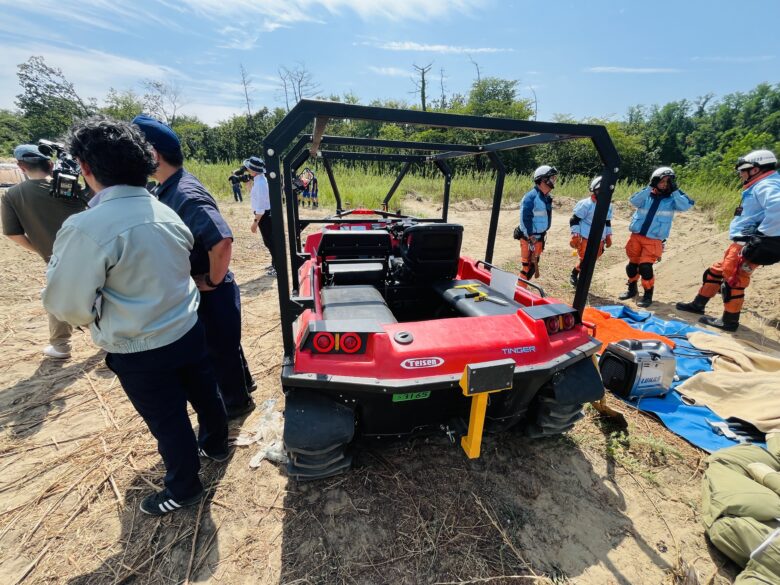
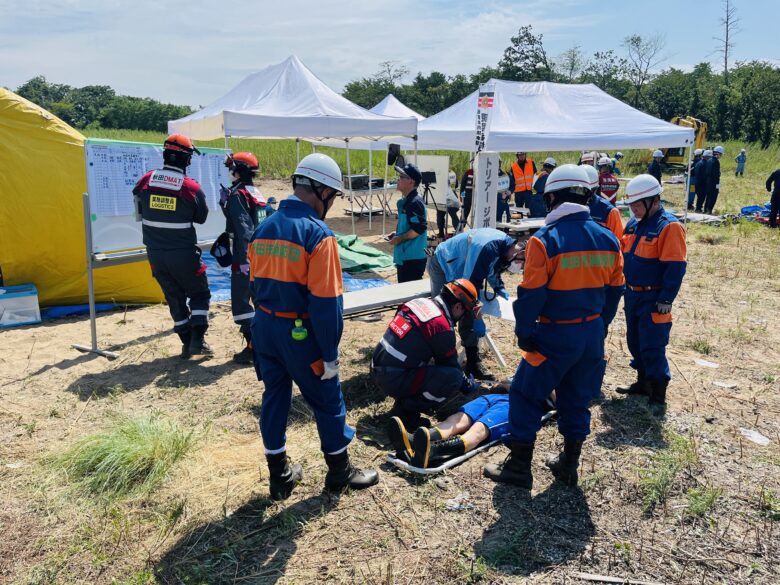
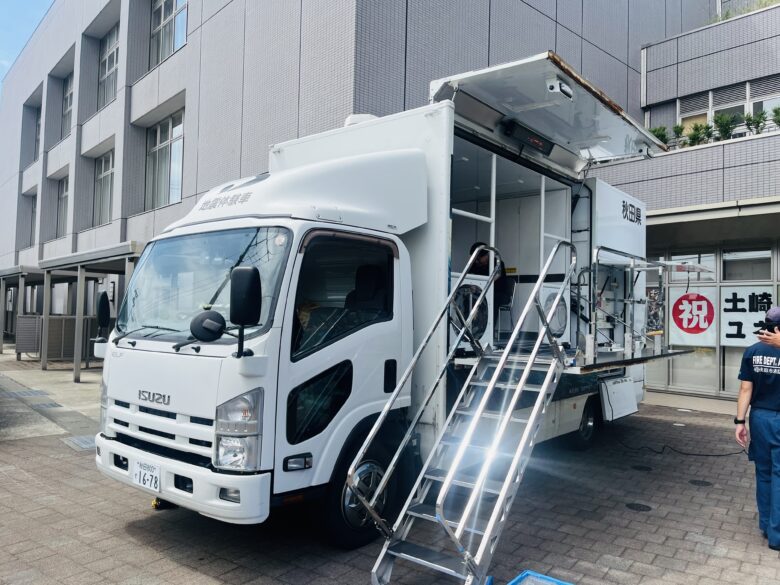
今回の訓練で印象的だったのは、かなりの緊張感を持って訓練に臨んでいたことです。市役所では災害対策本部を設置し、次々と入ってくる情報を整理して対応方針を決定。現場ではドローンやバギーを使った情報収集、土砂や車両、建物からの救助・救出、重機による道路啓開などが行われました。
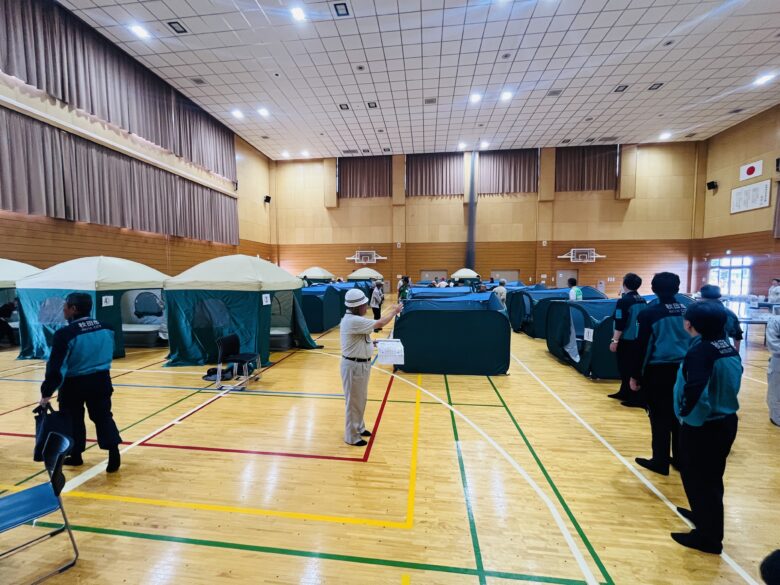
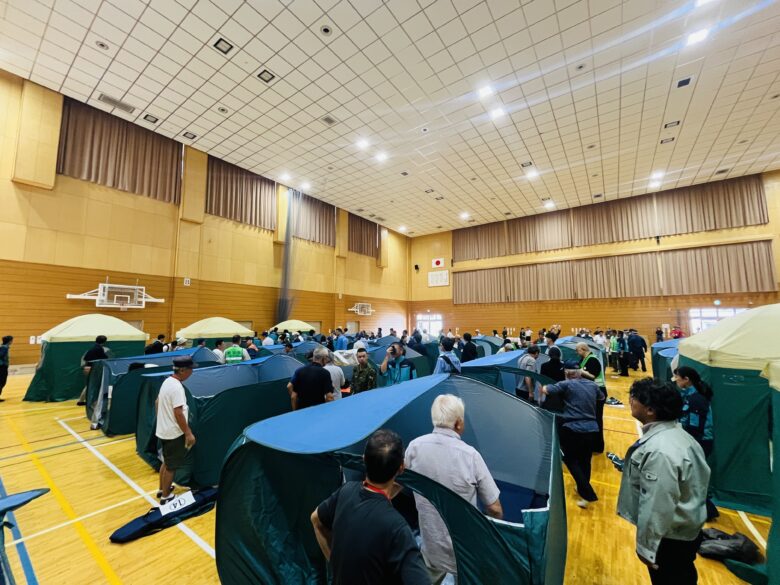
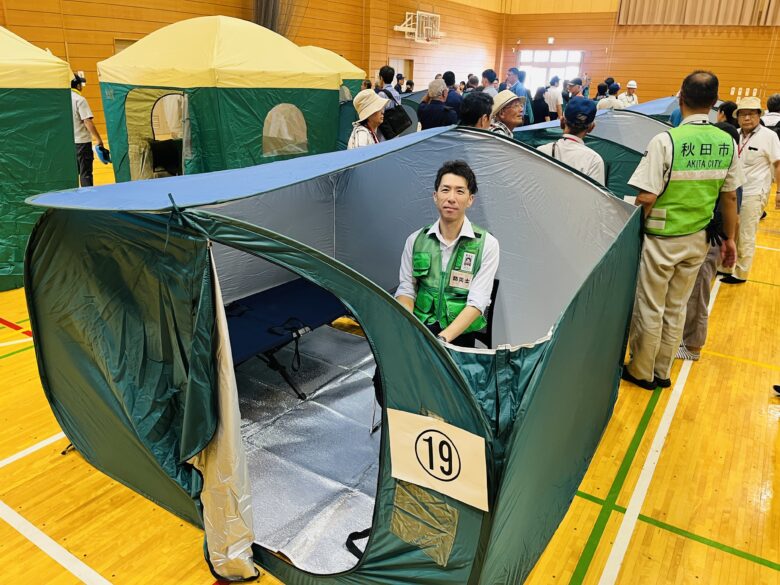
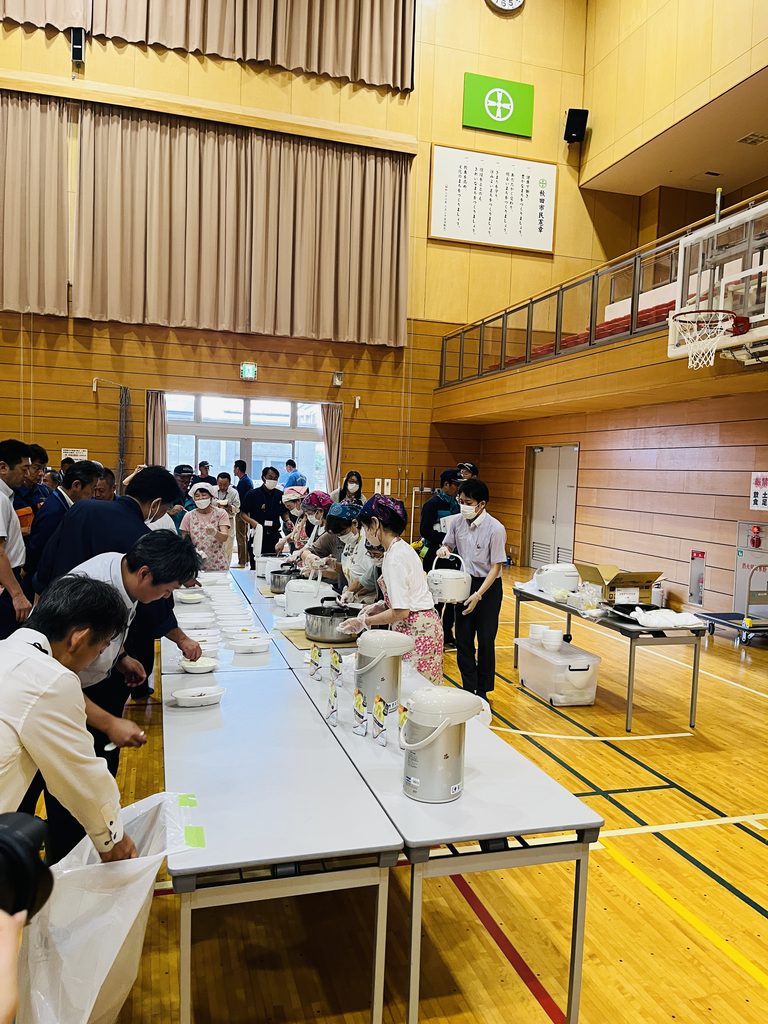
避難所では、
・停電や断水への対応
・避難スペースやベッド、パーティションの設置
・救援物資の搬送・受け入れ
・救護所の設置
・福祉避難室の運営
・炊き出し
など、実際の避難生活を想定した訓練も行われました。
災害が起きると、「消防や行政が助けてくれる」と考えがちです。しかし、被害が大きくなればなるほど、行政だけですべてに対応することはできません。だからこそ、今回のように行政、専門機関、企業、地域が一緒に動く訓練には大きな意味があります。
新しい仕組みは「情報」に強い
今回、新たに取り入れられていたのが、LINE WORKSによる映像情報の収集や、災マップによる避難所情報の集約・活用です。さらに、民間ドローンとの協同による孤立集落への対応も予定されています。災害時には「どこで、何が起きているのか」を一刻も早く把握することが重要です。
例えば、道路が通れない場所に救援物資を届けようとしても、その情報が正確に共有されていなければ、現場にたどり着くことさえできません。情報を集め、共有し、判断する。昔ながらの防災に加えて、こうしたデジタル技術を組み合わせていくことも、これからの災害対応には欠かせないと感じました。
防災士なのに、何もできないのか?
私は防災士の資格を持っています。また、防災士の資格を持つ市議会議員でグループをつくり、日頃から情報交換もしています。それでも今回、訓練を見ながらふと思いました。
「本当に災害が起きたとき、自分は何ができるのだろうか?」
防災士の役割は、災害が起きる前から防災意識を高め、地域の備えを進めることが大きな柱です。実際に大規模災害が起きた瞬間、消防や救急のように専門的な救助活動ができるわけではありません。少し弱気な話ですが、これは大切な気づきだと思っています。だからこそ、正しい防災知識を学び続ける。そして、地域で顔の見える関係をつくっておく。
「何か起きたら誰かが助けてくれる」ではなく、「自分にもできることがある」と思える市民を一人でも増やすことが、地域の防災力を高めるのだと思います。今回の訓練を参観して、災害への備えは特別な人だけの仕事ではないと改めて感じました。秋田市を災害に強いまちにするために、行政の取り組みをしっかりチェックすると同時に、私自身も防災について学び続けたいと思います。
まずは、ご家庭の備蓄や避難場所の確認から。そのうちではなく、今日できることを一つ。それが、いざという時の自分と大切な人を守る力になります。
【English】August 25, 2026 — Observing the Akita City Comprehensive Disaster Drill
“What could I do if a major earthquake happened right here, right now?” That was the question I had in mind as I watched the disaster drill. On August 25, 2026, I observed the Akita City Comprehensive Disaster Drill. The drill assumed that a magnitude 7-class earthquake had struck at 3:45 a.m. Many organizations took part, including the city government, fire departments, the prefecture, the Self-Defense Forces, DMAT medical teams, construction companies, private businesses, neighborhood associations, and local disaster-prevention groups. With earthquakes and heavy-rain disasters happening in many parts of Japan, the words “we never know when a disaster will happen” feel more real than ever. From watching drills to actually being ready to act. One thing that stood out was the serious atmosphere. At City Hall, a disaster response headquarters was set up to collect information and decide what to do. At the disaster sites, drones and small vehicles were used to gather information, rescue people from collapsed buildings and vehicles, and clear roads with heavy machinery. At evacuation shelters, participants practiced dealing with power and water outages, setting up beds and partitions, receiving relief supplies, providing first aid, operating welfare spaces, and preparing meals. When a disaster happens, we often think, “The government and firefighters will help us.” But when the damage is widespread, public agencies alone cannot do everything. That is why joint training involving government, specialists, businesses, and local communities is so important. New technology can make disaster information faster and clearer. This year, the drill included collecting video information through LINE WORKS and sharing evacuation-shelter information through a disaster-prevention mapping system. The city also plans to work with private drone operators to help isolated communities. In a disaster, knowing quickly “where something has happened and what is happening” can save lives. For example, even if relief supplies are ready, they cannot reach people if accurate information about blocked roads is not shared. Collecting information, sharing it, and making decisions based on it are now essential parts of disaster response. Even as a disaster-prevention specialist, what can I really do? I am certified as a disaster-prevention specialist, and I also exchange information with other city council members who have the same qualification. Still, while watching the drill, I asked myself, “If a major disaster really happened, what could I actually do?” Disaster-prevention specialists play an important role before disasters happen by helping people learn about risks and prepare their communities. But when a major disaster strikes, we cannot perform the same specialized rescue work as firefighters or emergency medical teams. I think recognizing our limits is also an important part of preparedness. That is why I want to keep learning, build relationships with people in my community, and make sure that people know they can help in their own way. A disaster-resilient community is not one where everyone waits for someone else to help. It is a community where more people think, “There is something I can do.” This drill reminded me that disaster preparedness is not only the job of government or specialists. As a city council member, I will continue to closely monitor the city’s disaster-prevention efforts while also continuing to learn and prepare myself. Please start with something simple: check the emergency supplies at home and confirm your nearest evacuation shelter. Don’t wait for someday. Do one thing today. That small step can help protect you and the people who matter to you when a disaster strikes.
【Español】25 de agosto de 2026 — Participación como observador en el Simulacro Integral de Emergencias de la Ciudad de Akita
«¿Qué podría hacer yo si ocurriera un gran terremoto aquí mismo, ahora?» Esa fue la pregunta que tuve presente mientras observaba el simulacro. El 25 de agosto de 2026 participé como observador en el Simulacro Integral de Emergencias de la Ciudad de Akita. El ejercicio suponía un terremoto de magnitud 7 o superior ocurrido a las 3:45 de la madrugada. Participaron muchas organizaciones, entre ellas la municipalidad, los bomberos, la prefectura, las Fuerzas de Autodefensa, equipos médicos de emergencia, empresas de construcción, empresas privadas, asociaciones de vecinos y organizaciones locales de prevención de desastres. En un país donde los terremotos y las lluvias intensas pueden ocurrir en cualquier momento, la frase «nunca sabemos cuándo ocurrirá un desastre» se siente cada vez más real. De observar un simulacro a estar preparados para actuar. Algo que me llamó especialmente la atención fue el nivel de seriedad del ejercicio. En la municipalidad se estableció un centro de respuesta ante desastres para reunir información y decidir qué acciones tomar. En las zonas de emergencia se utilizaron drones y vehículos pequeños para obtener información, rescatar personas de edificios y vehículos y despejar las vías con maquinaria pesada. En los refugios se practicó cómo responder ante cortes de electricidad y agua, instalar camas y divisiones, recibir suministros de emergencia, brindar primeros auxilios, atender a personas que necesitan apoyo especial y preparar alimentos. Cuando ocurre un desastre, solemos pensar: «El gobierno y los bomberos nos ayudarán». Sin embargo, cuando los daños son muy grandes, las instituciones públicas por sí solas no pueden atenderlo todo. Por eso es tan importante entrenar juntos: gobierno, especialistas, empresas y comunidades. La tecnología también puede ayudar a responder mejor. En este simulacro se utilizaron LINE WORKS para recopilar videos e información, y un sistema de mapas para reunir y compartir información sobre los refugios. También está previsto trabajar con operadores privados de drones para atender comunidades que puedan quedar aisladas. Durante una emergencia, saber rápidamente «dónde ocurrió algo y qué está pasando» puede salvar vidas. Aunque tengamos suministros listos, por ejemplo, no podremos entregarlos si no sabemos cuáles carreteras están bloqueadas. Recopilar información, compartirla y tomar decisiones con base en ella son elementos cada vez más importantes de la respuesta ante desastres. Aunque tengo una certificación en prevención de desastres, ¿qué podría hacer realmente? Tengo una certificación como especialista en prevención de desastres y también intercambio información con otros miembros del concejo municipal que cuentan con la misma certificación. Aun así, mientras observaba el simulacro, me pregunté: «Si ocurriera un desastre realmente grande, ¿qué podría hacer yo?» Una parte importante del trabajo de quienes tenemos conocimientos en prevención de desastres es ayudar a las personas a conocer los riesgos y prepararse antes de que ocurra una emergencia. Pero cuando sucede un gran desastre, no podemos realizar el mismo trabajo especializado de rescate que los bomberos o los equipos médicos de emergencia. Reconocer nuestros límites también es parte de estar preparados. Por eso quiero seguir aprendiendo, fortalecer las relaciones con las personas de la comunidad y ayudar a que cada persona sepa que puede hacer algo. Una comunidad preparada para los desastres no es una comunidad donde todos esperan que alguien más los ayude. Es una comunidad donde cada vez más personas pueden decir: «Yo también puedo hacer algo». Este simulacro me recordó que la prevención de desastres no es solamente responsabilidad del gobierno o de los especialistas. Como miembro del Concejo Municipal, seguiré revisando de cerca las acciones de la ciudad para mejorar la prevención y, al mismo tiempo, continuaré aprendiendo y preparándome. Empiece por algo sencillo: revise las reservas de emergencia que tiene en casa y confirme cuál es el refugio más cercano. No espere a algún día. Haga hoy una cosa. Ese pequeño paso puede ayudar a protegerle a usted y a las personas que son importantes para usted cuando ocurra una emergencia.