
「会議で、結局いつも同じ人ばかりが話している」
「いい意見は出るのに、なかなか結論につながらない」
そんな経験はありませんか?
私がこれまでの人生で学んできたことで、「これは本当に役に立っている」と迷わず言えるものがあります。それが、ファシリテーションです。これは、人の話を上手に聞く技術くらいに思われることもありますが、私にとっては、もっと深いものです。人と人の間にある意見の違いを生かしながら、一緒に答えをつくっていくための技術だと思っています。
「話し合い」を「みんなで考える時間」に変える
私がファシリテーションを学び始めたのは、JICA(国際協力機構)で仕事をしていた頃です。当時の課長から、ファシリテーションとPCM(プロジェクト・サイクル・マネージメント)を積極的に学ぶよう勧められました。さまざまなワークショップに参加し、実際にファシリテーターを務め、失敗し、工夫する。その繰り返しで少しずつ身につけてきました。その経験が、思いがけず人生の扉を開いてくれました。
秋田市役所が初めて実施した住民参加型の意見集約ワークショップでファシリテーターを務め、その経験をきっかけに、念願だったJICAの長期海外専門家として5年間のプロジェクトに携わることができました。振り返れば、今の自分につながる大きな土台だったと思います。
「井戸端会議こそ、究極のファシリテーション」
ファシリテーションを学び始めた頃、日本ファシリテーション協会の理事の方と話す機会がありました。私は当時、若さゆえに、
「仕事で必要な人が学ぶのは分かります。でも、これを世の中に広く普及させる意味が、いまひとつ分かりません」と率直に尋ねました。すると、その方が話してくれた言葉が、今でも忘れられません。
「私が考えるファシリテーションの理想は、井戸端会議をしている主婦くらいの、ごく普通の人たちが、会話の中に出てきた多様な意見を整理し、みんなで共有できる社会です」
なるほど、と思いました。ファシリテーションは、会議室の中だけの特殊な技術ではないのです。家族の話し合いでも、町内会でも、地域活動でも、そして議会でも使える。むしろ、いろいろな人が意見を出し合い、「違う意見があるからこそ面白い」と思える社会をつくるための技術なのだと思います。
議会も「先生と生徒」から「みんなで考える場」へ
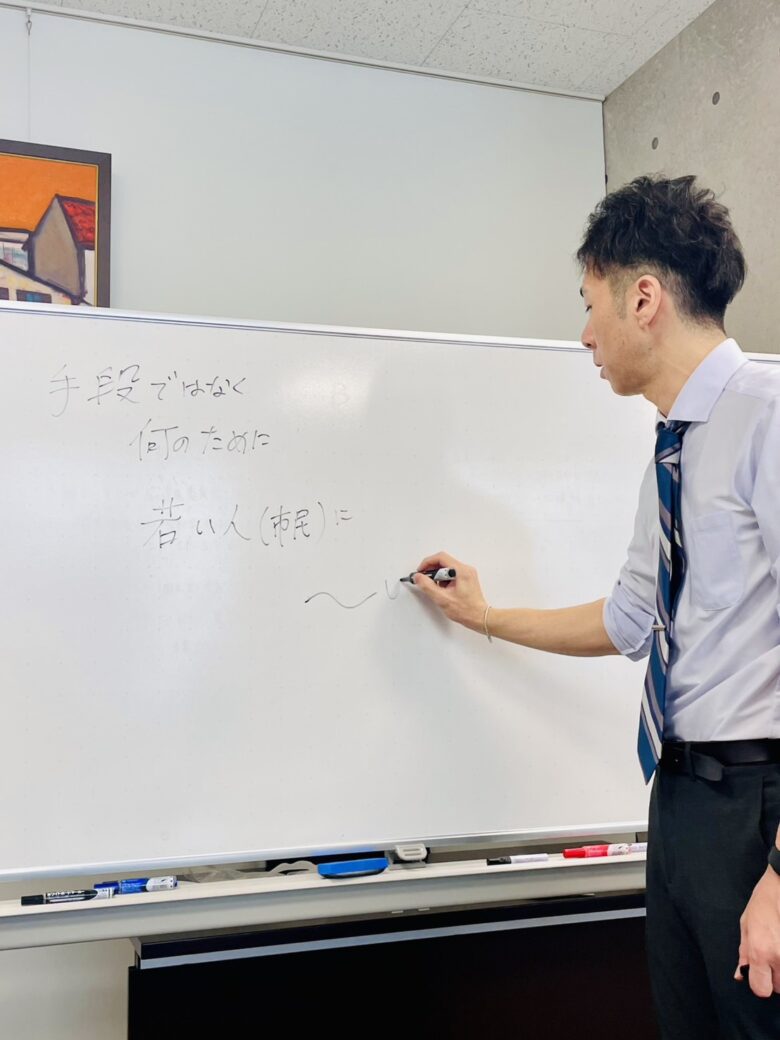
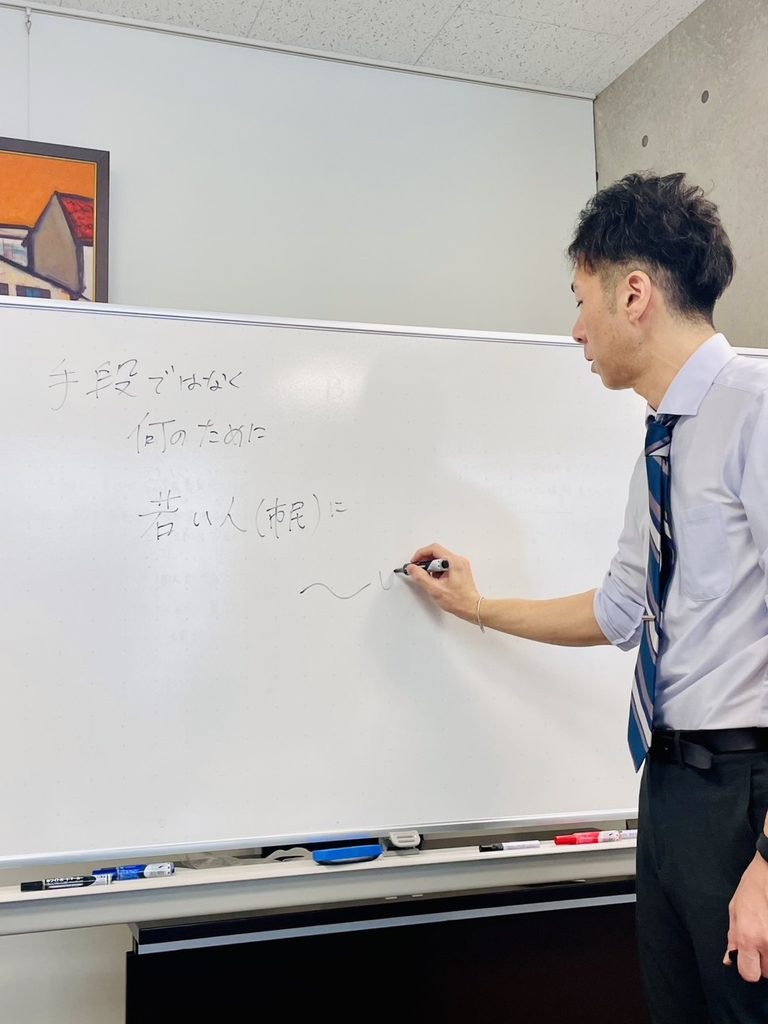
現在、秋田市議会には「議会活性化検討委員会」があります。議会をもっと活性化するために、議員からテーマを出し、任期中に議員同士で検討していく組織です。私はその中の二つの委員会に所属していますが、今回「若年層への西部地区(市政報告会)の開催について」をさらに検討するためのスピンオフ委員会ができ、座長を務めることになりました。そこで、ちょっと試してみました。
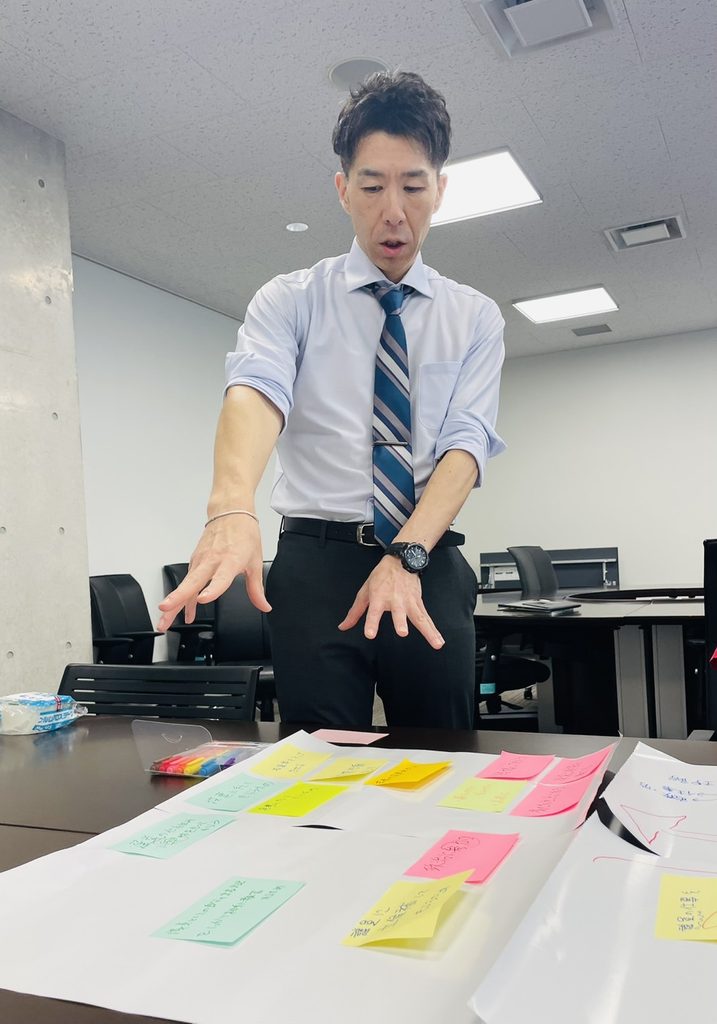
これまでの委員会は、座長が前に立ち、委員が順番に意見を述べる、いわば「先生と生徒」のようなスタイル。今回は、机を囲み、全員が向かい合って自由に意見を出すワークショップ形式にしました。初めてのスタイルということで、最初は少し戸惑う場面もありました。でも、時間が経つにつれて、議員同士の自由なやり取りが増えていきました。
「それなら、こういう方法もあるのでは?」
「若い人だったら、こう感じるかもしれない」
「私はこう思うんだよね」
そんな言葉が自然にぽんぽんと出てくる。座長が答えを示すのではなく、みんなで答えを探し始め、私としてはとても楽しかったです。
「秋田市の未来」を、みんなでつくるために
もちろん、ワークショップ形式にすれば、すべてがうまくいくわけではありません。大切なのは手法そのものではなく、「誰かが答えを持っている」のではなく、「みんなの中に答えの材料がある」と信じることだと思います。秋田市にも、年齢も経験も立場も違う、たくさんの人がいます。その一人ひとりの経験やアイデアを、うまくつなぎ合わせることができれば、今まで見えていなかった秋田市の可能性が見えてくるはずです。
今回をスタートに、これからも議会の中で少しずつやり方を変え、試し、時には失敗もしながら、「みんなで考える議会」を実践していきたいと思います。秋田市をもっと良くするヒントは、特別な誰かの頭の中だけにあるのではありません。あなたの何気ない一言にも、地域を変えるヒントがある。だからこそ、ぜひ「こんな秋田市になったらいいな」を、身近な人と話してみてください。その井戸端会議から、秋田の未来が始まるかもしれません。
【English】August 10, 2026 — The Power of Workshop Facilitation: A Way to Think Together
Have you ever been in a meeting where the same people always do the talking? Or where good ideas come up, but the group never reaches a decision? One thing I have learned in my life that I can confidently say is truly useful is facilitation. It is not simply about being a good listener. It is a way of bringing different opinions together and helping people find answers as a group.
Turning a discussion into a time for everyone to think together I first learned about facilitation when I worked for JICA, the Japan International Cooperation Agency. My manager encouraged me to study facilitation and PCM, or Project Cycle Management. I joined workshops, worked as a facilitator, made mistakes, and tried different approaches. Those experiences became an important foundation for what I do today. Later, I worked as a facilitator at Akita City Hall’s first workshop designed to gather ideas directly from residents. That experience eventually led to a five-year overseas project as a long-term JICA expert, something I had hoped to do for many years.
“The best facilitation may be an ordinary neighborhood conversation.” When I was still learning, I once spoke with a board member of the Japan Facilitation Association. I asked, “I understand why people need facilitation for their work, but why is it important to spread it throughout society?” The answer stayed with me: “Ideally, even ordinary people in everyday conversations could bring together different opinions and share them with others.” I realized that facilitation is not a special skill for meeting rooms. It can be used at home, in neighborhood groups, community activities, and even in local government. Different opinions are not a problem. They are what make it possible for us to find better ideas together.
From “teacher and students” to “a place where everyone thinks together” Akita City Council has a committee that looks at ways to make the council more active and open. I recently became the chair of a small working group looking at how to hold a city report meeting for younger people in the western area of Akita. Instead of the usual style, where the chair stands in front and members speak one by one, we tried a workshop style. At first, everyone was a little unsure. But soon, comments came naturally: “What about trying this?” “Young people might see it this way.” The chair was not giving the answers. We were looking for them together. I found the experience both useful and enjoyable.
Building the future of Akita together Of course, simply using a workshop format does not solve every problem. What matters most is believing that no single person has all the answers, but that everyone has part of the answer. Akita is home to people of different ages, experiences, and backgrounds. If we can connect their ideas and experiences, we may discover possibilities we have not seen before. I want to keep trying new ways of working in the council and build a council where people can think together. The ideas that can make Akita better do not belong only to experts or leaders. Even your everyday comments may contain an idea that can change your community. So, please talk with someone close to you about the kind of Akita you would like to see. The future of Akita may begin with an ordinary conversation.
【Español】10 de agosto de 2026 — El poder de la facilitación: una forma de pensar juntos
¿Le ha pasado que, en una reunión, siempre hablan las mismas personas? ¿O que aparecen buenas ideas, pero nunca se llega a una decisión? Hay algo que he aprendido a lo largo de mi vida y que puedo decir, sin dudarlo, que realmente me ha servido: la facilitación. No se trata solamente de saber escuchar. Es una forma de aprovechar las diferentes opiniones y ayudar a que las personas encuentren soluciones juntas.
Convertir una conversación en un espacio para pensar juntos Comencé a estudiar facilitación cuando trabajaba en JICA, la Agencia de Cooperación Internacional del Japón. Mi jefe me recomendó estudiar facilitación y PCM, o Gestión del Ciclo de Proyectos. Participé en talleres, fui facilitador, cometí errores y probé diferentes maneras de trabajar. Todo eso se convirtió en una base importante para mi vida profesional. Más adelante, fui facilitador en el primer taller participativo organizado por la Municipalidad de Akita para recoger las opiniones de los ciudadanos. Esa experiencia también me abrió la puerta a trabajar durante cinco años como experto de largo plazo de JICA en un proyecto en el extranjero, una meta que había tenido durante mucho tiempo.
“Una conversación cotidiana puede ser la mejor forma de facilitación” Cuando comenzaba a estudiar este tema, tuve la oportunidad de conversar con un miembro de la directiva de la Asociación Japonesa de Facilitación. Le pregunté: “Entiendo por qué algunas personas necesitan aprender facilitación para su trabajo, pero ¿por qué sería importante llevarla a toda la sociedad?”. Su respuesta todavía la recuerdo: “La sociedad ideal sería aquella en la que personas comunes, en sus conversaciones cotidianas, puedan ordenar las diferentes opiniones que aparecen y compartirlas con los demás”. Entonces lo entendí. La facilitación no es una técnica especial para las salas de reuniones. También puede utilizarse en la familia, en las asociaciones comunales, en las actividades del barrio y en el gobierno local. Las opiniones diferentes no son un problema; pueden ser el punto de partida para encontrar mejores respuestas juntos.
De “profesor y estudiantes” a “un espacio para pensar juntos” Actualmente, el Concejo Municipal de Akita cuenta con una comisión que estudia cómo mejorar y hacer más activo el trabajo del Concejo. Recientemente asumí la coordinación de un pequeño grupo de trabajo que analiza cómo organizar reuniones informativas sobre la gestión municipal dirigidas a personas jóvenes en la zona oeste de Akita. En lugar del formato tradicional, donde quien preside está al frente y los demás hablan uno por uno, probamos un formato de taller. Al principio hubo un poco de confusión, pero poco a poco comenzaron a surgir ideas de manera natural: “¿Y si hacemos esto?”, “Tal vez una persona joven lo vería de esta manera”. No se trataba de que quien dirige tuviera todas las respuestas. Las estábamos buscando entre todos. Para mí fue una experiencia muy interesante y agradable.
Construir juntos el futuro de Akita Por supuesto, utilizar un formato de taller no hace que todos los problemas se solucionen automáticamente. Lo más importante es creer que ninguna persona tiene todas las respuestas y que cada uno de nosotros tiene una parte de ellas. En Akita vivimos personas de diferentes edades, experiencias y posiciones. Si logramos conectar sus ideas y experiencias, podremos descubrir nuevas posibilidades para nuestra ciudad. Quiero seguir probando nuevas formas de trabajar en el Concejo y avanzar hacia un espacio donde podamos pensar juntos. Las ideas para mejorar Akita no pertenecen solamente a expertos o autoridades. Incluso una frase que usted diga en una conversación cotidiana puede contener una idea capaz de transformar la comunidad. Por eso, le invito a conversar con las personas cercanas sobre cómo le gustaría que fuera Akita. Tal vez el futuro de Akita comience con una conversación sencilla entre vecinos.