
子どもの教育について考えるとき、「学力を上げるには、何をすればいいのだろう?」と悩むことがあります。タブレットを配ればいいのか、宿題を増やせばいいのか、それとも塾に通わせればいいのか。今回、私たち会派「そうせいと維新」が視察した兵庫県小野市では、少し違う答えを聞くことができました。
それは、「特別なことをするより、基本を徹底して、長く続ける」という考え方です。小野市が進める「夢と希望の教育」。その現場には、秋田市の教育を考える上でも、いくつものヒントがありました。
「やればできる」を、仕組みにする
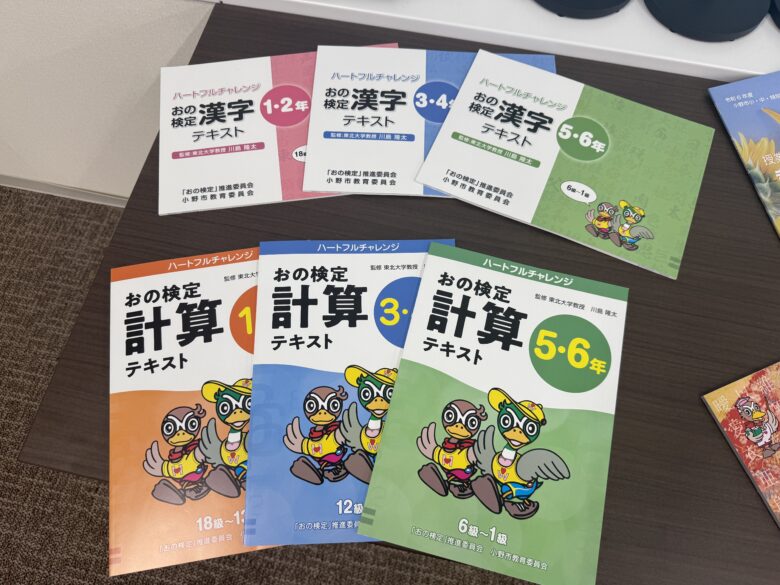
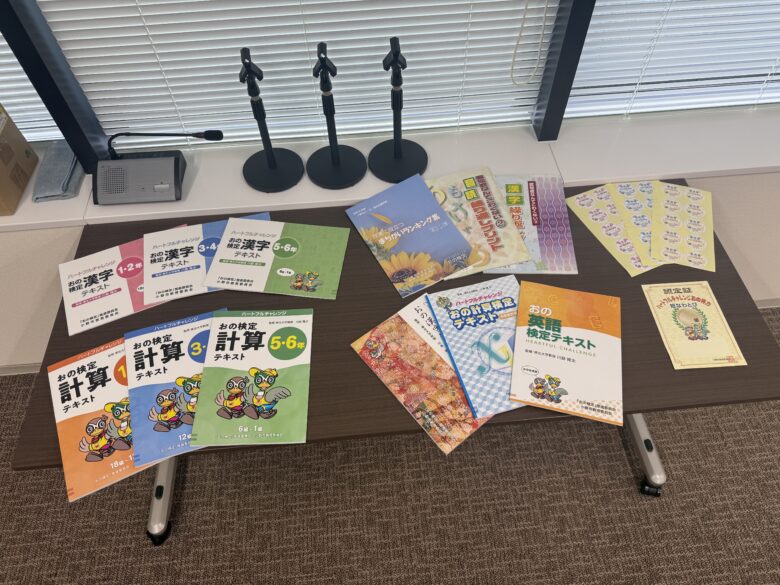
小野市で平成16年頃から取り組んでいるのが「おの検定」です。内容は、読み書き、計算、漢字、英語など。簡単な計算が心の安定につながるという川島隆太教授の脳科学に見地(川島理論)に基づき、検定を作っています。簡単な計算や音読時には、脳がより活性化していることがわかっており、前頭前野を活性化させて、学力だけでなく、我慢する力やコミュニケーション、頑張る力など心の部分の成長につなげます。一見すると、とてもシンプルですが、エビデンスがある、ということで教育実践に自信を持って推進しています。さらに、ここが小野市の面白いところなのですが、単に問題を解かせて終わりではありません。教育委員会が採点やデータ入力、認定証の発行まで行い、間違いの傾向も分析。その結果を学校や家庭での学習、再チャレンジにつなげています。そして、この取り組みの大きな目的の一つが「やればできる」というチャレンジ精神を育てること。勉強が苦手な子どもにとって、100点を取ることだけが成功ではありません。「前はできなかった。でも、今回はできた」この小さな成功体験を積み重ねることが、次の挑戦につながります。小野市では、こうした教育を脳科学の知見と結び付け、川島隆太教授を教育行政顧問に迎えて長年取り組んでいます。
教育は「学校だけ」じゃない
もう一つ印象に残ったのが、「16カ年教育」という考え方です。小学校6年間+中学校3年間の9年間だけを見るのではありません。胎児期から高校卒業までを見据えて、教育を考えています。例えば「未来のパパママ教室」では、妊娠・出産を迎える世代に対して、読み聞かせや親子のコミュニケーション、スマートフォンとの付き合い方などを伝えています。
「教育」というと、学校の教室を思い浮かべがちです。でも、子どもが一日の大半を過ごしているのは家庭です。だからこそ小野市では、
・睡眠
・食事
・朝食
・親子のコミュニケーション
・スマートフォンやゲームとの付き合い方
といった、ごく日常的なことを教育の土台として捉えています。
教育は、教室の中だけで完結しない。
この視点は、秋田市でも大切にしたいと感じました。便利な時代だからこそ「使い分ける」そして、今の時代だからこそ考えさせられたのが、デジタル機器との付き合い方です。
小野市では、タブレットやスマートフォンなどを「使いこなす」だけではなく、「使い分ける」ことを重視しています。例えば、調べ物をするときに、あえて辞書を使ってみる。便利なものを使わないことが目的ではありません。「どれだけ面倒なことに挑戦できるか」という経験も、子どもの成長には必要だという考え方です。これは、デジタル化を進める秋田市にとっても重要なテーマだと思います。便利だから全部デジタルにする。不便だから全部なくす。その二択ではなく、「これはデジタルに任せる。でも、これは人間がやる」という使い分けが必要なのではないでしょうか。
教育を変えるなら、教育委員会から
今回の視察で、もう一つ心に残ったのが、教育委員会自身が「自分たちも変わらなければならない」と考えていることです。小野市では、学校現場との関係を見直し、学校長の裁量権を広げています。さらに、1校あたり35万円の教育研究開発費を各学校に配分し、それぞれの学校が工夫して取り組める環境もつくっています。教育改革というと、どうしても「先生が何をするか」に目が向きます。
しかし、先生が力を発揮できる環境を、教育委員会や行政がどうつくるのか。ここにも改革の大きなポイントがあります。小野市の教育には、派手な「一発逆転」の施策があるわけではありません。
・基本を大切にする。
・家庭と学校をつなぐ。
・小さな成功体験を積み重ねる。
・現場の裁量を広げる。
・そして、それを10年、20年と続ける。
この「続ける力」こそが、小野市の教育の強さなのだと感じました。秋田市にも、長年積み重ねてきた教育の実践があります。
今回の視察で学んだことを持ち帰り、「秋田の子どもたちにとって、本当に必要な教育とは何か」を、議会の場でも引き続き考えていきたいと思います。教育は、今日明日の成果だけを見るものではありません。10年後、20年後の子どもたちが「このまちで育ってよかった」と思えるように。皆さんも、ぜひ身近なところから子どもたちの教育について考えてみてください。その一人ひとりの関心が、秋田の教育をより良くする力になります。

【English】July 28, 2026 — Akita City Council, “Sosei to Ishin” group, Inspection Trip (Day 4)
When we think about children’s education, we often ask: what actually helps kids learn better? More tablets? More homework? Cram school? On this trip, our group visited Ono City in Hyogo Prefecture, and they gave us a different answer: instead of chasing something flashy, just do the basics well and keep doing them for a long time. That’s the spirit behind Ono City’s “Education of Dreams and Hope,” and it offered several good ideas for how Akita thinks about education too.
Turning “I can do it if I try” into a system
Since around 2004, Ono City has run something called the “Ono Test,” covering reading, writing, math, kanji, and English. The tests are built on brain-science research by Professor Ryuta Kawashima, who found that simple calculation and reading aloud calm the mind and activate the brain’s prefrontal cortex—the part tied not just to academic skill, but to patience, communication, and the drive to keep trying. Because there’s real evidence behind it, Ono City can confidently push this approach in its classrooms. What makes it interesting, though, is that the city doesn’t just hand out worksheets and call it done: the board of education grades every test, tracks the data, analyzes common mistakes, and issues certificates, then feeds all of that back into learning at school and at home. The real goal isn’t a perfect score—it’s building the belief that “if I try, I can do it.” For a kid who struggles with schoolwork, going from “I couldn’t do this before” to “I can do it now” is a real win, and those small wins are what build the confidence to keep trying. Ono City has kept this up for years, working with Professor Kawashima himself as an education advisor.
Education isn’t just “school”
Another idea that stuck with me was “16-year education”—not just the 9 years of elementary and middle school, but everything from before birth through high school graduation. For example, their “Future Moms & Dads Class” teaches expecting parents about reading aloud to kids, communicating with children, and handling smartphones at home. We tend to picture “education” as a classroom, but kids spend most of their day at home. So Ono City treats everyday things—sleep, meals, breakfast, family conversation, and phone or game habits—as the real foundation of education. Education doesn’t happen only inside a classroom, and that’s a mindset I think Akita should hold onto too.
Use it wisely, not just use it
Because we live in such a convenient age, how we handle technology really matters. Ono City doesn’t just teach kids to “use” tablets and smartphones—it teaches them to “choose wisely” when to use them. For example, kids are sometimes asked to look something up in a paper dictionary instead of just Googling it. The point isn’t to avoid convenience for its own sake; it’s that struggling through something difficult is part of growing up. I think this matters for Akita too as we push forward with digitalization. It’s not a choice between “make everything digital because it’s convenient” or “get rid of digital because it’s inconvenient”—we need to decide, task by task, what to hand to a machine and what should stay human.
If education is going to change, it starts with the board of education
What stood out most on this trip was that the board of education itself believes it needs to change. Ono City has rethought its relationship with schools, giving principals more decision-making power, and gives every school about 350,000 yen a year for its own research and improvement projects. Education reform usually focuses on “what should teachers do?” But just as important is: how do the board of education and city government build an environment where teachers can actually do their best work? Ono City doesn’t have some dramatic, one-shot fix. It comes down to: do the basics well, connect home and school, stack up small wins, give schools more freedom on the ground—and keep it up for 10, 20 years. That staying power is really the strength of Ono City’s education.
Akita has its own long history of educational effort too. I want to bring what I learned here back to the council and keep asking: what do Akita’s children truly need? Education isn’t just about results today or tomorrow—it’s about kids, ten or twenty years from now, feeling glad they grew up in this city. I hope you’ll take a moment to think about children’s education in your own community too—that everyday interest from each of us is what makes Akita’s education better.
【Español】28 de julio de 2026 — Concejo Municipal de Akita, grupo “Sosei to Ishin”, Viaje de Inspección (Día 4)
Cuando pensamos en la educación de los niños, muchas veces nos preguntamos: ¿qué es lo que realmente ayuda a que aprendan mejor? ¿Más tabletas? ¿Más tareas? ¿Clases privadas? En este viaje visitamos la ciudad de Ono, en la prefectura de Hyogo, y ahí nos dieron una respuesta distinta: en lugar de buscar algo llamativo, hacer bien lo básico y sostenerlo por mucho tiempo. Ese es el espíritu detrás de la “Educación de Sueños y Esperanza” de Ono City, y nos dejó varias ideas útiles para pensar también la educación en Akita.
Convertir el “si lo intento, puedo lograrlo” en un sistema
Desde cerca del año 2004, Ono City tiene algo llamado “Prueba Ono”, que cubre lectura, escritura, matemáticas, kanji e inglés. Las pruebas se basan en investigaciones de neurociencia del profesor Ryuta Kawashima, quien descubrió que el cálculo simple y la lectura en voz alta calman la mente y activan la corteza prefrontal del cerebro, una zona relacionada no solo con el rendimiento académico, sino también con la paciencia, la comunicación y las ganas de seguir intentando. Como hay evidencia científica detrás, Ono City puede impulsar este enfoque en sus escuelas con confianza. Sin embargo, lo interesante es que la ciudad no se limita a repartir hojas de ejercicios y terminar ahí: la junta de educación corrige cada prueba, registra los datos, analiza los errores más comunes y entrega certificados, y usa toda esa información para reforzar el aprendizaje en la escuela y en casa. El objetivo real no es sacar una nota perfecta, sino construir la creencia de que “si lo intento, puedo lograrlo”. Para un niño al que le cuesta la escuela, pasar de “antes no podía hacer esto” a “ahora sí puedo” es una verdadera victoria, y esos pequeños logros son los que construyen la confianza para seguir intentando. Ono City ha mantenido esto por años, trabajando con el propio profesor Kawashima como asesor educativo.
La educación no es solo “la escuela”
Otra idea que me llamó la atención fue la “educación de 16 años”: no solo los 9 años de primaria y secundaria, sino todo el proceso desde antes de nacer hasta la graduación de secundaria. Por ejemplo, su “Clase para futuros papás y mamás” enseña a los padres primerizos sobre lectura en voz alta, comunicación con los hijos y el manejo de los celulares en casa. Solemos imaginar la “educación” como un salón de clases, pero los niños pasan la mayor parte del día en casa. Por eso, Ono City trata cosas cotidianas —el sueño, las comidas, el desayuno, la conversación familiar y el uso del celular o videojuegos— como la verdadera base de la educación. La educación no ocurre solo dentro del aula, y creo que esa idea también vale la pena mantenerla en Akita.
Usarlo con criterio, no solo usarlo
Como vivimos en una época tan cómoda, la forma en que manejamos la tecnología realmente importa. Ono City no solo enseña a los niños a “usar” tabletas y celulares, sino a “elegir con criterio” cuándo usarlos. Por ejemplo, a veces se pide a los niños que busquen algo en un diccionario de papel en lugar de buscarlo en internet. No se trata de evitar la comodidad por evitarla, sino de que enfrentar algo difícil es parte de crecer. Creo que esto también es importante para Akita mientras avanzamos con la digitalización. No es elegir entre “todo digital porque es cómodo” o “nada digital porque es incómodo”; hay que decidir, tarea por tarea, qué dejarle a la máquina y qué debe seguir siendo humano.
Si la educación va a cambiar, debe empezar por la junta de educación
Lo que más me marcó de este viaje fue que la propia junta de educación cree que necesita cambiar. Ono City ha replanteado su relación con las escuelas, dándoles más autonomía a los directores, y asigna a cada escuela cerca de 350,000 yenes al año para sus propios proyectos de investigación y mejora. Cuando hablamos de reforma educativa, solemos enfocarnos en “qué deben hacer los maestros”. Pero es igual de importante preguntarse: ¿cómo construyen la junta de educación y el gobierno municipal un entorno donde los maestros realmente puedan dar lo mejor de sí? Ono City no tiene una solución mágica ni dramática. Se trata de hacer bien lo básico, conectar el hogar con la escuela, acumular pequeños logros, dar más libertad a cada escuela, y sostener todo esto por 10, 20 años. Esa constancia es, en realidad, la fuerza de la educación en Ono City.
Akita también tiene su propia historia de esfuerzo educativo. Quiero traer lo que aprendí aquí de vuelta al concejo y seguir preguntándome: ¿qué es lo que realmente necesitan los niños de Akita? La educación no se trata solo de resultados de hoy o de mañana, sino de que, dentro de diez o veinte años, los niños sientan que fue bueno crecer en esta ciudad. Los invito a que también piensen en la educación de los niños en su propia comunidad; ese interés cotidiano de cada uno de nosotros es lo que hace que la educación de Akita mejore.