
「行政視察」と聞くと、少し堅苦しい印象があるかもしれません。
しかし、実際に他のまちを歩いてみると、「これ、秋田市でもできないだろうか?」と、意外な発見が次々とあります。7月27日、私が所属する秋田市議会議員会派「そうせいと維新」で、佐賀県武雄市と福岡県北九州市を訪れました。
今回のテーマは、図書館、中心市街地、そして子どもの居場所。一見するとバラバラに見えますが、実は共通するキーワードがありました。それは、「人がわざわざ行きたくなる場所を、どうつくるか」です。
図書館なのに、図書館だけじゃない
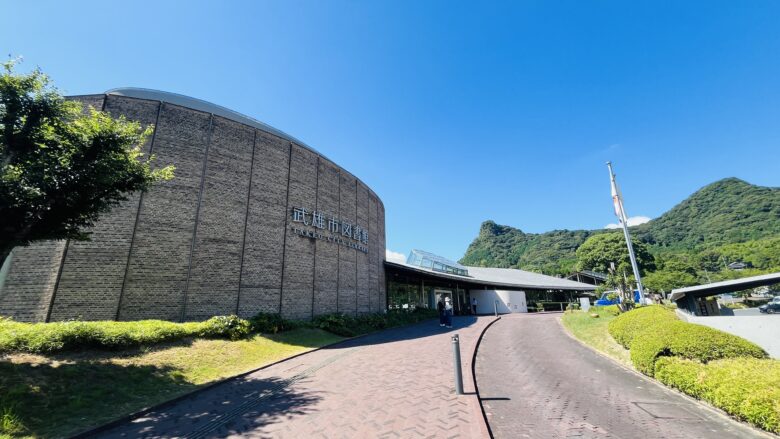
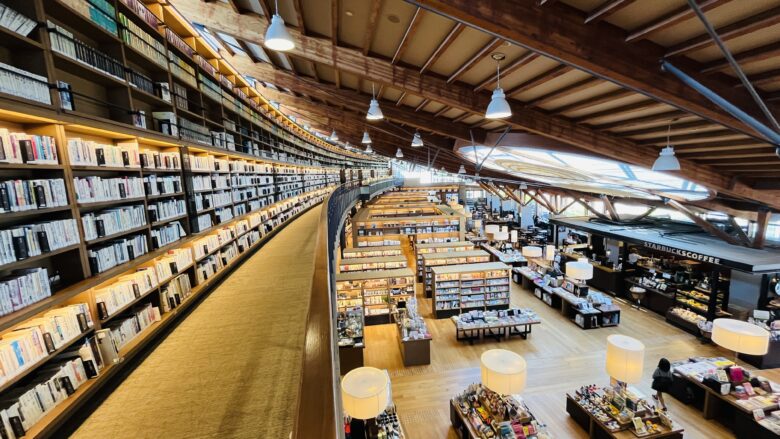
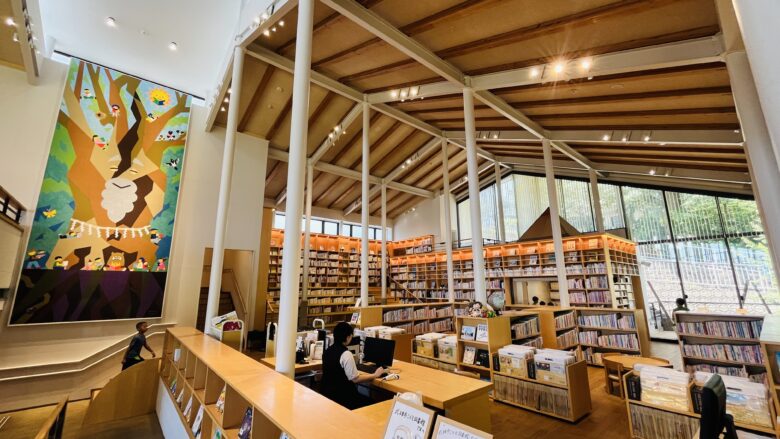
最初に訪れたのは、全国的にも有名な武雄市図書館と武雄市こども図書館です。武雄市図書館は、カルチュア・コンビニエンス・クラブ(CCC)が指定管理者として運営しています。館内にはカフェがあり、本だけでなく文房具や雑貨なども並びます。午前9時から午後9時まで、年中無休。「今日は本を借りに来た」という人だけでなく、「ちょっとコーヒーを飲みながら本を読もう」「待ち合わせまで少し時間があるから寄ってみよう」という使い方もできます。つまり、図書館を「本を借りる場所」から「人が滞在する文化空間」へ広げているわけです。ただし、ここで忘れてはいけないのが公共性です。武雄市図書館は、指定管理者制度の導入当初、蔵書の選定や個人情報の取扱いなどをめぐって批判を受けた経緯もあります。便利で魅力的な図書館にすることと、公共図書館としての中立性や公平性を守ること。この両方をどう両立するのか。これは秋田市にとっても重要な視点だと感じました。
「子どもが本を読む場所」から「子どもが育つ場所」へ
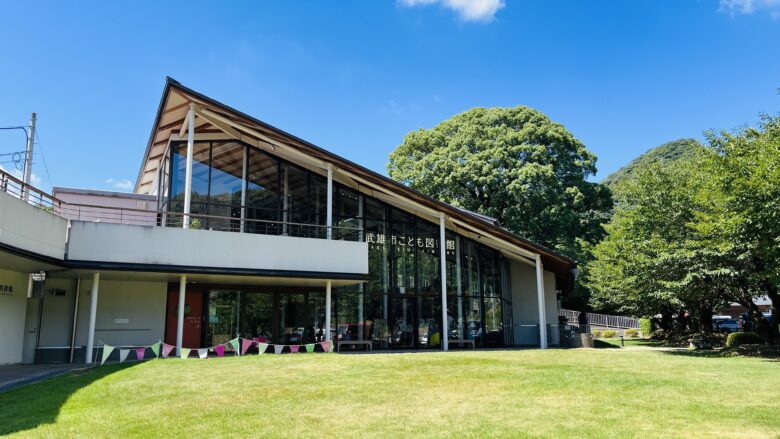
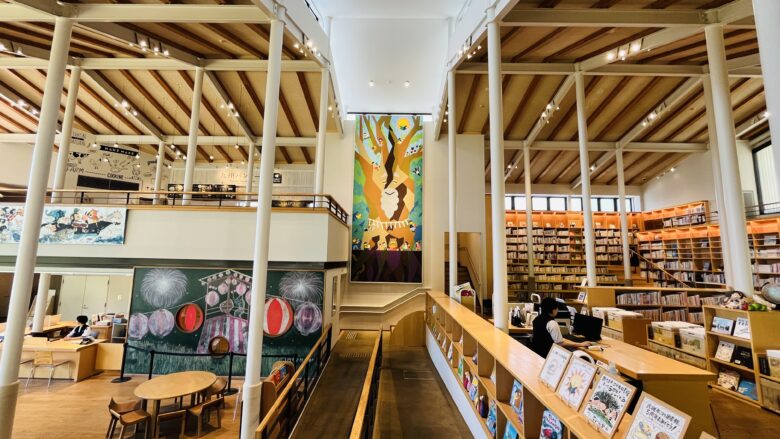
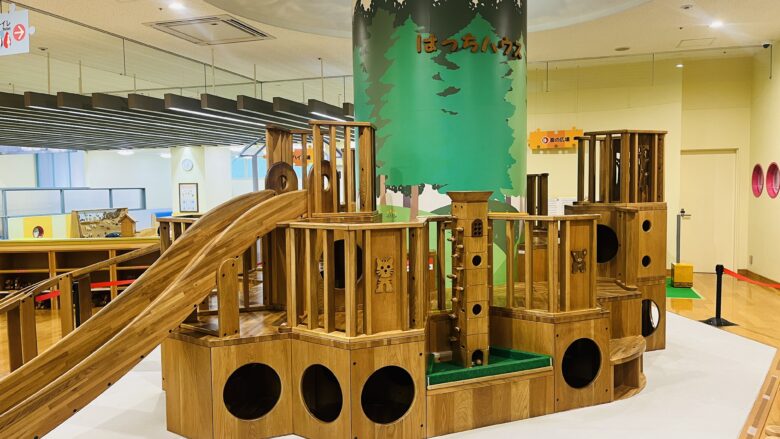
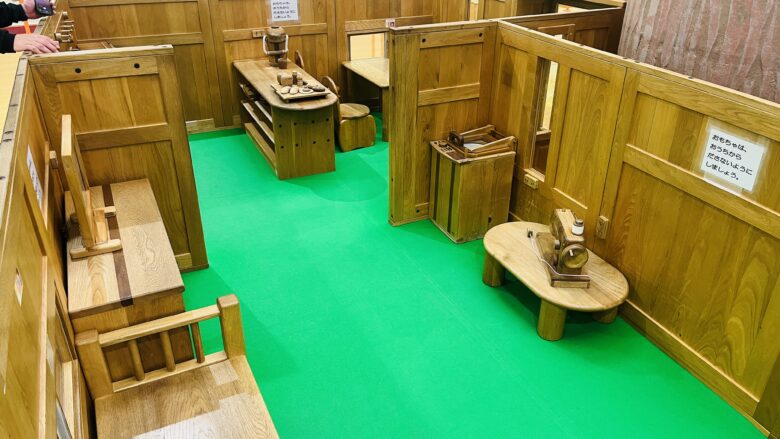
個人的に特に注目していたのが、武雄市こども図書館です。子どもの目線に合わせた書架、「ひみつのへや」など、思わず探検したくなるような仕掛けがあります。本を「読まなければならないもの」にするのではなく、「なんだか面白そう」と思わせる。この違いは大きいと思います。木のぬくもりを感じる建物や芝生広場もあり、読書だけでなく、遊ぶ、学ぶ、過ごすことができる空間になっています。カフェやパンケーキ店もあり、親子で長く滞在できます。
秋田市では、冬になると雪が積もり、雨の日も含めて、子どもが屋外で思い切り遊べない日が少なくありません。だからこそ、「子どものための屋内の居場所」をどう確保するかは重要な課題です。新しい大型施設を建てることだけが答えではありません。既存の図書館の一部を工夫して、子どもが「行ってみたい」と思える場所に変える方法もある。そんな可能性を感じました。
空きビルは「負の遺産」なのか?
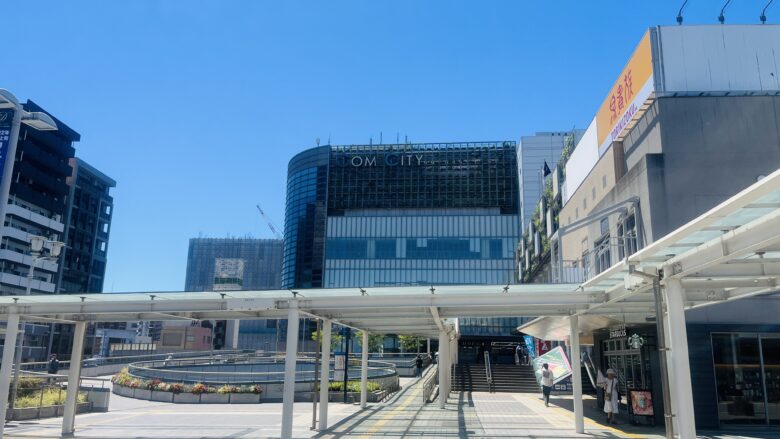
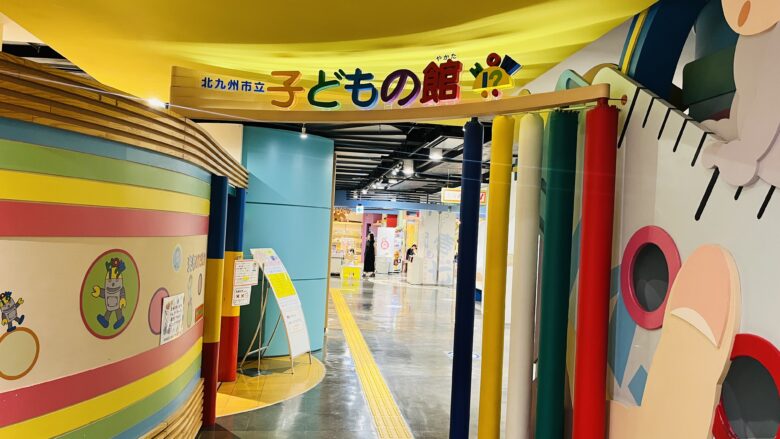
午後は北九州市の黒崎駅前にあるコムシティへ。ここは、もともと民間の大規模商業施設でしたが、経営破綻。その後、北九州市が建物を取得し、八幡西区役所や子どもの館、国際交流協会など、さまざまな公共・公益施設を集めた複合施設として再生しています。
この事例で考えさせられたのは、「商業施設が駄目になったら、商業施設として復活させる」という発想だけではないことです。駅前という立地を生かし、行政サービスや子育て支援などを集めることで、別の形で「人が集まる場所」に変える。もちろん、公共施設を集めただけで、まち全体が活性化するわけではありません。周辺の商店街や民間施設との回遊をどう生み出すのかという課題もあります。黒崎駅前には、今も旧黒崎そごうの空きビルが残っています。一つの建物を再生すれば終わりではない。駅、公共施設、商店街、民間施設、空きビルをどうつなぎ直すのか。これは、人口減少が進む秋田市にとっても決して他人事ではありません。
最後に見たのは、「日常の居場所」
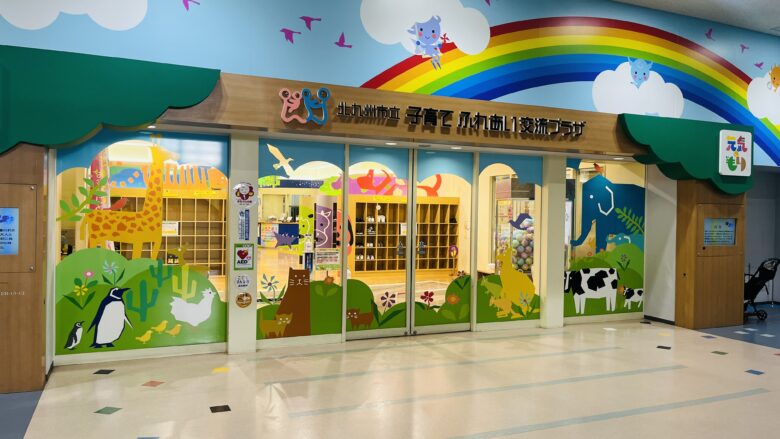
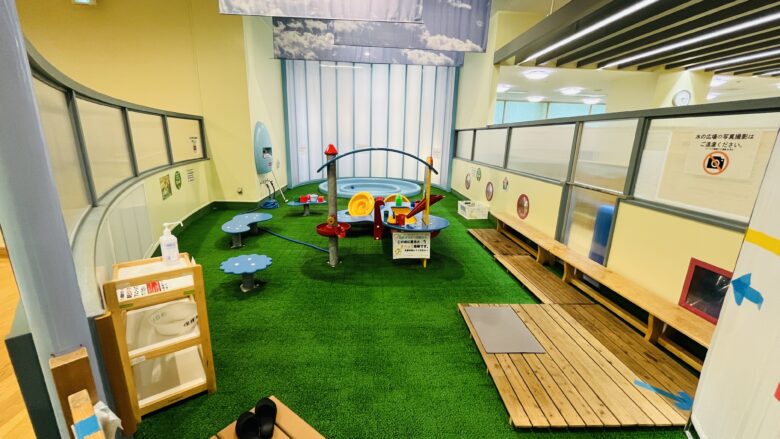
視察の最後に訪れたのは、北九州市立子育てふれあい交流プラザ「元気の森」。入館は無料。プレイゾーンも子ども100円、大人200円という低料金です。広い屋内空間で、天候を気にせず子どもが身体を動かして遊べます。そして大切なのは、子どもだけでなく、保護者もゆったり過ごせること。「特別な日に行く施設」ではなく、「雨だから行こう」「ちょっと時間があるから寄ろう」という日常の居場所になっていました。秋田の冬を考えれば、こうした場所の意味は決して小さくありません。
今回の視察を通して、私が改めて感じたのは、公共施設は「建物をつくること」が目的ではないということです。そこで人が何をするのか。誰が訪れるのか。何度も訪れたくなるのか。そして、その場所がまちにどんな人の流れを生み出すのか。ここまで考えて初めて、「まちづくり」になるのだと思います。秋田市でも、人口減少や公共施設の老朽化、中心市街地の活性化、子どもの居場所づくりなど、さまざまな課題があります。今回見た他都市の「答え」を、そのまま秋田市に持ってくることはできません。だからこそ、良いところを学び、秋田市の地域性に合わせて考え直す。それが議員としての行政視察の役割だと思っています。皆さんも、街を歩くときに「この場所、もっと人が集まる場所にできないかな?」と少しだけ目線を変えてみてください。まちづくりは、行政だけがするものではありません。一人ひとりの「こうなったらいいな」という気づきから始まります。私も今回の視察で得たヒントを、秋田市のこれからの政策にしっかりつなげていきます。
【English】260727 — Akita City Council Group “Sosei to Ishin”: Study Tour Day 2 — Libraries, Station Buildings, and Children’s Play Spaces: Thinking About the Future of Our City
When we hear “administrative study tour,” it may sound a little formal. But when you actually visit other cities, you often find yourself thinking, “Could we do something like this in Akita?” On July 27, our Akita City Council group, “Sosei to Ishin,” visited Takeo City in Saga Prefecture and Kitakyushu City in Fukuoka Prefecture. Our main themes were libraries, city-center development, and places for children. They may seem unrelated, but they all shared one important question: How can we create places that people actually want to visit?
A library that is more than a library
Our first stop was the well-known Takeo City Library and Takeo City Children’s Library. The Takeo City Library is operated by Culture Convenience Club (CCC) under a designated management system. It has a café, as well as books, stationery, and other goods, and is open every day from 9 a.m. to 9 p.m. People can visit not only to borrow books, but also to have coffee and read, or simply stop by while waiting for someone. In this way, the library has become more than a place to borrow books; it is a cultural space where people can spend time. At the same time, public libraries must remain fair and neutral. When the designated management system was introduced, the library faced criticism over issues such as book selection and the handling of personal information. This reminded me that making a library attractive and convenient must go hand in hand with protecting its public role.
From a place where children read to a place where children grow
I was especially interested in the Takeo City Children’s Library. The bookshelves are designed for children, and there are spaces such as a “secret room” that make them want to explore. Instead of making children think, “I have to read,” the library encourages them to think, “This looks interesting!” The building also has a warm, natural feel, a lawn area, a café, and a pancake shop, allowing families to stay for a long time. In Akita, children cannot always play outside because of snow and rainy weather. Creating comfortable indoor spaces for children is therefore an important issue. We do not necessarily need to build a huge new facility. We could also make better use of existing libraries and turn part of them into places where children want to visit. I felt there was real potential in this approach.
Can an empty building become a new community asset?
In the afternoon, we visited Com City near Kurosaki Station in Kitakyushu. It was originally a large private shopping complex, but the company went bankrupt. Kitakyushu City later acquired the building and transformed it into a multi-purpose facility with public services such as the Yawata-Nishi Ward Office, a children’s facility, and an international exchange center. What interested me was the idea that when a commercial building fails, we do not necessarily have to bring it back as another shopping center. By making use of its location near the station and bringing together public services and child-support facilities, the building can become a place that attracts people in a completely different way. Of course, simply putting public facilities together does not automatically revitalize the whole area. We also need to think about how people will move between the station, shopping streets, public facilities, and private businesses. Akita City faces similar challenges as its population declines. Revitalizing one building is not enough. We need to reconnect the different parts of the city.
A place for everyday life
Our final stop was “Genki no Mori,” a family and children’s community center in Kitakyushu. Admission is free, and the play area costs only ¥100 for children and ¥200 for adults. In the large indoor space, children can move around and play regardless of the weather. Just as importantly, parents can relax too. It is not a place for special occasions. It has become part of everyday life: “It’s raining, so let’s go there,” or “We have some free time, so let’s stop by.” Considering Akita’s long winters, places like this can be very valuable.
Through this study tour, I was reminded that public facilities are not about simply building something. What matters is what people do there, who comes, whether they want to return, and what kind of movement and activity the place creates in the surrounding community. That is what turns a facility into real community development. Akita faces many challenges, including population decline, aging public facilities, revitalizing the city center, and creating places for children. We cannot simply copy what we saw in other cities. We need to learn from their ideas and adapt them to Akita’s own character and needs. That, I believe, is one of the most important purposes of an administrative study tour for a city council member. The next time you walk around your neighborhood, try looking at a familiar place and asking, “Could this become a place where more people want to spend time?” Community development does not belong to government alone. It begins with each of us noticing something and thinking, “It would be nice if this could be better.” I will do my best to turn the ideas from this study tour into practical policies for Akita.
【Español】260727 — Grupo “Sosei to Ishin” del Concejo Municipal de Akita: Visita de estudio, Día 2 — Bibliotecas, edificios frente a estaciones y espacios para niños: pensando en el futuro de la ciudad
Cuando escuchamos “visita de estudio de la administración pública”, puede sonar un poco formal. Pero al conocer otras ciudades, muchas veces uno piensa: “¿Podríamos hacer algo parecido en Akita?”. El 27 de julio, nuestro grupo del Concejo Municipal de Akita, “Sosei to Ishin”, visitó Takeo, en la prefectura de Saga, y Kitakyushu, en Fukuoka. Nos enfocamos en bibliotecas, revitalización del centro y espacios para niños. Aunque parecen temas distintos, todos tienen una pregunta en común: ¿cómo crear lugares a los que las personas realmente quieran ir?
Una biblioteca que es mucho más que una biblioteca
Primero visitamos la Biblioteca Municipal de Takeo y la Biblioteca Infantil de Takeo. La biblioteca municipal es administrada por Culture Convenience Club (CCC) mediante un sistema de gestión delegada. Tiene una cafetería y también ofrece artículos como papelería, además de libros. Está abierta todos los días de 9 a. m. a 9 p. m. La gente puede ir no solo a sacar libros, sino también a tomar café, leer o simplemente pasar un rato. Así, la biblioteca se convierte en un espacio cultural donde las personas pueden quedarse y disfrutar. Al mismo tiempo, una biblioteca pública debe mantener su neutralidad y equidad. Cuando se introdujo este sistema de gestión, hubo críticas relacionadas con la selección de libros y el manejo de información personal. Esto me recordó que hacer una biblioteca atractiva y conveniente debe ir acompañado de la protección de su función pública.
De un lugar para leer a un lugar para crecer
Me interesó especialmente la Biblioteca Infantil de Takeo. Los estantes están pensados para los niños y hay espacios como una “habitación secreta” que despiertan su curiosidad. En lugar de hacer que piensen “tengo que leer”, buscan que piensen “¡qué interesante!”. El edificio tiene un ambiente cálido, una zona de césped, cafetería y una tienda de panqueques, por lo que las familias pueden quedarse bastante tiempo. En Akita, debido a la nieve y la lluvia, los niños no siempre pueden jugar afuera. Por eso, contar con espacios interiores cómodos es importante. No necesariamente tenemos que construir grandes instalaciones nuevas. También podemos aprovechar mejor las bibliotecas que ya existen y convertir parte de ellas en lugares donde los niños quieran estar. Creo que ahí hay una posibilidad interesante.
¿Un edificio vacío puede convertirse en un nuevo recurso para la comunidad?
Por la tarde visitamos Com City, cerca de la estación Kurosaki, en Kitakyushu. Originalmente era un gran centro comercial privado, pero la empresa quebró. Posteriormente, la ciudad adquirió el edificio y lo transformó en un complejo con servicios públicos, como la oficina del distrito de Yawata-Nishi, instalaciones para niños y un centro de intercambio internacional. Lo interesante es que, cuando un centro comercial deja de funcionar, no necesariamente hay que convertirlo otra vez en otro centro comercial. Aprovechando su ubicación frente a la estación y reuniendo servicios públicos y apoyo para las familias, puede convertirse en un lugar que atraiga personas de una manera diferente. Claro que reunir instalaciones públicas no revitaliza automáticamente toda la zona. También debemos pensar cómo conectar la estación, los comercios, las instalaciones públicas y los negocios privados. Akita enfrenta retos parecidos debido a la disminución de su población. Revitalizar un solo edificio no es suficiente; debemos volver a conectar las diferentes partes de la ciudad.
Un lugar para la vida cotidiana
Finalmente visitamos “Genki no Mori”, un centro de encuentro para familias y niños de Kitakyushu. La entrada es gratuita y el área de juegos cuesta solo ¥100 para niños y ¥200 para adultos. En un amplio espacio interior, los niños pueden jugar y moverse sin importar el clima. Además, los padres pueden relajarse. No es un lugar para ocasiones especiales, sino parte de la vida diaria: “Está lloviendo, vamos ahí” o “Tenemos un poco de tiempo, pasemos por ahí”. Teniendo en cuenta los largos inviernos de Akita, este tipo de espacios puede ser muy valioso.
Esta visita me recordó que las instalaciones públicas no consisten simplemente en construir edificios. Lo importante es qué harán las personas allí, quiénes irán, si querrán regresar y qué movimiento y actividad generará el lugar en toda la comunidad. Eso es lo que convierte una instalación en verdadero desarrollo comunitario. Akita enfrenta muchos desafíos: disminución de la población, envejecimiento de las instalaciones públicas, revitalización del centro y creación de espacios para los niños. No podemos copiar directamente las soluciones de otras ciudades. Debemos aprender de ellas y adaptarlas a las características y necesidades de Akita. Creo que esa es precisamente una de las funciones más importantes de una visita de estudio para quienes formamos parte del Concejo Municipal. La próxima vez que camine por su comunidad, le invito a mirar algún lugar conocido y preguntarse: “¿Podría este lugar convertirse en un sitio donde más personas quieran pasar tiempo?”. Construir una comunidad mejor no es tarea exclusiva de la administración pública. Comienza cuando cada persona descubre algo y piensa: “Sería bueno que esto pudiera mejorar”. Quiero aprovechar lo aprendido en esta visita y conectarlo con futuras políticas para Akita.