
「スタジアムに1,000億円」。この数字を聞いたら、まず「そんな投資が地方都市で成り立つの?」と思うのではないでしょうか。
今回の会派行政視察では、初日に長崎市と佐賀県武雄市を訪れ、「民間の力」と「文化・芸術」がまちに新しい人の流れを生み出す現場を見てきました。どちらも、既存のものをそのまま使うのではなく、「ここに新しい価値を加えたら、人が来るのでは?」という発想が出発点でした。
「試合がなくても、人が来る」長崎スタジアムシティ
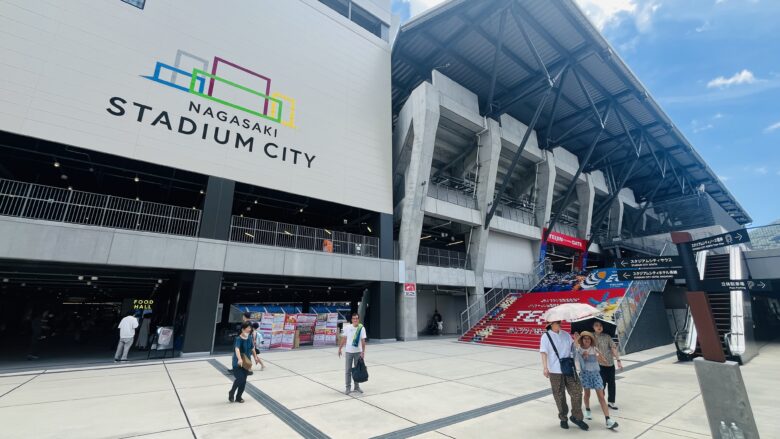
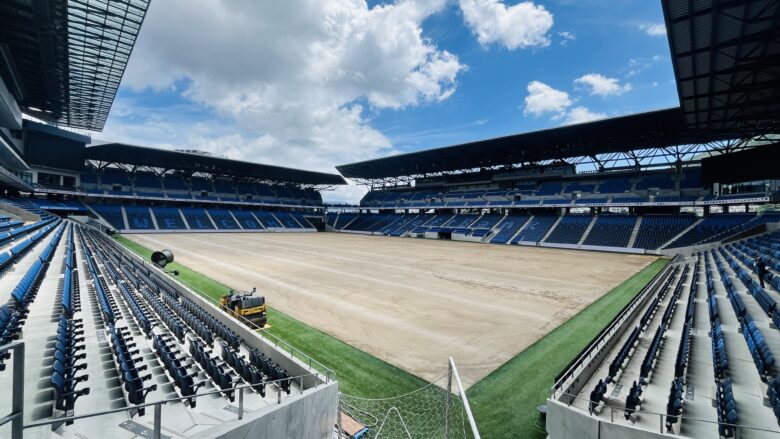
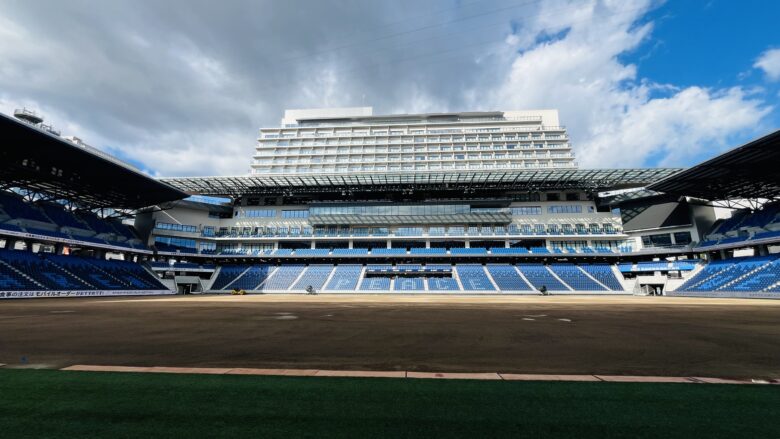
最初に訪れたのは、約1,000億円を民間投資して整備された「長崎スタジアムシティ」です。サッカー専用スタジアムだけではありません。約2万人収容のスタジアム、アリーナ、ホテル、商業施設、飲食店、温浴施設などが一体となっています。
特に印象に残ったのは、「試合の日だけ人が来る施設」にしていないことです。高校サッカーや女子サッカーなど、さまざまなイベントを開催し、平日でも約1万人、休日には2~3万人が訪れています。開業から約1年間の来場者は485万人を超えたとのことでした。しかも、整備に公的資金は使わず、約1,000億円を35年程度で回収する計画。もちろん長崎だからできることを、そのまま秋田に持ってくることはできません。それでも、「公共施設だから行政がつくる」という発想だけでなく、「民間が自ら地域の未来に投資する」という選択肢を示している点は、大きな刺激になりました。
古いものは「古いまま」では終わらない
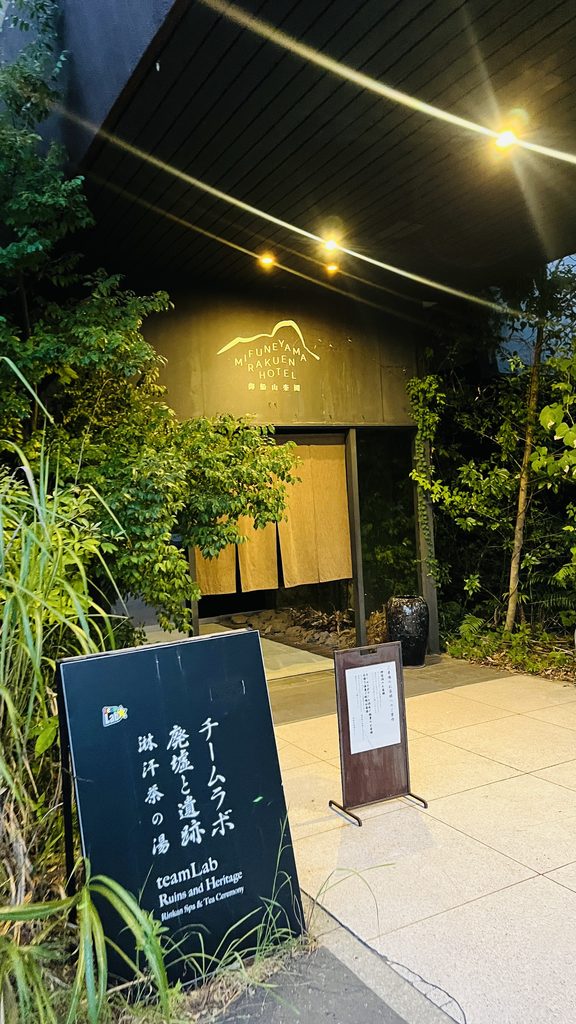
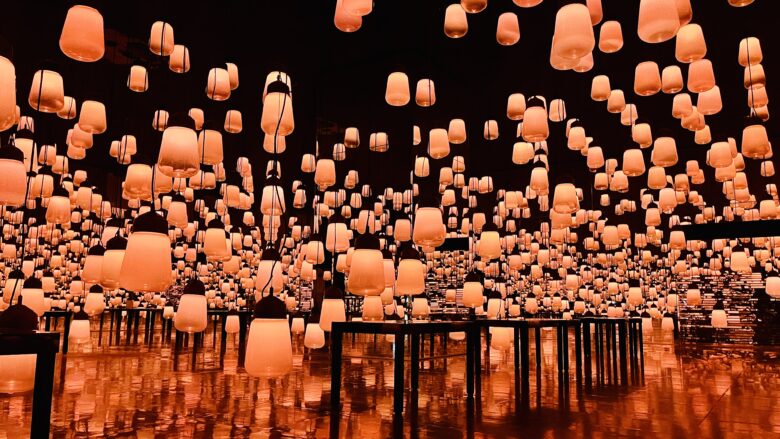
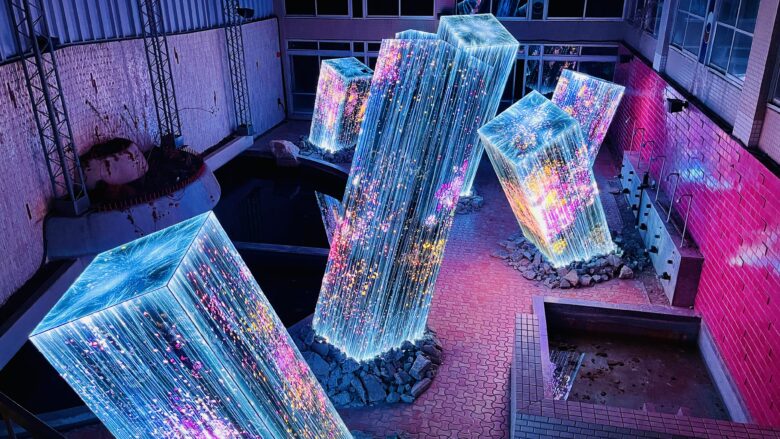
夜には佐賀県武雄市の御船山ホテルを訪れ、「チームラボ 廃墟と遺跡:淋汗茶の湯」を視察しました。ここで驚いたのは、建物をきれいに再生したのではなく、むしろ古い建物の「廃墟感」をそのまま生かしていたことです。そこにデジタルアートを組み合わせることで、建物そのものが作品の一部になります。普通なら「古くなったからどうしよう」と考えるところを、「古いからこそ面白い」と発想を変える。これは秋田にも通じるものがあるのではないでしょうか。歴史的な建物、使われなくなった施設、昔から残るまちなみ、そして豊かな自然。秋田には、すでにたくさんの「素材」があります。必要なのは、それらをもう一度違う角度から見て、新しい価値を見つけることなのかもしれません。
「つくる」だけではなく「使い続ける」視点を
今回の2か所を見て、共通して感じたのは、「箱をつくること」が目的ではないということです。長崎では、スタジアムを核にホテルや商業施設などを組み合わせ、「人が滞在する理由」をつくっていました。武雄では、古い建物にアートを加え、「わざわざ見に行きたい理由」をつくっていました。まちづくりでは、施設を建設することに目が向きがちです。しかし本当に大切なのは、その先に「誰が来るのか」「何をするのか」「何度も来てもらえるのか」ということです。
今回の視察の1日目は、秋田市のまちづくりを考えるうえでも、「新しいものをつくる」だけではなく、「今あるものに新しい意味を与える」という視点を持つことの大切さを教えてくれました。秋田にも、まだまだ眠っている地域資源があります。行政だけで答えを探すのではなく、企業、地域、文化芸術、そして市民の皆さんと一緒に、「これをどう生かせるだろう?」という視点で考えていきたいと思います。皆さんの身近にある「もったいないな」と感じる場所やものこそ、未来の秋田を変える種かもしれません。
【English】260726 — Akita City Council Group “Sosei to Ishin” Administrative Study Tour: Day 1
“¥100 billion for a stadium.” Hearing that number, you might first think, “Can an investment like that really work in a local city?” On the first day of our study tour, our council group visited Nagasaki City and Takeo City in Saga Prefecture. We looked at how private investment, culture, and art can create new reasons for people to visit and spend time in a city. Both projects started with a simple idea: instead of just using what already exists, “What new value can we add to bring people here?”
A place where people come even when there is no game
Our first stop was Nagasaki Stadium City, a private development costing about ¥100 billion. It is much more than a soccer stadium. It combines a stadium for about 20,000 people with an arena, hotel, shops, restaurants, and a spa. What impressed me most was that it was not designed only for game days. It hosts many events, including high school and women’s soccer, and attracts about 10,000 people even on weekdays and 20,000–30,000 on holidays. More than 4.85 million people visited during its first year. The project was built without public funding and aims to recover its investment over about 35 years. Of course, what works in Nagasaki cannot simply be copied in Akita. Still, it showed me another possibility: rather than assuming that the government must build public facilities, private companies can also invest in the future of a community.
Old things can become new attractions
In the evening, we visited Mifuneyama Hotel in Takeo City and saw the digital art project teamLab: Ruins and Heritage: Sengan-en Tea Ceremony. What surprised me was that the old building had not been completely renovated. Instead, its worn and ruined atmosphere was used as part of the experience. Digital art was added, turning the building itself into part of the artwork. Instead of thinking, “This building is old. What should we do with it?”, they asked, “What makes it interesting because it is old?” I think this idea also applies to Akita. We already have historic buildings, unused facilities, traditional townscapes, and rich natural environments. Perhaps what we need is to look at these existing resources from a new angle and discover their value again.
It is not just about building something, but keeping it alive
The two places had one important thing in common: building a facility was not the final goal. In Nagasaki, the stadium was combined with hotels and shops to give people reasons to stay. In Takeo, art was added to an old building to give people a reason to make a special trip to see it. When we talk about city development, it is easy to focus on construction. But what really matters is what happens afterward: Who will come? What will they do? Will they want to come back?
The first day of this study tour reminded me that city development is not only about creating something new. It is also about giving new meaning to what we already have. Akita has many local resources that may still be waiting to be discovered. Rather than looking for all the answers within government, I want to think together with businesses, local communities, artists, and citizens: “How can we make better use of what we already have?” The places and things around us that seem “a shame to waste” may actually contain the seeds of Akita’s future.
【Español】260726 — Visita de estudio del grupo “Sosei to Ishin” del Concejo Municipal de Akita: Día 1
“100.000 millones de yenes para un estadio”. Al escuchar una cifra así, muchas personas podrían pensar: “¿De verdad una inversión de este tamaño puede funcionar en una ciudad local?”. El primer día de nuestra visita de estudio fuimos a Nagasaki y a Takeo, en la prefectura de Saga, para conocer cómo la inversión privada, la cultura y el arte pueden crear nuevos motivos para que las personas visiten y disfruten una ciudad. En ambos casos, todo comenzó con una idea sencilla: no limitarse a utilizar lo que ya existe, sino preguntarse: “¿Qué nuevo valor podemos agregar para atraer a más personas?”.
Un lugar al que la gente va aunque no haya partidos
Primero visitamos Nagasaki Stadium City, un proyecto privado de aproximadamente 100.000 millones de yenes. No es solamente un estadio de fútbol. Reúne un estadio para unas 20.000 personas, una arena, un hotel, comercios, restaurantes y un espacio de aguas termales. Lo que más me llamó la atención es que no fue diseñado únicamente para los días de partido. Allí se realizan diversos eventos, incluidos partidos de fútbol de colegios y de fútbol femenino. Incluso entre semana recibe unas 10.000 personas y durante los días festivos entre 20.000 y 30.000. Durante su primer año recibió más de 4,85 millones de visitantes. Además, el proyecto se realizó sin utilizar fondos públicos y tiene previsto recuperar la inversión en unos 35 años. Por supuesto, lo que funciona en Nagasaki no se puede copiar directamente en Akita. Sin embargo, nos muestra otra posibilidad: no siempre tiene que ser el gobierno quien construya las instalaciones; también las empresas privadas pueden invertir directamente en el futuro de una comunidad.
Lo antiguo también puede convertirse en algo nuevo
Por la noche visitamos Mifuneyama Hotel, en Takeo, y conocimos el proyecto de arte digital teamLab: Ruinas y Patrimonio: Sengan-en Tea Ceremony. Lo que más me sorprendió fue que el edificio antiguo no fue completamente renovado. Al contrario, se aprovechó su aspecto antiguo y de ruina como parte de la experiencia. Al combinarlo con arte digital, el propio edificio se convirtió en parte de la obra. En lugar de pensar “este edificio es viejo, ¿qué hacemos con él?”, cambiaron la mirada y pensaron: “precisamente porque es antiguo, puede ser interesante”. Creo que esta idea también puede aplicarse a Akita. Ya contamos con edificios históricos, instalaciones que han dejado de utilizarse, paisajes tradicionales y una naturaleza muy rica. Tal vez lo que necesitamos es mirar nuevamente estos recursos desde otro punto de vista y descubrir su valor.
No se trata solamente de construir, sino de mantener vivo lo que se crea
Los dos lugares tenían algo muy importante en común: el objetivo no era simplemente construir una instalación. En Nagasaki, el estadio se combinó con hoteles y comercios para crear motivos para que las personas se quedaran. En Takeo, se añadió arte a un edificio antiguo para crear un motivo especial para visitarlo. Cuando hablamos del desarrollo de una ciudad, es fácil concentrarse en construir instalaciones. Pero lo realmente importante es lo que ocurre después: ¿quiénes van a venir?, ¿qué harán allí?, ¿querrán volver?
El primer día de esta visita me recordó que construir una ciudad no significa solamente crear cosas nuevas. También significa darles un nuevo significado a las cosas que ya tenemos. En Akita existen muchos recursos locales que todavía pueden ser aprovechados. En lugar de buscar todas las respuestas dentro de la administración pública, quiero pensar junto con las empresas, las comunidades, las personas vinculadas con la cultura y el arte, y la ciudadanía: “¿Cómo podemos aprovechar mejor lo que ya tenemos?”. Los lugares y objetos que hoy nos hacen pensar “qué lástima desperdiciarlos” quizá sean precisamente las semillas que pueden transformar el futuro de Akita.