
「昔は子どもだけで外を走り回っていた。」
「自然なんて身近にあって当たり前だった。」
そう話す大人は少なくありません。しかし今の子どもたちはどうでしょうか。
自然と触れ合う機会が減り、放課後に安心して過ごせる居場所も限られています。少子化や人口減少が進む中、子どもたちの成長環境をどう整えていくかは、秋田市にとっても大きな課題です。
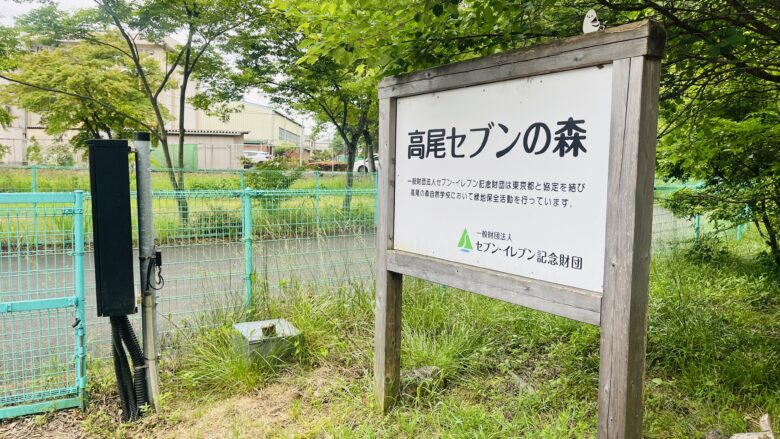
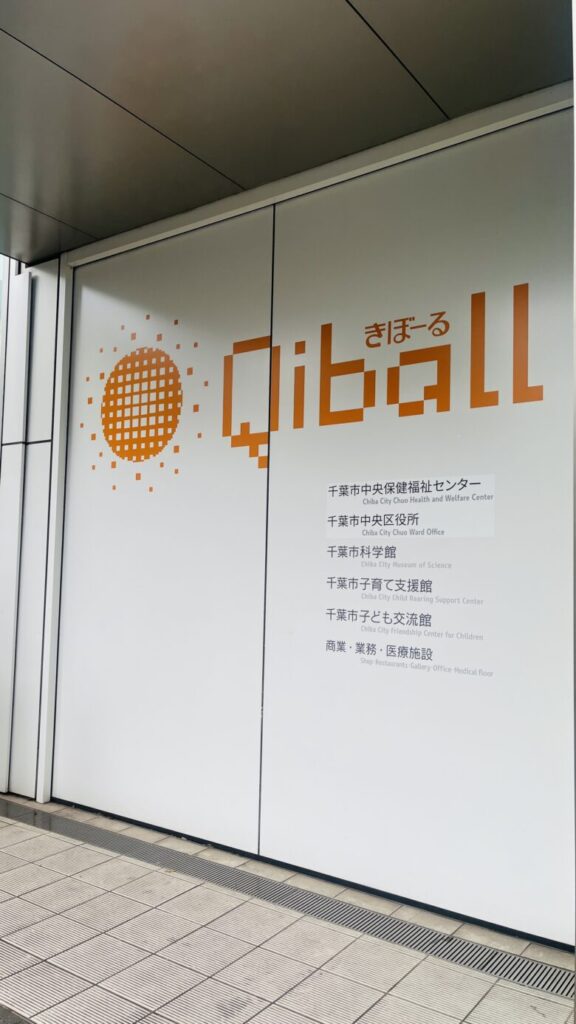
今回、東京都八王子市の「高尾の森自然学校」と、千葉県千葉市の「きぼーる(子ども交流館・子育て支援館・子ども科学館)」を視察してきました。一見すると全く違う施設ですが、そこには共通する考え方がありました。それは、「子どもの成長は環境がつくる」ということです。
■森は教室よりも大きな先生だった
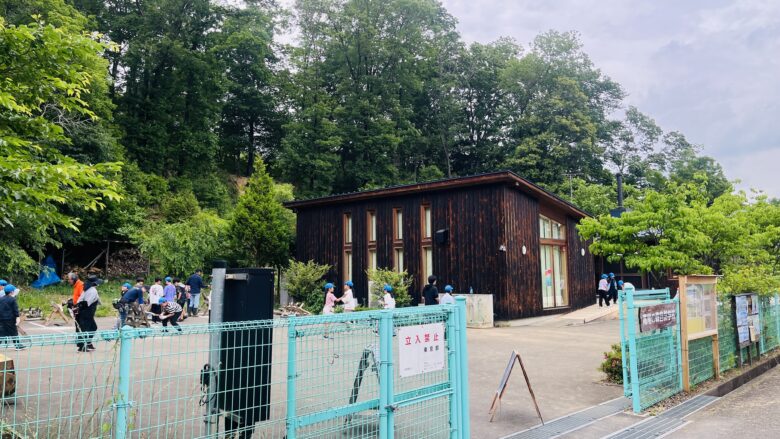
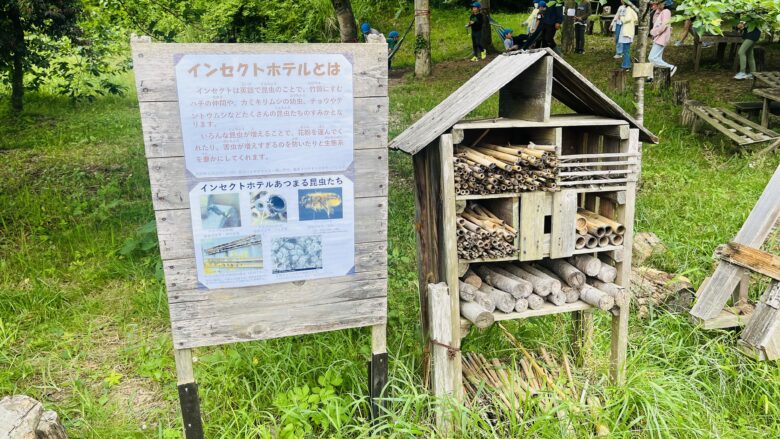
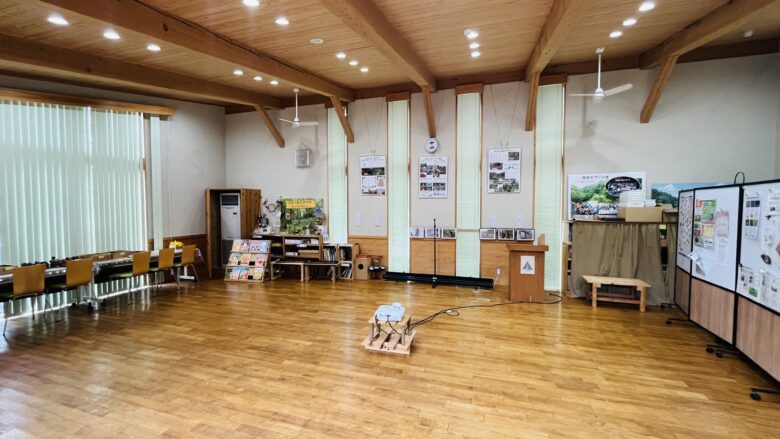
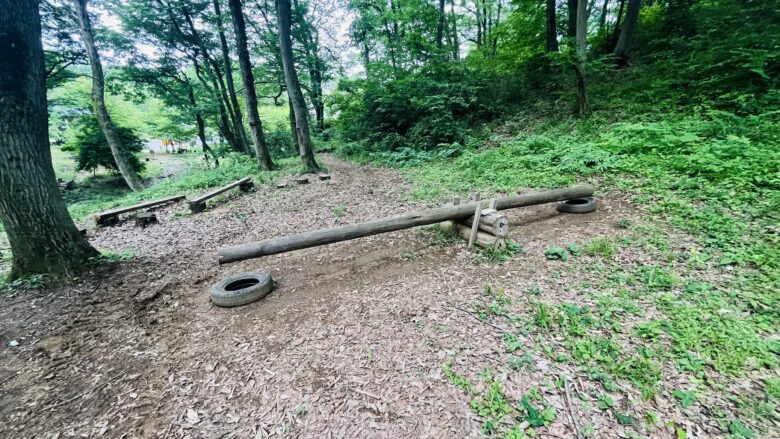
最初に訪れた高尾の森自然学校で驚いたのは、自然体験そのものではありませんでした。むしろ印象的だったのは、その振り返りの時間です。活動の最後に、その日の写真を見ながら歌を歌い、一日を振り返る時間を開校以来ずっと続けているそうです。
私はワークショップではこの手法は必ず行うのですが、自然体験活動で行うのは目からうろこでした。人は体験しただけでは忘れてしまいます。しかし、振り返ることで初めて学びになる。これは学校教育でも議会活動でも同じです。
高尾の森自然学校では、この積み重ねによって利用者満足度が非常に高くなり、参加した子どもたちだけでなく、引率した先生方からの評判も高いとのことでした。その結果、体験学習の予約が増え続け、対応が追いつかないほどだそうです。
また、国立青少年教育振興機構の調査では、幼少期に自然体験をした子どもは、
・学習意欲が高い
・困難に前向きに取り組む
・分からないことを自ら調べる
という傾向があるとの説明もありました。
自然体験は単なるレジャーではありません。人格形成や主体性を育てる教育そのものなのです。自然豊かな秋田に住んでいると、その価値を見落としがちですが、実は秋田の自然は大きな教育資源なのだと改めて感じました。
■「何もしない自由」を認める場所
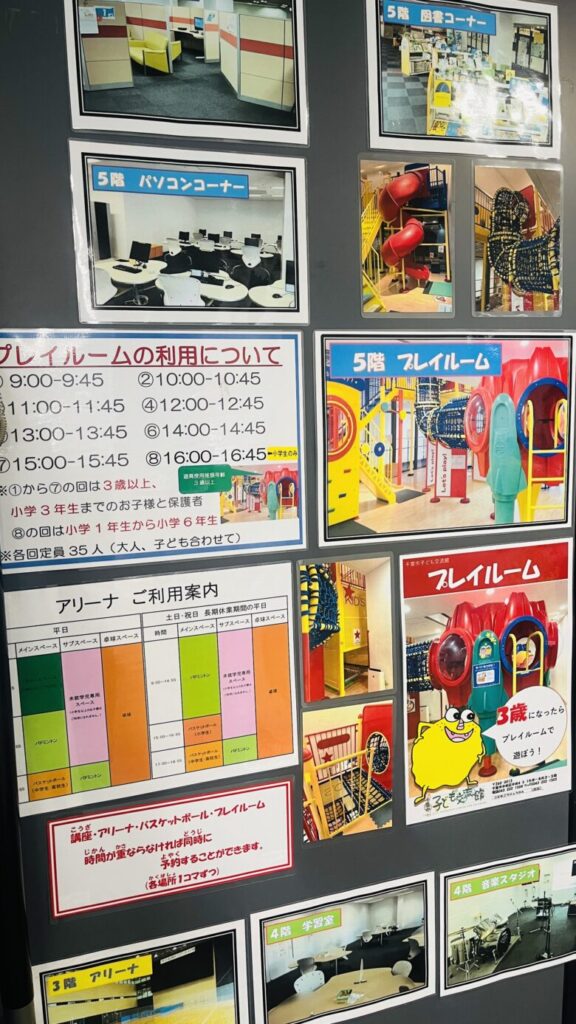
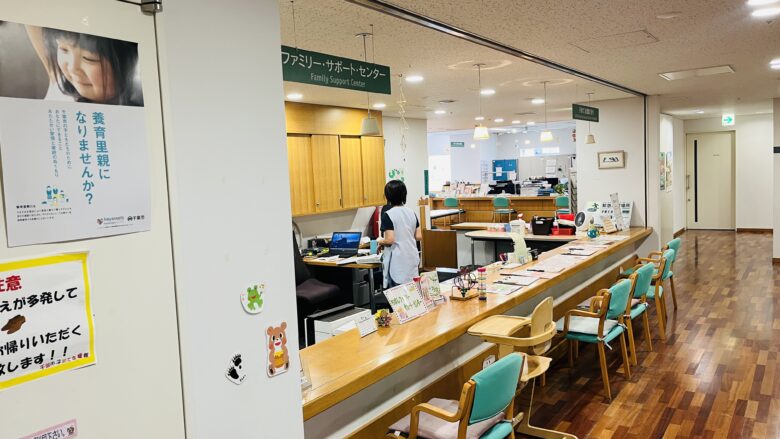
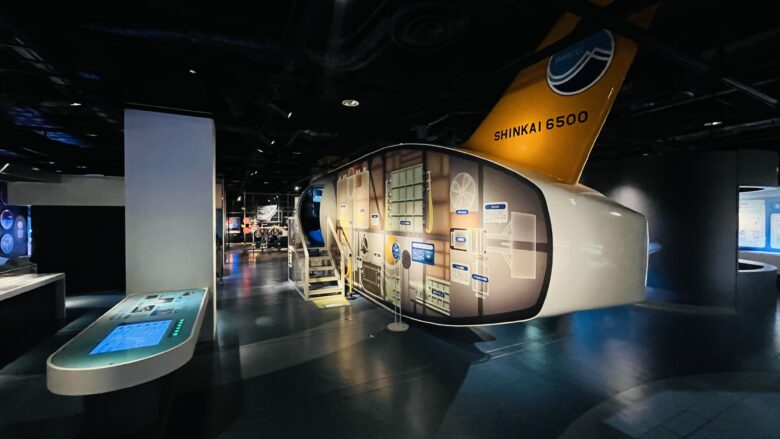
翌日に訪れた千葉市の「きぼーる」では、別の意味で驚かされました。施設の中には、
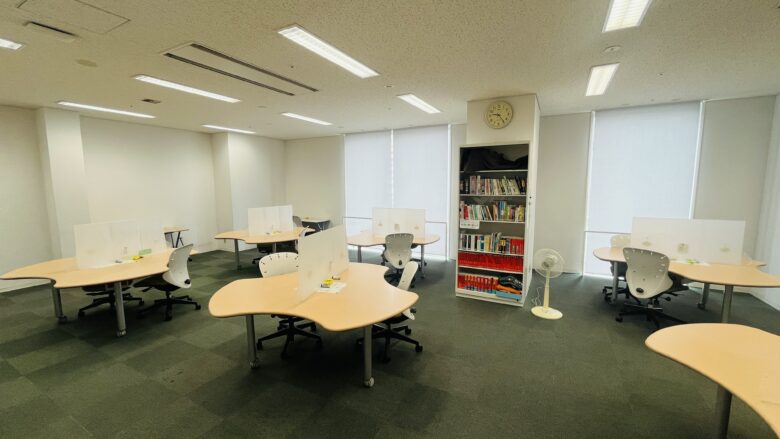
・勉強する子
・友達と話す子
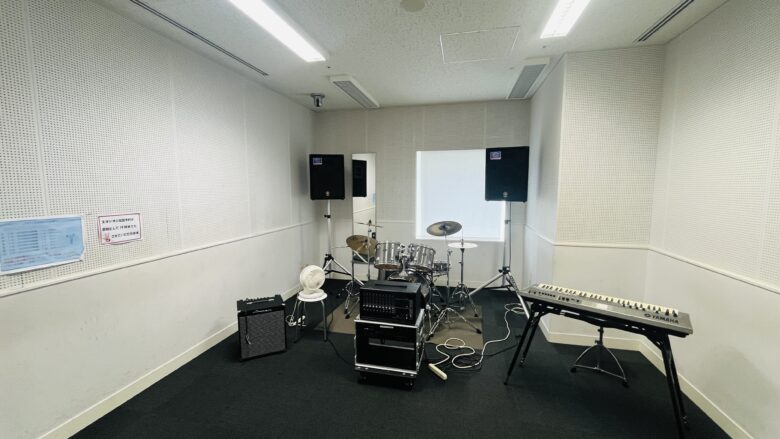
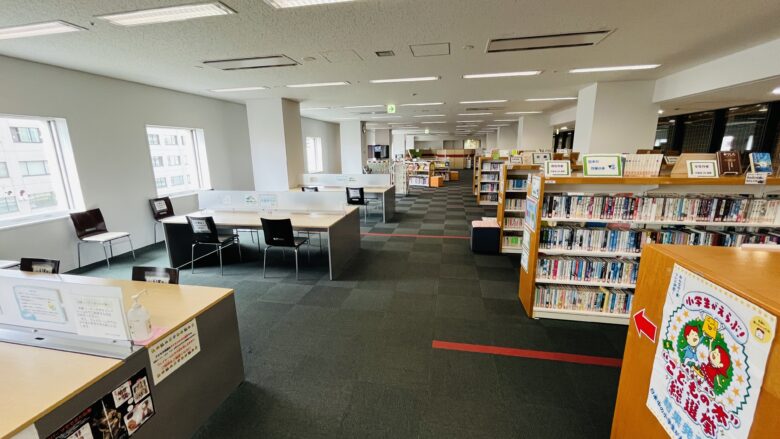
・楽器を演奏する子、ダンスの練習をする子
・一人で静かに本を読み過ごす子
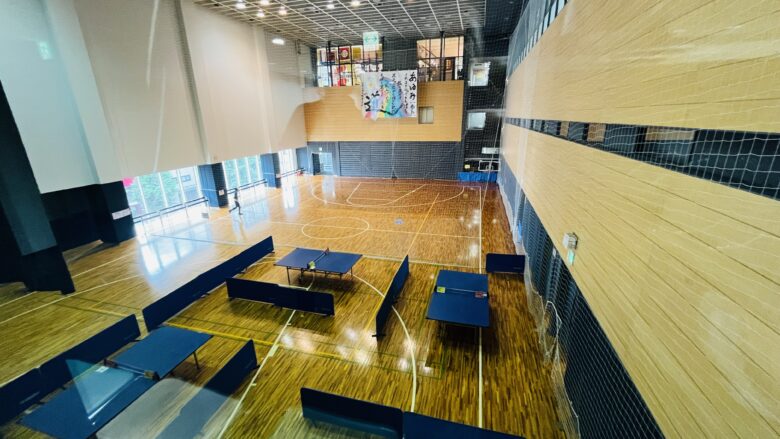
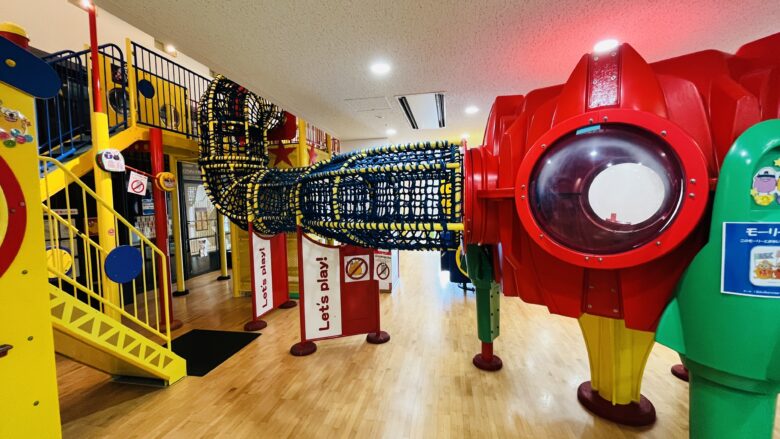
が自然に混在しています。特別なイベントをしているわけではありません。ただ、それぞれが思い思いの時間を過ごせるのです。
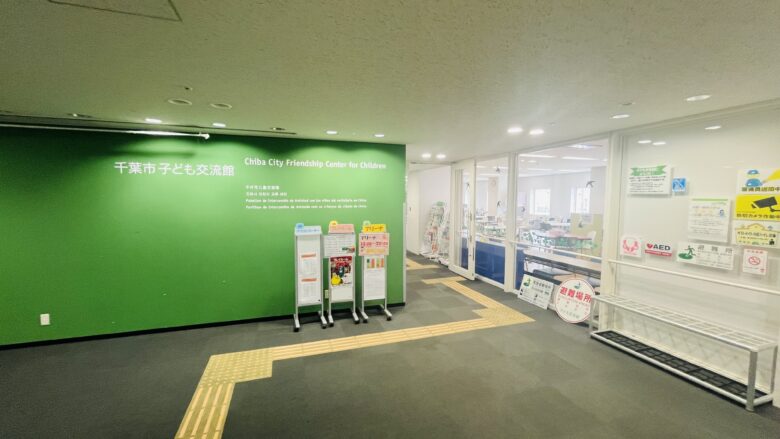
特に印象的だったのは、「子ども交流館」の考え方でした。行政が用意したプログラムに参加させるのではなく、子ども自身が選び、自分の居場所を見つけることを大切にしていました。
さらに、「こどものまちCBT」という取り組みも行われています。子どもたち自身が市役所や会社、お店を運営し、独自通貨を使いながら社会を体験するプログラムです。大人が教えるのではなく、子どもが自ら考え、失敗し、学ぶ。まるで小さな社会そのものです。私はこれを見て、「参画」という言葉の意味を改めて考えさせられました。子どもを支援の対象として見るだけではなく、一人の主体として尊重する。その視点は今後ますます重要になると感じました。
■施設ではなく「仕組み」を学ぶ
今回の視察で感じたのは、立派な建物が重要なのではないということです。高尾の森自然学校も、きぼーるも、本当に価値があるのは施設そのものではありません。そこにある考え方です。高尾では、「自然との関係をどう学ぶか」を考えていました。千葉市では、「子どもが安心して存在できる場所をどうつくるか」を考えていました。どちらも共通しているのは、人を中心に据えていることです。秋田市には豊かな自然があります。地域とのつながりもあります。しかし、それらを教育や居場所づくりに十分活かし切れているかと言われれば、まだ伸びしろがあるように感じます。
■未来への投資は、子どもたちへの投資
視察を終えて強く感じたのは、子ども施策は福祉だけの話ではないということです。教育であり、まちづくりであり、地域づくりでもあります。そして何より、未来への投資です。子どもたちが自然の中で学べる環境。安心して過ごせる居場所。挑戦し、失敗できる機会。それらが将来の秋田を支える力になります。もし休日に時間があれば、お子さんやお孫さんと公園に行ってみる。森を歩いてみる。科学館や図書館に足を運んでみる。そんな小さな一歩が、子どもたちの未来を大きく変えるかもしれません。
未来をつくるのは、施設ではなく人です。そして、その人を育てる環境をつくるのは、今を生きる私たちの役割なのだと思います。
出張報告書はこちら
【English】May 27–28, 2026
Do Children and Nature Really Grow on Their Own? — Investing in the Future Through Lessons from Tokyo and Chiba
Have you ever heard people say:
“When I was young, children spent all day running around outside on their own.”
“Nature was always close to us. We never had to think about it.”
Many adults feel that way. But what about children today?
Opportunities to experience nature are becoming fewer, and safe places where children can spend time after school are becoming more limited. As Japan faces a declining birthrate and a shrinking population, creating a healthy environment for children to grow has become an important challenge for Akita City as well.
Recently, I visited the Takao Forest Nature School in Hachioji, Tokyo, and Qiball, a complex that includes a Children’s Exchange Center, Parenting Support Center, and Children’s Science Museum in Chiba City.
At first glance, these two facilities seem very different. However, they share one important idea:
Children grow through the environment around them.
The Forest Was a Greater Teacher Than Any Classroom
What impressed me most at Takao Forest Nature School was not the outdoor activities themselves.
Instead, it was the reflection time after the activities.
At the end of each program, participants look at photos from the day, sing songs together, and reflect on what they experienced. This has been part of the program since the school first opened.
I always include this kind of reflection in the workshops I lead, but I had never thought about using it in nature experience programs. It was truly eye-opening.
People often forget experiences over time. Reflection turns experience into learning.
The same is true in education and even in local government work.
Because of this approach, the school enjoys very high satisfaction rates not only from children but also from teachers who accompany them. In fact, demand for programs has become so high that reservations continue to increase every year.
Staff members also explained research by the National Institution for Youth Education showing that children who experience nature during childhood are more likely to:
Have stronger motivation to learn
Face challenges positively
Take the initiative to investigate things they do not understand
Nature experiences are not simply recreation.
They are an important form of education that helps develop character, independence, and curiosity.
Living in a place as rich in nature as Akita, we sometimes take these resources for granted. This visit reminded me that Akita’s natural environment is one of its greatest educational assets.
A Place That Accepts the Freedom to Do Nothing
The next day, I visited Qiball in Chiba City, where I discovered something equally impressive.
Inside the facility, you can find:
Children studying
Children talking with friends
Children practicing dance
Children quietly spending time alone
All of these activities happen naturally in the same space.
There is no special event taking place. Children simply spend their time in ways that suit them.
What impressed me most was the philosophy of the Children’s Exchange Center.
Instead of encouraging children to join programs created by adults, the center helps children choose for themselves and find a place where they feel comfortable.
Another interesting program is called “Children’s Town CBT.”
In this program, children operate their own city hall, companies, and stores while using a local currency created for the event. Adults do not provide all the answers. Children think, make decisions, make mistakes, and learn from their experiences. It is like a miniature society. Seeing this made me think again about what true participation means. Children should not only be seen as people who receive support. They should also be respected as active members of society.
Learning Systems, Not Buildings
One thing became clear during this study tour. The value does not come from the buildings themselves. Both Takao Forest Nature School and Qiball have impressive facilities, but their real strength lies in the ideas behind them. At Takao, the focus is on helping people learn how to connect with nature. At Qiball, the focus is on creating places where children feel safe and accepted. Both put people at the center.
Akita City already has rich natural resources and strong community connections.
The challenge is finding better ways to use those strengths for education and for creating places where children can belong.
Investing in Children Means Investing in the Future
After completing this visit, I felt strongly that policies for children are about much more than welfare.
They are also about education, community development, and building the future.
Children need opportunities to learn in nature, safe places where they can spend time, and chances to challenge themselves and learn from failure.
These experiences will help shape the people who will support Akita in the years ahead.
If you have some free time on a weekend, consider taking your children or grandchildren to a park, walking through a forest, or visiting a science museum or library.
That small step could make a big difference in a child’s future.
In the end, the future is not built by facilities.
It is built by people.
And creating the environment where people can grow is the responsibility of all of us living today.
【Español】27 y 28 de mayo de 2026
¿Los niños y la naturaleza realmente crecen solos? — Lo que aprendí en Tokio y Chiba sobre invertir en el futuro
¿Alguna vez ha escuchado frases como estas?
“Cuando yo era niño, los niños pasábamos el día corriendo afuera por nuestra cuenta.”
“La naturaleza siempre estaba cerca; era algo normal.”
Muchas personas adultas lo recuerdan así. Pero, ¿qué sucede con los niños de hoy?
Las oportunidades de convivir con la naturaleza son cada vez menores, y también son más limitados los lugares seguros donde pueden pasar el tiempo después de la escuela. En una época de disminución de la población y baja natalidad, crear buenos entornos para el desarrollo de la niñez es un desafío importante también para la ciudad de Akita.
Recientemente visité la Escuela de Naturaleza del Bosque Takao, en Hachioji, Tokio, y Qiball, un complejo en la ciudad de Chiba que incluye un Centro de Intercambio Infantil, un Centro de Apoyo para la Crianza y un Museo de Ciencias para Niños.
A simple vista parecen lugares muy diferentes. Sin embargo, ambos comparten una idea fundamental:
El entorno es lo que ayuda a crecer a los niños.
El bosque fue un maestro más grande que cualquier aula
Lo que más me llamó la atención en la Escuela de Naturaleza del Bosque Takao no fueron las actividades al aire libre. Fue el tiempo dedicado a la reflexión. Al finalizar cada actividad, los participantes observan fotografías del día, cantan juntos y recuerdan lo que vivieron. Esta práctica se mantiene desde la apertura de la escuela.
Siempre incluyo este tipo de reflexión en los talleres que realizo, pero nunca había pensado en aplicarla a las experiencias en la naturaleza. Fue algo que realmente me abrió los ojos. Las personas pueden olvidar una experiencia con el tiempo. Pero cuando reflexionan sobre ella, esa experiencia se transforma en aprendizaje.
Lo mismo ocurre en la educación y también en el trabajo dentro del gobierno local.
Gracias a este enfoque, la satisfacción de los participantes es muy alta, tanto entre los niños como entre los docentes que los acompañan. De hecho, la demanda de programas sigue creciendo cada año hasta el punto de que la capacidad disponible resulta insuficiente.
Además, se nos explicó que investigaciones de la Institución Nacional para la Educación Juvenil de Japón muestran que los niños que tienen experiencias en la naturaleza durante la infancia tienden a:
Tener mayor motivación para aprender.
Afrontar los desafíos de manera positiva.
Investigar por iniciativa propia aquello que no entienden.
Las experiencias en la naturaleza no son simplemente actividades recreativas. Son una forma de educación que fortalece la personalidad, la autonomía y la curiosidad.
Quienes vivimos en Akita, rodeados de abundante naturaleza, a veces olvidamos su valor. Esta visita me recordó que nuestro entorno natural es uno de los recursos educativos más importantes que tenemos.
Un lugar que reconoce la libertad de no hacer nada
Al día siguiente visité Qiball, en la ciudad de Chiba, donde encontré algo igualmente interesante.
Dentro de las instalaciones se puede ver a:
Niños estudiando.
Niños conversando con sus amigos.
Niños practicando baile.
Niños que simplemente pasan tiempo solos y en tranquilidad. Todas estas actividades ocurren de manera natural en un mismo espacio. No hay necesariamente un evento especial. Cada niño utiliza el lugar como desea. Lo que más me impresionó fue la filosofía del Centro de Intercambio Infantil. En lugar de hacer que los niños participen en programas diseñados por los adultos, el centro les permite elegir y encontrar por sí mismos un lugar donde se sientan cómodos.
También desarrollan una iniciativa llamada “Ciudad Infantil CBT”. En este programa, los propios niños administran una municipalidad, empresas y comercios utilizando una moneda creada especialmente para la actividad. Los adultos no les dan todas las respuestas. Los niños piensan, toman decisiones, cometen errores y aprenden. Es como una pequeña sociedad. Al observarlo, reflexioné nuevamente sobre el verdadero significado de la participación. Los niños no deben verse únicamente como personas que reciben apoyo. También deben ser respetados como protagonistas activos de la sociedad.
Lo importante no son los edificios, sino el sistema
Durante esta visita comprendí algo muy importante. El verdadero valor no está en los edificios. Tanto la Escuela de Naturaleza del Bosque Takao como Qiball cuentan con excelentes instalaciones, pero lo más valioso son las ideas que las sustentan.
En Takao, el objetivo es enseñar cómo relacionarse con la naturaleza.
En Chiba, el objetivo es crear espacios donde los niños puedan sentirse seguros y aceptados.
Ambos ponen a las personas en el centro. La ciudad de Akita ya cuenta con una naturaleza rica y fuertes vínculos comunitarios.
Ahora el reto es aprovechar mejor esos recursos para la educación y para crear lugares donde los niños puedan sentirse parte de la comunidad.
Invertir en la niñez es invertir en el futuro
Después de esta visita, reafirmé una convicción:
Las políticas dirigidas a la niñez son mucho más que políticas de bienestar social.
También son educación, desarrollo comunitario y construcción del futuro.
Los niños necesitan oportunidades para aprender en la naturaleza, lugares seguros donde permanecer y experiencias que les permitan intentar cosas nuevas y aprender de sus errores.
Todo ello ayudará a formar a las personas que sostendrán a Akita en el futuro.
Si tiene tiempo durante un fin de semana, le invito a visitar un parque con sus hijos o nietos, caminar por un bosque o ir a una biblioteca o museo de ciencias.
Ese pequeño paso podría tener un gran impacto en el futuro de un niño.
Al final, el futuro no lo construyen los edificios. Lo construyen las personas.
Y crear los entornos donde esas personas puedan crecer es una responsabilidad que compartimos todos quienes vivimos hoy.