
「災害が起きたら助け合おう。」
この言葉は誰もが口にします。でも、本当に助け合える関係は、災害が起きてから急につくれるのでしょうか。
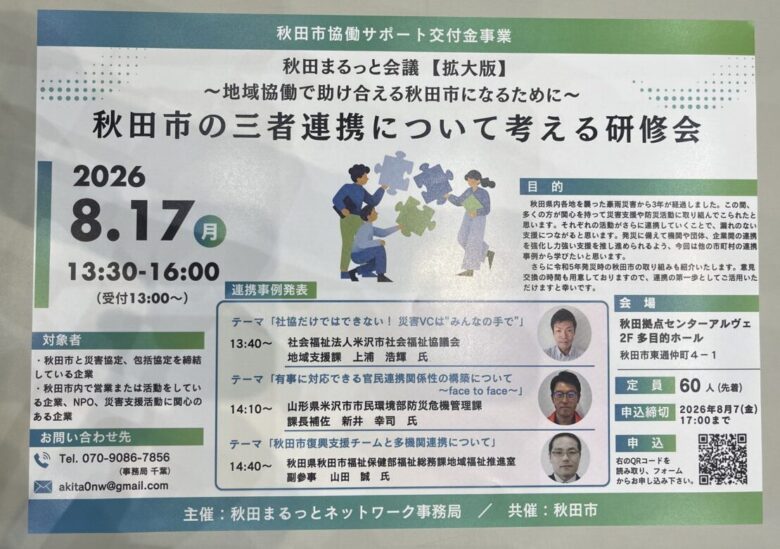
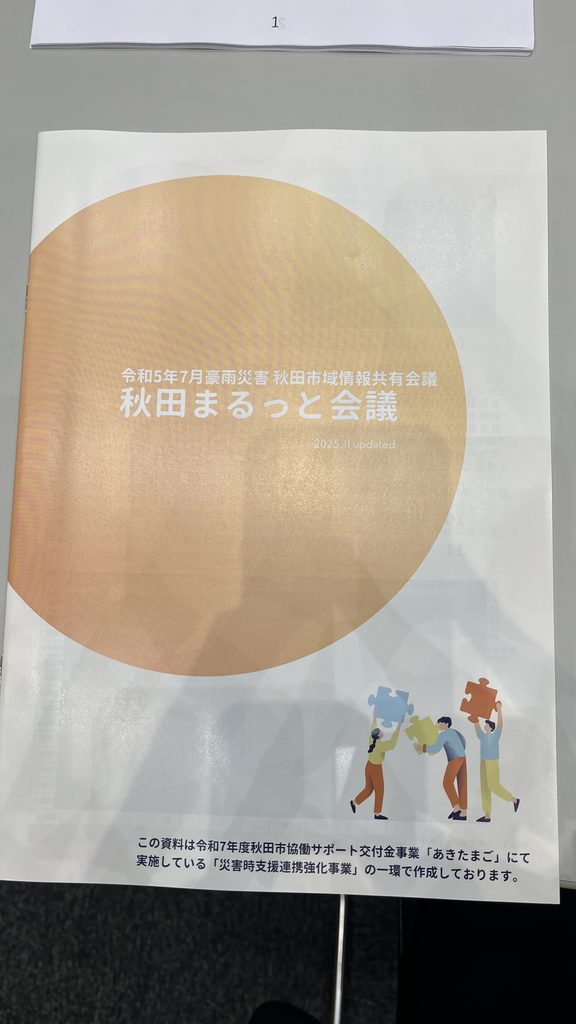
8月17日に開催された「秋田まるっと会議〜秋田市の三者連携について考える研修会〜」に参加し、その答えは「平時に顔が見える関係をつくっておくこと」だと改めて感じました。2023年の秋田市豪雨災害をきっかけに生まれた「秋田まるっと会議」、それは、行政、社会福祉協議会、NPO、企業、地域団体などが連携し、次の災害に備えるための学び合いの場でした。今回は他都市の事例から、多くのヒントをいただきました。
最後に頼りになるのは、人と人のつながり
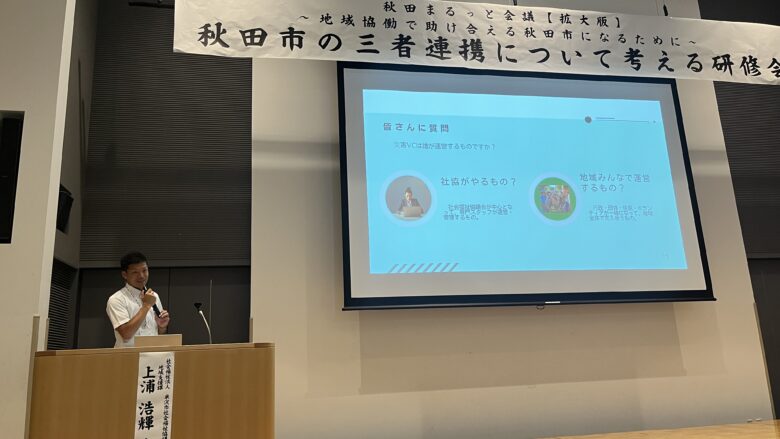
最初の講演は、山形県米沢市社会福祉協議会の取り組みでした。印象的だったのは「災害ボランティアセンターは社協だけでつくるものではなく、みんなの手でつくるもの」という考え方です。米沢市では、町内会ごとに「見守り防災マップ」を作成しています。
・避難経路
・支援が必要な方の情報
・日頃の見守り体制
を、地域を歩きながら確認し、地図に落とし込む取り組みです。行政と社協が一緒に開催することで、お互いに相談しやすい関係が生まれたそうです。
講師の言葉で最も心に残ったのは、「最後に頼りになるのは、人と人のつながり。平時のつながりは災害時につながる。」という一言でした。
行政も「顔が見える関係」をつくる側になる
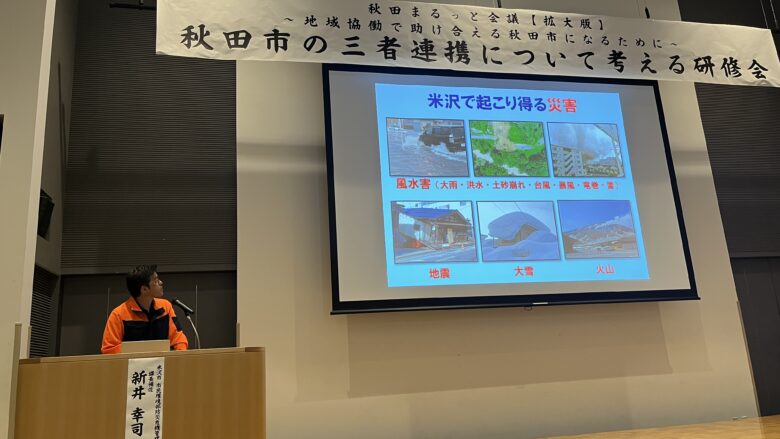
続いて米沢市防災危機管理課からは、行政の立場から官民連携の話がありました。ここで強く印象に残ったのが、「縦割り行政を取っ払う」という言葉です。防災担当だけで完結するのではなく、消防団、企業、小学校、町内会、社協などと日頃から一緒に訓練や講座を行っています。
特に感銘を受けたのは、「地区ごとの防災訓練をコミュニティセンターで継続して実施していること」でした。最初はコミセン側も消極的だったそうですが、続けるうちに「ぜひやってほしい」という声に変わったとのこと。関係づくりは、一度の会議ではなく、小さな取り組みを積み重ねることなのだと実感しました。
秋田市豪雨災害で生まれた「新しい連携」
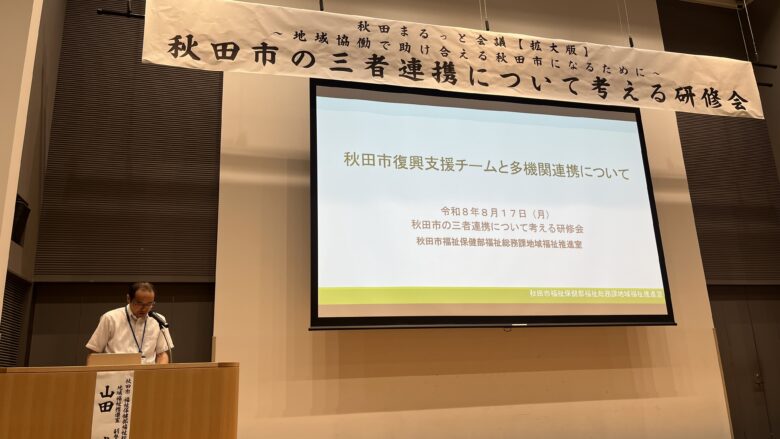
秋田市からは、豪雨災害後に立ち上がった復興支援チームと地域支え合いセンターの報告がありました。行政内の複数部署と秋田市社会福祉協議会が定期的にケース会議を行い、福祉データと罹災証明の情報を組み合わせて、支援が必要な世帯を優先的に訪問したそうです。
また、被災者サロンを開き、相談だけでなく、ハンドマッサージや詐欺防止講座なども実施し、孤立を防ぐ居場所づくりを進めていました。そして、この経験から生まれたのが「秋田まるっと会議」です。一度きりの災害対応では終わらせず、「秋田まるっとネットワーク」として企業や団体にも広げ、支援の隙間をなくそうとしている点に、大きな可能性を感じました。
「自分なら何ができるか」を考える時間
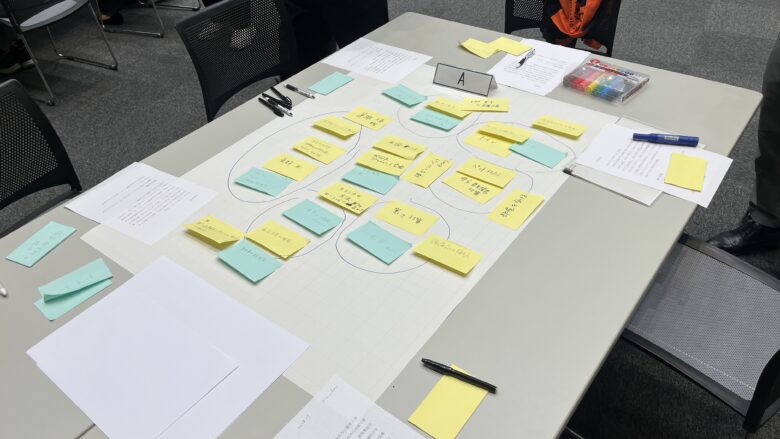
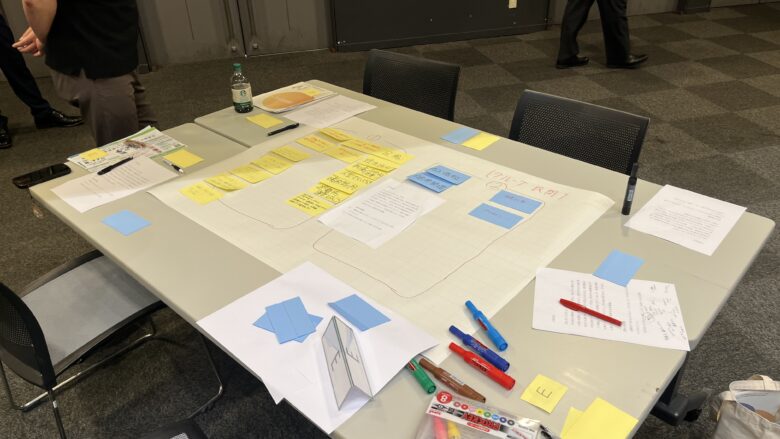
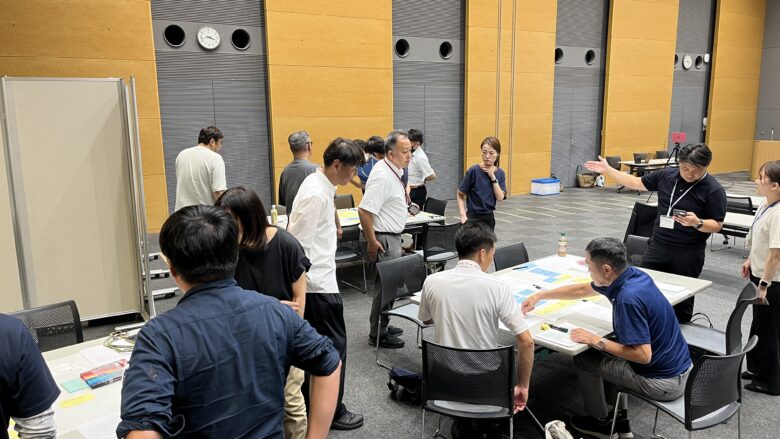
研修の最後はワークショップでした。参加者は行政、社協、NPO、企業など立場ごとに分かれ、「避難所で本当に必要なもの」を出し合いました。物資だけではありません。「自分たちだからできる支援」と、「自分たちだけでは難しい支援」を整理し、お互いに共有する時間でした。
同じ避難所を思い浮かべても、立場が違えば見えている景色が違う。その違いを持ち寄ることで、初めて支援の全体像が見えてくることを実感しました。災害は、いつ起きるか分かりません。だからこそ必要なのは、「助けてください」と言える関係と、「手伝います」と自然に言える関係を平時から育てておくことだと思います。
秋田市は2023年の豪雨災害という大きな経験をしました。その経験を風化させず、人と人、団体と団体、行政と地域がつながるネットワークへ発展させることが、次の災害への最大の備えになります。私も議員として、防災を「災害が起きた時の話」ではなく、「日常のつながりを育てる取り組み」として、地域の皆さんと一緒に進めていきたいと思います。
【English】August 17, 2026 — What I Learned from the “Akita Marutto Meeting”: Building a Community That Can Help Each Other
“Let’s help each other when a disaster happens.” Everyone agrees with this idea. But can we really build strong relationships after a disaster has already happened? After taking part in the “Akita Marutto Meeting” on August 17, I was reminded of the answer: we need to build relationships and trust during normal times, before a disaster happens. The Akita Marutto Meeting was created after the heavy rain disaster in Akita City in 2023. It brings together the city government, the Social Welfare Council, NPOs, companies, and local groups to learn from each other and prepare for future disasters. This time, we learned a lot from examples in other cities.
“In the end, what we can rely on is the connection between people.” The first presentation introduced the work of the Social Welfare Council in Yonezawa, Yamagata Prefecture. One idea that stood out was that a disaster volunteer center should not be created by the Social Welfare Council alone. It should be built together with the whole community. In Yonezawa, each neighborhood creates a disaster-prevention map showing evacuation routes, people who may need help, and local support systems. By working together, the city government and the Social Welfare Council have also built relationships that make it easier to ask each other for help. One message stayed with me: “The connections we build in everyday life become the connections we can rely on during a disaster.”
The city government also needs to build face-to-face relationships. Yonezawa’s disaster management department also explained how it works with local groups. Instead of leaving disaster preparedness only to the department in charge, they work regularly with volunteer firefighters, companies, schools, neighborhood groups, and the Social Welfare Council. They also continue disaster drills at community centers. At first, some centers were not very interested, but after continuing the activities, they began asking for more. This showed me that strong relationships are not created by one meeting. They grow through small activities repeated over time.
New cooperation born from Akita’s heavy rain disaster Akita City also introduced its recovery support team and community support center, which were created after the 2023 disaster. Different city departments and the Social Welfare Council held regular case meetings and used welfare information together with disaster-certification information to identify households that needed support. They also organized gatherings for disaster victims, offering not only consultations but also activities such as hand massages and fraud-prevention classes. These efforts helped prevent people from becoming isolated. The Akita Marutto Meeting itself grew from these experiences. I see great potential in expanding this cooperation to companies and community organizations through the “Akita Marutto Network.”
Thinking about “What can I do?” The training ended with a workshop. Participants from government, welfare organizations, NPOs, and companies discussed what is really needed at evacuation shelters. We did not talk only about supplies. We also looked at what each group could do and what would be difficult for them to do alone. Even when we imagine the same evacuation shelter, we see different things depending on our position. Sharing those different views helped us understand the bigger picture of disaster support.
We never know when the next disaster will happen. That is why we need relationships where people can say, “Please help me,” and others can naturally respond, “I’ll help you.” Akita City has learned important lessons from the heavy rain disaster of 2023. The best way to prepare for the next disaster is to keep those lessons alive and build stronger connections between people, organizations, government, and local communities. As a city council member, I want to work with local residents to make disaster preparedness part of everyday community life—not something we think about only after a disaster happens.
【Español】17 de agosto de 2026 — Lo que aprendí en la “Reunión Akita Marutto”: construir una comunidad que pueda ayudarse
“Cuando ocurra un desastre, ayudémonos unos a otros”. Todos estamos de acuerdo con esta idea. Pero ¿realmente podemos construir relaciones de apoyo después de que ocurra un desastre? Después de participar el 17 de agosto en la “Reunión Akita Marutto”, confirmé algo importante: la confianza y los vínculos entre las personas deben construirse en tiempos normales, antes de que ocurra una emergencia. Esta reunión nació después de las fuertes lluvias que afectaron a la ciudad de Akita en 2023. Reúne al gobierno municipal, al Consejo de Bienestar Social, organizaciones sin fines de lucro, empresas y grupos comunitarios para aprender juntos y prepararse para futuros desastres. Esta vez, también aprendimos mucho de las experiencias de otras ciudades.
“Al final, lo que realmente nos ayuda es la conexión entre las personas.” En la primera presentación conocimos el trabajo del Consejo de Bienestar Social de Yonezawa, en la prefectura de Yamagata. Me llamó especialmente la atención la idea de que un centro de voluntariado para desastres no debe ser creado solamente por el Consejo de Bienestar Social, sino con la participación de toda la comunidad. En Yonezawa, cada barrio prepara un mapa de prevención que muestra las rutas de evacuación, las personas que podrían necesitar ayuda y los sistemas de apoyo existentes. Al trabajar juntos, el gobierno municipal y el Consejo también han creado una relación de confianza que facilita pedir ayuda cuando es necesario. Una frase quedó en mi memoria: “Los vínculos que construimos en tiempos normales se convierten en apoyo cuando ocurre un desastre”.
El gobierno también debe construir relaciones cercanas con la comunidad. El departamento de gestión de desastres de Yonezawa explicó cómo trabaja con diferentes sectores. La preparación no queda solamente en manos del departamento encargado de emergencias. También participan bomberos voluntarios, empresas, escuelas, asociaciones comunales y el Consejo de Bienestar Social. Además, realizan regularmente simulacros en los centros comunitarios. Al principio algunos no estaban muy interesados, pero con el tiempo comenzaron a pedir que estas actividades continuaran. Esto demuestra que las buenas relaciones no se construyen en una sola reunión; se crean poco a poco, mediante pequeñas acciones constantes.
Nuevas formas de colaboración nacidas del desastre de Akita Akita City también presentó el trabajo del equipo de apoyo para la recuperación y del centro comunitario de apoyo creado después de las fuertes lluvias de 2023. Diferentes departamentos municipales y el Consejo de Bienestar Social realizan reuniones periódicas y utilizan información de bienestar social junto con la información sobre las viviendas afectadas para identificar a las familias que necesitan apoyo. También organizaron encuentros para las personas afectadas, con consultas y actividades como masajes de manos y charlas para prevenir estafas. Así se busca evitar que las personas queden aisladas. La propia Reunión Akita Marutto nació de estas experiencias. Considero que existe un gran potencial para ampliar esta cooperación a empresas y organizaciones mediante la “Red Akita Marutto”.
Pensar: “¿Qué puedo hacer yo?” La capacitación terminó con un taller. Personas del gobierno, organizaciones de bienestar social, NPO y empresas conversamos sobre lo que realmente se necesita en un centro de evacuación. No hablamos solamente de suministros. También analizamos qué puede hacer cada grupo y qué cosas serían difíciles de realizar por sí solo. Aunque imaginemos el mismo centro de evacuación, cada persona ve una realidad diferente según su experiencia y posición. Compartir esas diferentes perspectivas nos permitió comprender mejor cómo debería funcionar el apoyo durante una emergencia.
No sabemos cuándo ocurrirá el próximo desastre. Por eso necesitamos construir relaciones en las que una persona pueda decir “Necesito ayuda” y otra pueda responder naturalmente “Yo le ayudo”. Akita City ha aprendido importantes lecciones del desastre causado por las fuertes lluvias de 2023. Mantener viva esa experiencia y fortalecer las conexiones entre personas, organizaciones, gobierno y comunidades será una de las mejores formas de prepararnos para el próximo desastre. Como miembro del Concejo Municipal, quiero seguir trabajando con la comunidad para que la prevención de desastres no sea algo que recordemos solamente cuando ocurre una emergencia, sino una parte de nuestra vida cotidiana.