
「もし、今日ここが避難所になったら?」
そんな問いを、改めて自分自身に投げかける機会になりました。
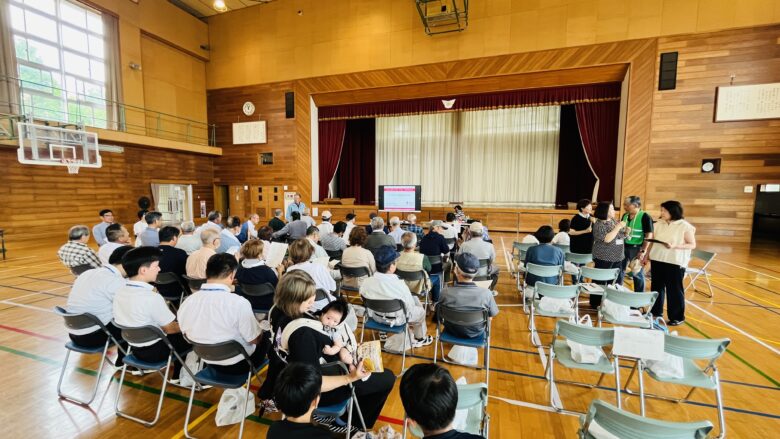
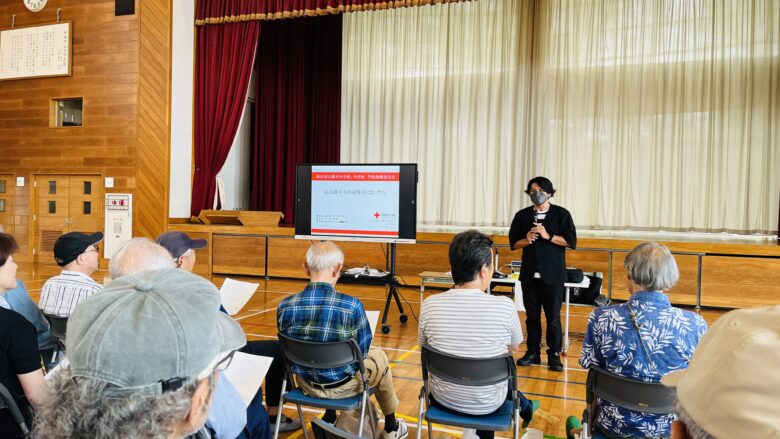
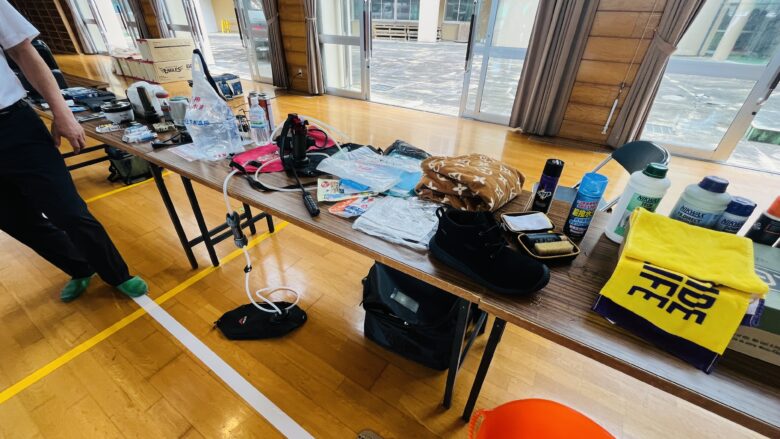
令和8(2026)年7月30日、地元の勝平小学校で開催された「勝平小学校・中学校合同保健委員会」の防災講演会に参加しました。講師は、日本赤十字東北看護大学・介護福祉短期大学部で災害・防災、災害ボランティアを担当されている及川真一さん。講演のテーマは、「もしも勝平小学校が避難所になったら」。
防災というと「非常食を買っておく」「水を備蓄しておく」といった話を想像しがちですが、今回の講演は、もっとリアルでした。「そのとき、私たちはどう動くのか?」そこまで想像しておくことが、防災なのだと感じました。
「非常食を送ればいい」は、本当に正解?
今回、特に印象に残ったのが「食」の話です。例えば、災害が起きると「被災地に非常食を送ろう」と考えます。ところが、必ずしもそれが最善とは限りません。災害発生後、かなり早い段階から炊き出しが始まり、発災から2日目くらいには温かい食事が提供されるケースがあるとのこと。確かに様々な災害の現場に入ると、それくらいのタイムラグで食事の提供が行われることが多いと思います。だからこそ、被災地に送るなら、特別な非常食よりも「普通のお米」のほうが役に立つ場合がある。
さらに、避難所では「匂い」も重要です
アルファ米を備蓄する場合も、匂いの強いものより白米がよい。避難所という同じ空間で多くの人が生活するからこそ、「何を食べるか」だけでなく「周りにどんな影響があるか」まで考える必要があります。そして大切なのは、災害のために特別な生活を始めることではなく、家にあるものを一度見直してみること。「災害時、どこで食べるのか?」「電気も水道も止まったら?」そんな状況を一度想像してみるだけでも、備え方は変わります。
防災の準備をしなきゃと思いながら、なかなか行動できない。これは私自身も含め、多くの人に共通することではないでしょうか。だからこそ、日常の生活を少しだけ変える。それが一番続く防災なのだと思います。
避難所は「避難する場所」から「みんなで支える場所」へ
もう一つ強く印象に残ったのが、「避難所は、避難者を増やすのではなく、支援者を増やす」という考え方です。避難所が勝平小学校になったとします。市の職員や学校の先生にしかできない仕事があります。一方で、避難してきた住民だからこそできることもあります。だからこそ、
・市職員や教職員にしかできないこと
・専門職にしかできないこと
・誰でもできること
をあらかじめ整理しておく。
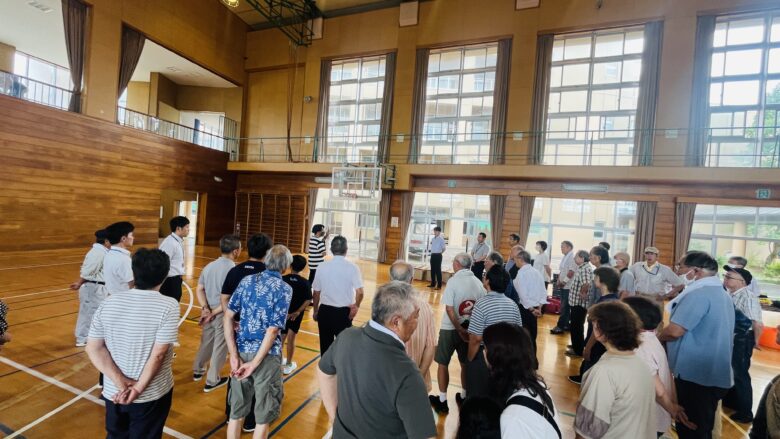
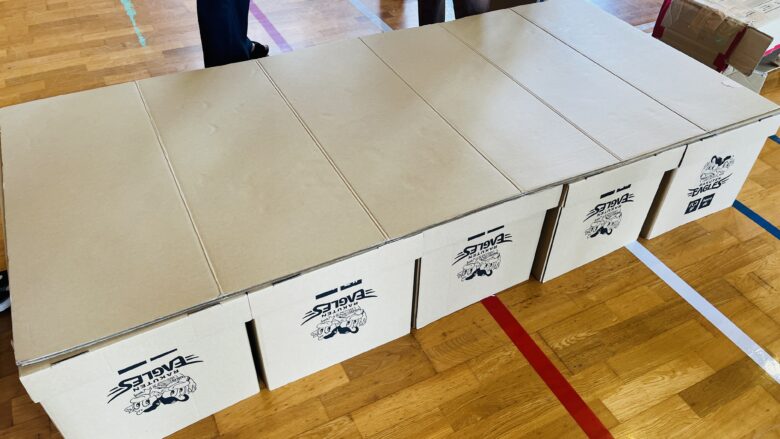
避難者も、できる範囲で避難所運営に参加する。これができれば、災害時の負担を大きく減らすことができます。実際、この日の研修では、参加者がグループに分かれてダンボールベッドを組み立てるワークショップも行われました。
「これ、意外と難しいね」そんな声が聞こえてきた作業ですが、災害が起きてから初めて組み立てるのでは遅い。一度でも体験しておけば、本番での戸惑いは確実に減ります。要介護者や妊婦など、避難所で特に配慮が必要な人への支援についても、現場での経験を踏まえた話がありました。 最初は避難所にいても、時間が経つにつれて「周りに迷惑をかけているのでは」と感じ、外へ出てしまう人がいる。車中泊への対応でも、単に注意喚起のチラシを配るだけではなく、「実際にテントを持っていく」という支援を行ったという話がありました。防災は、マニュアルだけではなく「その人が今、何に困っているのか」を考えることなのだと感じました。
15年後の「あの日」を知る世代へ
講師の及川さん自身も、東日本大震災で仙台市若林区荒浜の被災を経験されています。震災から15年。当時、0歳から3歳だった子どもたちは、今では高校生から大学生です。当時のことをはっきり思い出せない世代が増えてきている、だからこそ、「伝えていくこと」が大切なのだという言葉が心に残りました。
及川さんは、災害が起きたら現地に行くことを大切にしているそうです。そこは様々な災害現場に足を運んだ自分も同感でした。さらに、大型特殊などの重機の免許を取得し、重機を使った支援もできるようにしています。現役消防士が自ら技術ボランティアを立ち上げ、重機を使ったり、流れ込んだ流木を切ったりする活動も紹介されました。「自分に何ができるか」という問いへの答えは、専門家だけが持っているものではありません。
また、今回の研修では、歯科医師会から「災害時の歯磨き」についても話がありました。塩と指だけでは現代の食生活に対応するのは難しいため、「新しい歯ブラシを1本余計に買っておく」。学校薬剤師からは、普段飲んでいる薬について、「何のために、何の薬を飲んでいるのか」を自分自身で把握しておくことの大切さも教えていただきました。
どれも特別なことではありません。でも、災害が起きた瞬間には、その「普段からの小さな準備」が大きな違いになります。
今回の講演を通じて、防災とは「災害が起きたときのために準備すること」だけではなく、「普段の暮らしを少しだけ災害に強くしておくこと」なのだと感じました。秋田県では、これまで災害・防災に関する基本条例がなく、現在、検討委員会が立ち上げられ、2027年の施行を目指して検討が進められています。私自身、秋田市議会議員として、防災について制度や行政の仕組みを考えることはもちろんですが、地域の皆さんと一緒に「いざという時に動ける地域」をつくっていくことも大切だと考えています。
まずは、ご家庭の備蓄を一つ確認してみる。
次に、近所の避難場所を確認してみる。
そして、家族で「もし今日、災害が起きたら?」と話してみる。
防災は、大げさな準備から始めなくてもいい。
家の中や家族の中で今日できる小さな一歩から始めてみませんか。
【English】July 30, 2026 – Learning How to Prepare for Disasters at the Katsuhira Elementary and Junior High School Joint Health Committee
“What would we do if this school became an evacuation shelter today?” This was the question I was asked to think about again at a disaster preparedness lecture held on July 30 at my local Katsuhira Elementary School. The lecture was organized by the Katsuhira Elementary and Junior High School Joint Health Committee and led by Shinichi Oikawa of the Japanese Red Cross Tohoku College of Nursing and Junior College of Social Welfare, who specializes in disaster preparedness and volunteer work.
Disaster preparedness is often associated with storing water and emergency food. But this lecture made me think about something more practical: What would we actually do when a disaster happens?
One topic that especially caught my attention was food. We often think that sending emergency food to a disaster area is always helpful. However, hot meals may begin to be served through community cooking efforts within a day or two. In such cases, ordinary rice may be more useful than special emergency food. At an evacuation shelter, even the smell of food can matter because many people are living together in the same space. The important thing is not to create a completely different lifestyle for disasters, but to look at what we already have at home and imagine how we would eat if electricity and water stopped. Small changes to our daily lives may be the most practical form of disaster preparedness.
Another idea that stayed with me was that evacuation shelters should not simply increase the number of people receiving help; they should increase the number of people who can provide help. Some tasks can only be done by city staff, teachers, or professionals, while many others can be done by residents themselves. If these roles are discussed in advance, the burden on everyone can be reduced. During the workshop, participants even practiced putting together cardboard beds. It looked simple, but it was harder than expected. Experiencing it once before a disaster can make a big difference when the real situation comes.
We also learned about supporting people who need special care, such as older people who need assistance and pregnant women. Some people may initially stay at a shelter but later leave because they feel they are causing trouble. In another example, support for people sleeping in their cars involved bringing actual tents, rather than simply handing out warning flyers. This reminded me that disaster preparedness is not just about following a manual. It is about asking, “What does this person need right now?”
Mr. Oikawa experienced the Great East Japan Earthquake in Sendai’s Arahama area. Fifteen years have now passed. Children who were babies or toddlers at the time are now high school and university students. As fewer people remember the disaster firsthand, passing those experiences on to the next generation becomes increasingly important.
He also emphasized the importance of going directly to disaster areas and developing practical skills that can be used there. He has even obtained licenses for operating heavy machinery so that he can provide hands-on support. We also heard about firefighters and other volunteers using heavy equipment to remove fallen trees and help affected communities. The answer to the question “What can I do?” is not limited to experts.
Other speakers gave practical advice, too. The Dental Association recommended keeping an extra new toothbrush at home, because simply using salt and a finger is not enough for today’s diet. A school pharmacist also reminded us to know what medicines we take and why we take them.
None of these things are difficult. But when a disaster happens, these small preparations can make a big difference.
This lecture reminded me that disaster preparedness is not only about getting ready for a disaster. It is about making our everyday lives a little stronger and more resilient. Akita Prefecture is now considering a basic disaster preparedness ordinance, with the goal of putting it into effect in 2027. As a member of the Akita City Council, I believe it is important to improve systems and policies, but it is just as important to work with local residents to build communities that can act when an emergency happens.
So, why not start small? Check one item in your emergency supplies. Find your nearest evacuation shelter. Talk with your family and ask, “What would we do if a disaster happened today?” Disaster preparedness does not have to begin with a big plan. It can begin with one small step you can take today, at home and with your family.
【Español】30 de julio de 2026 – Aprendiendo cómo prepararnos para los desastres en la Comisión Conjunta de Salud de las escuelas de Katsuhira
“¿Qué haríamos si esta escuela se convirtiera hoy en un albergue para personas evacuadas?” Esa fue la pregunta que me hizo pensar nuevamente en la importancia de la prevención y preparación ante desastres durante una charla realizada el 30 de julio en la Escuela Primaria Katsuhira, mi escuela local. La actividad fue organizada por la Comisión Conjunta de Salud de las escuelas primaria y secundaria de Katsuhira y estuvo a cargo de Shinichi Oikawa, de la Universidad de Enfermería de la Cruz Roja Japonesa de Tohoku, quien trabaja en prevención de desastres y voluntariado.
Cuando hablamos de prevención de desastres, normalmente pensamos en guardar agua y alimentos de emergencia. Pero esta charla me hizo pensar en algo más práctico: ¿qué haríamos realmente cuando ocurra un desastre?
Uno de los temas que más me llamó la atención fue la alimentación. Muchas veces pensamos que enviar alimentos de emergencia a una zona afectada siempre es una buena ayuda. Sin embargo, en muchos casos las comidas calientes pueden comenzar a prepararse desde el primer o segundo día mediante actividades comunitarias. Por eso, en determinadas situaciones, enviar arroz común puede ser más útil que enviar alimentos especiales de emergencia. Además, en un albergue hasta el olor de la comida puede ser importante, porque muchas personas comparten el mismo espacio. Lo importante no es cambiar completamente nuestra forma de vivir por si ocurre un desastre, sino revisar lo que ya tenemos en casa e imaginar qué haríamos si se cortaran la electricidad y el agua. Cambiar un poco nuestra vida cotidiana puede ser la forma más práctica de prepararnos.
Otra idea que me quedó muy presente fue que los albergues no deberían simplemente aumentar la cantidad de personas que reciben ayuda, sino también la cantidad de personas que pueden ayudar. Algunas tareas solo pueden realizarlas funcionarios municipales, docentes o profesionales, pero muchas otras pueden hacerlas los propios vecinos. Si definimos estos roles con anticipación, podemos reducir mucho la carga durante una emergencia. Durante la actividad incluso armamos camas de cartón. Parecía sencillo, pero resultó más difícil de lo esperado. Haberlo practicado una vez puede hacer una gran diferencia cuando llegue el momento de verdad.
También aprendimos sobre el apoyo a personas que necesitan atención especial, como adultos mayores que requieren asistencia o mujeres embarazadas. Algunas personas permanecen inicialmente en un albergue, pero con el tiempo pueden sentirse como una carga y terminar saliendo. También escuchamos un ejemplo de apoyo a personas que permanecían en sus vehículos: en lugar de limitarse a entregar un volante con recomendaciones, se llevaron tiendas de campaña para ayudarles directamente. Esto me recordó que la prevención de desastres no consiste solamente en seguir un manual. También significa preguntarnos: “¿Qué necesita esta persona en este momento?”
El señor Oikawa vivió el Gran Terremoto del Este de Japón en la zona de Arahama, en Sendai. Ya han pasado 15 años. Los niños que en aquel momento eran bebés o tenían apenas unos años hoy son estudiantes de secundaria o universidad. Cada vez son más las personas que no recuerdan directamente lo ocurrido, y por eso es cada vez más importante transmitir esas experiencias a las nuevas generaciones.
También habló de la importancia de acudir personalmente a las zonas afectadas y de adquirir habilidades prácticas que puedan utilizarse en una emergencia. Incluso obtuvo licencias para operar maquinaria pesada y así poder brindar apoyo directamente. También conocimos ejemplos de bomberos y voluntarios que utilizan maquinaria para retirar árboles y ayudar a las comunidades afectadas. La respuesta a la pregunta “¿Qué puedo hacer yo?” no pertenece únicamente a los expertos.
Otros participantes también compartieron consejos muy sencillos. La Asociación de Odontólogos recomendó tener en casa un cepillo de dientes nuevo adicional, porque simplemente usar sal y un dedo no es suficiente para nuestra alimentación actual. Un farmacéutico escolar también explicó la importancia de saber qué medicamentos tomamos y para qué los tomamos.
Nada de esto es complicado. Sin embargo, cuando ocurre un desastre, estas pequeñas preparaciones pueden marcar una gran diferencia.
Esta charla me recordó que prepararnos para un desastre no significa solamente estar listos para cuando ocurra algo. También significa hacer que nuestra vida cotidiana sea un poco más segura y resistente. Actualmente, la prefectura de Akita está estudiando una ordenanza básica sobre prevención y preparación ante desastres, con el objetivo de ponerla en vigencia en 2027. Como miembro del Concejo Municipal de Akita, considero importante mejorar los sistemas y las políticas públicas, pero también trabajar junto con los vecinos para construir comunidades capaces de actuar cuando llegue una emergencia.
Entonces, ¿por qué no empezar con algo pequeño? Revise hoy mismo uno de los artículos que tiene preparados para una emergencia. Averigüe cuál es el albergue más cercano. Y converse con su familia: “¿Qué haríamos si hoy ocurriera un desastre?”. La prevención no tiene que comenzar con un gran plan. Puede comenzar con un pequeño paso que usted pueda dar hoy mismo, en su casa y junto con su familia.