
「昔からあるものだから、残すしかない」。
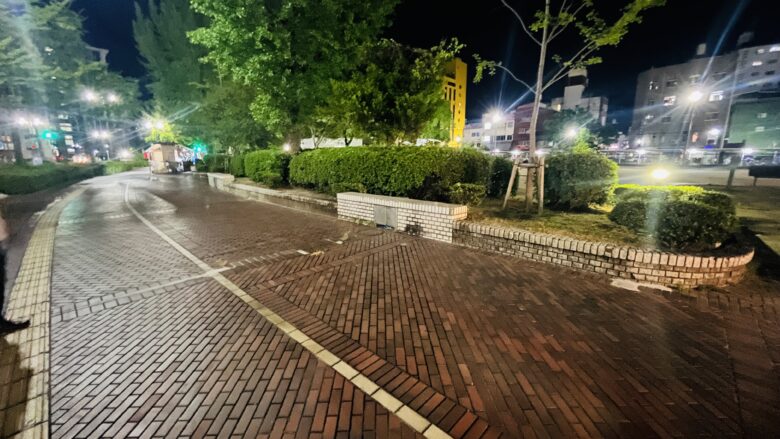
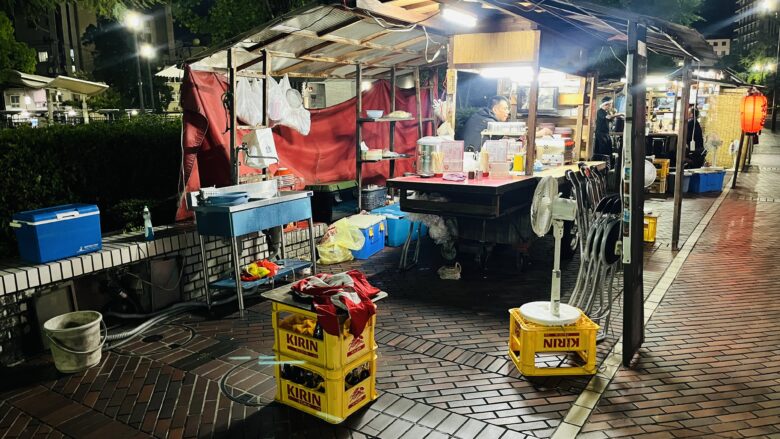
地域の歴史や文化について、そんなふうに考えてしまうことはないでしょうか。でも、呉市で見た「屋台」は少し違いました。 7月28日、会派視察の3日目。夜11時30分という遅い時間に、私たちは広島県呉市の蔵本通りを訪れました。そこにあったのは、昭和の面影を残す屋台街。中華そば、おでん、創作料理……。小さな屋台から明かりがこぼれ、仕事帰りの人や観光客などが思い思いに食事を楽しんでいました。
しかし、この屋台街は「昔から自然に残っている」わけではありません。実は一度、なくなる危機を迎えていたのです。「なくす」のではなく「活かす」。呉市が選んだ道。呉市の屋台文化は、大正時代から続いているとされています。戦後には復興を支える場や市民の憩いの場として親しまれてきましたが、昭和41年の道路交通法改正によって車道での営業ができなくなり、現在の蔵本通り周辺へ集約されました。さらに昭和末期には、景観整備などを理由に「一代限りで廃止」という方針が示された時期もあったそうです。
ところが、市民や屋台組合から「残してほしい」という声が上がりました。そこで呉市は、屋台を単なる「古いもの」として処分するのではなく、「呉にしかない文化」として捉え直しました。現在は14~15区画ほどの屋台が並び、市が給排水設備や電源などを整備。屋台事業者は、整った環境の中で営業できます。つまり行政が屋台を経営するのではなく、「民間が頑張れる土台」を行政がつくっているのです。
小さな設備が、大きな賑わいを生む
今回、特に興味深かったのが、行政が整備しているものです。派手な建物ではありません。「上水道」「排水設備」「電気設備」こうした、いわば「裏方」のインフラです。しかし、これが非常に重要です。例えば排水設備が整えば、油や汚水が道路や公園に流れ出すことを防げます。衛生環境が改善され、周辺住民との共生にもつながります。さらに、水道や電気を出店者が一から整備しなくてもよいため、新規参入のハードルも下がります。実際、屋台数が一時は1桁まで減少したものの、現在では市が空き区画を公募。最近の5区画の募集では3者が応募し、応募者全員が出店したとのことでした。なんと20代の若者が新たに屋台を始める例もありました。
「伝統を守る」というと、昔の姿をそのまま保存するイメージがあります。でも、本当の意味で文化を残すには、新しい人が入ってこられる仕組みが必要なのかもしれません。
屋台だからこそ生まれる「人の流れ」
夜の蔵本通りを歩いてみると、屋台には昔ながらの雰囲気がありながら、利用している人は意外なほど多様でした。かつての「屋台=常連の男性客」というイメージだけではありません。
・女性グループ
・家族連れ
・観光客
・出張者
・若い世代
さまざまな人が訪れています。創作料理など新しいジャンルの店もあり、「昔ながら」を残しながらも、時代に合わせて変化している。ここに、地域づくりの大きなヒントがあると感じました。地域の文化は、博物館に入れてしまえば守れるわけではありません。人が使い、人が集まり、人が商売をし、次の世代がそこに加わる。そうやって「生きた文化」として残っていくものなのだと思います。
秋田にも、すでに「ある」
今回の視察で私が考えたのは、秋田市にも同じような可能性があるのではないか、ということです。地域活性化というと、新しい施設を建設したり、大規模なイベントを開催したりすることに目が向きがちです。しかし、呉市の事例から学べるのは、必ずしも大きな投資が必要とは限らないということ。
すでに地域にある、「歴史」「文化」「商売」「人の営み」に、行政が必要な部分だけ手を入れる。そして、民間のアイデアや挑戦を引き出す。一見すると小さな水道や排水設備、電源の整備が、新規出店を生み、新しい客を呼び、地域の賑わいにつながっていく。これは、秋田市の中心市街地や地域の賑わいを考える上でも、非常に示唆の多い事例です。古いから残すのではなく、変わりながら残す。行政がすべてをやるのではなく、民間が動きやすい土台をつくる。今回、夜遅くの屋台街を歩きながら、そんな地域づくりの可能性を肌で感じました。
秋田にも「新しくつくる」のではなく、「すでにあるものを少し変えて活かす」ことで、もっと面白くなる場所がきっとあります。皆さんの地域にある「なくなってほしくないもの」「もっと活かせそうなもの」は何でしょうか。ぜひ、身近な地域をもう一度見渡してみてください。そこに、秋田の次の賑わいの種が眠っているかもしれません。私も議員として、地域にすでにある価値を見つけ、行政がどう支えれば新しい挑戦につながるのかを考え続けていきます。

【English】260728 — Akita City Council Group “Sosei to Ishin” Administrative Inspection (Day 3, Part 3): “It’s old, so we just have to keep it”—is that really the only way to think about it?
On the third night of our council group’s inspection trip, we visited Kuramoto-dori in Kure City, Hiroshima, at 11:30 p.m.—and found an old-style food stall (yatai) street still lit up and full of life. These stalls have been part of Kure since the 1920s, but they almost disappeared. A 1966 traffic law pushed them off the main roads and into this one street, and by the end of the Showa era, the city even planned to phase them out for good. Local residents and stall owners spoke up and asked the city to keep them. So Kure took a different approach: instead of treating the stalls as old-fashioned, it decided they were a culture unique to the city worth protecting.
Today about 14–15 stalls line the street, and the city provides the “behind-the-scenes” infrastructure—water, drainage, and electricity—so stall owners don’t have to build it themselves. That small investment matters a lot: better drainage keeps the street clean, and not having to install your own utilities makes it much easier for someone new to start a stall. It’s working—when the city recently opened up 5 empty spots, 3 people applied, and all of them opened stalls, including one in their twenties.
Walking the street, the crowd wasn’t what I expected either: women out together, families, tourists, business travelers, and young people, alongside new-style dishes next to the classic ramen and oden. Culture doesn’t survive by being frozen in a museum—it survives when people keep using it, gathering in it, and doing business in it, generation after generation.
This got me thinking about Akita. We don’t always need a big new building or a flashy event. Sometimes what we need is already here—our history, culture, and local businesses—and city government just needs to add the small pieces that let private ideas grow. A little water line or power hookup can bring in new shops, new customers, and new energy. Not “keep it because it’s old,” but “keep it by letting it change.” Not government running everything, but government building the ground that private effort can stand on. What’s something in your neighborhood that shouldn’t disappear—or could be put to better use? Take another look around; the seeds of Akita’s next lively spot might already be there.
【Español】260728 — Visita de estudio de la agrupación “Sosei to Ishin” del Concejo Municipal de Akita (Día 3, parte 3): “Es antiguo, así que no queda más que conservarlo”—¿de verdad es la única forma de verlo?
En la tercera noche de nuestro viaje de inspección municipal, visitamos Kuramoto-dori, en la ciudad de Kure (Hiroshima), a las 11:30 p.m., y encontramos una calle de puestos de comida (yatai) al estilo antiguo, todavía iluminada y llena de vida. Estos puestos existen desde los años 1920, pero casi desaparecen. Una ley de tránsito de 1966 los sacó de las calles principales y los concentró en esta sola calle, y a finales de la era Showa, la ciudad incluso planeaba eliminarlos por completo. Los vecinos y los dueños de los puestos pidieron que se conservaran. Entonces Kure cambió de enfoque: en lugar de ver los puestos como algo pasado de moda, decidió que eran una cultura única de la ciudad, digna de proteger.
Hoy hay unos 14 o 15 puestos en la calle, y la ciudad se encarga de la infraestructura “detrás de escena”: agua, drenaje y electricidad, para que los dueños no tengan que instalarla ellos mismos. Esa pequeña inversión importa mucho: un buen drenaje mantiene limpia la calle, y no tener que instalar servicios propios facilita muchísimo que alguien nuevo empiece un negocio. Y funciona: cuando la ciudad abrió recientemente 5 espacios vacíos, se presentaron 3 personas, y todas abrieron su puesto, incluida una persona de veintitantos años.
Al caminar por la calle, la clientela tampoco era la que esperaba: grupos de mujeres, familias, turistas, viajeros de negocios y gente joven, junto a platillos nuevos al lado del clásico ramen y el oden. Una cultura no sobrevive congelada en un museo; sobrevive cuando la gente sigue usándola, reuniéndose en ella y haciendo negocios ahí, generación tras generación.
Esto me hizo pensar en Akita. No siempre necesitamos un edificio nuevo o un evento llamativo. A veces lo que hace falta ya está aquí —nuestra historia, cultura y negocios locales— y el gobierno municipal solo necesita añadir las piezas pequeñas que permitan crecer a las ideas privadas. Una simple conexión de agua o electricidad puede traer nuevos negocios, nuevos clientes y nueva energía. No se trata de “conservarlo porque es viejo”, sino de “conservarlo dejándolo cambiar”. No es que el gobierno lo haga todo, sino que construya la base sobre la cual el esfuerzo privado pueda sostenerse. ¿Qué hay en su comunidad que no debería desaparecer, o que podría aprovecharse mejor? Vuelvan a mirar a su alrededor: ahí podrían estar las semillas del próximo lugar animado de Akita.