
「バスが減るのは、人口が減っているから仕方がない」――本当にそうでしょうか。
人口減少、マイカー依存、運転士不足。秋田市でも、公共交通を取り巻く環境は年々厳しくなっています。
利用者が減る
↓
便数を減らす、最終便を削る
↓
「バスは不便」と感じる人が増える
↓
さらに利用者が減る。
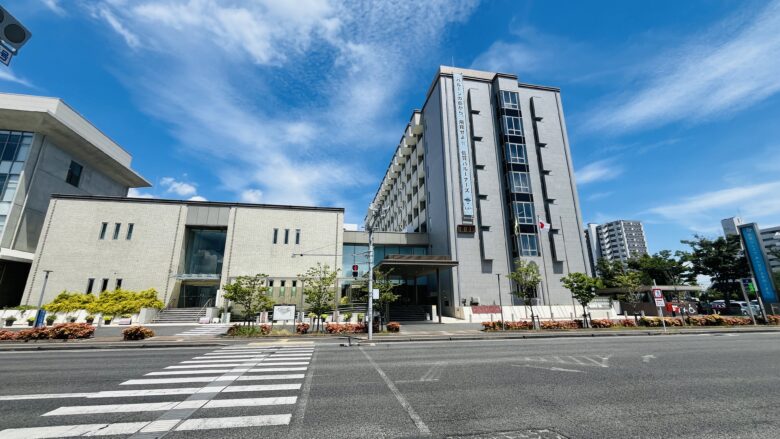
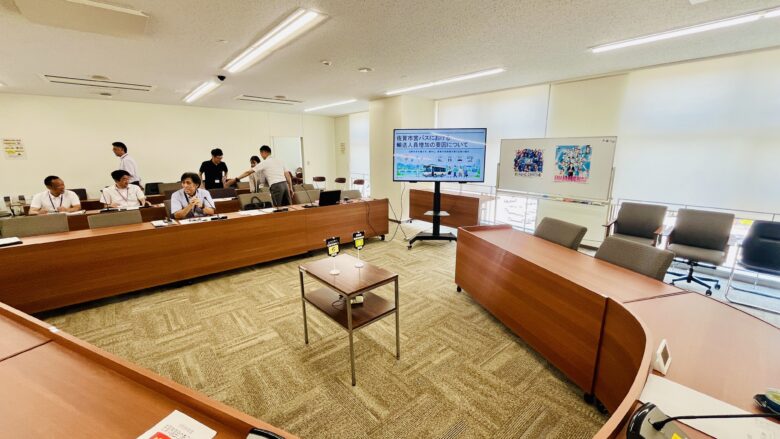
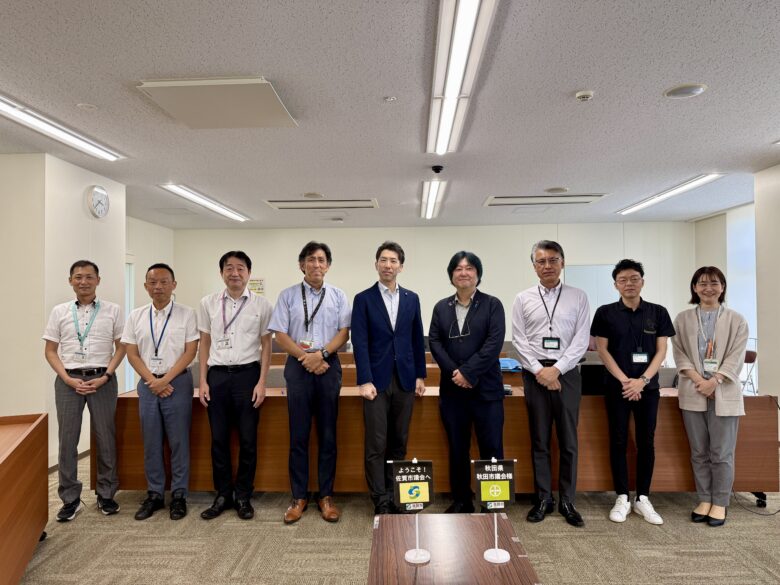
そんな「負の連鎖」に陥ってしまうと、公共交通を立て直すのは簡単ではありません。今回、私たち「そうせいと維新」が視察した佐賀市営バスでは、まったく逆の発想で公共交通の再生に取り組んでいました。テーマは、ずばり「縮小ではなく、利用者を増やす」。秋田市のこれからを考える上でも、多くのヒントが詰まった視察となりました。
「減らす」から「増やす」へ。佐賀市営バスの発想
佐賀市は人口約22万7千人。自家用車の保有率が高く、自転車利用も盛んな地域です。つまり、バスにとって決して「恵まれた市場」ではありません。それでも佐賀市営バスは、平成17年頃から輸送人員が回復傾向となり、コロナ禍による落ち込みを経て、令和4年頃から再び増加。直近3年間では大きく利用者を伸ばしています。
その背景にあるのが、
・利用者を離さない
・新しい利用者を増やす
・「バスは不便」というイメージを変える
・一つの施策に頼らず、小さな改善を積み重ねる
という考え方です。
特に印象に残ったのが「最終便を削らない」という方針。「今日は遅くなっても、最後のバスがある」この安心感は、数字には表れにくいものですが、公共交通にとって非常に大切です。一度「もうバスでは帰れない」と思われてしまえば、その人はマイカーなど別の移動手段へ流れてしまうかもしれません。だからこそ、厳しいときに何を守るのかを明確にする。これは公共交通だけでなく、行政サービス全般を考える上でも大切な視点だと感じました。
高校生を「未来の利用者」にする
佐賀市営バスの取り組みで、もう一つ驚いたのが中高生向けの定額制「ノリのりワイド」です。料金は、
・1か月4,000円
・3か月11,000円
・6か月20,000円
高校生の自転車利用が多い地域で、あえて高校生をターゲットにした施策です。現在の利用者は2,000人を超えています。導入当初には「もっと料金を取らなくていいのか」「収入が減るのではないか」という声もあったそうです。しかし、ここで佐賀市が考えたのは「今、いくら儲かるか」だけではありませんでした。高校生の頃にバスを使う習慣ができれば、卒業後もバスを利用するかもしれない。つまり、高校生を「現在の利用者」ではなく「未来の利用者」として捉えているのです。実際に、卒業後に就職してからもバスを利用している若い世代がいるとのことで、今後は大学と連携し、高校時代のバス利用が将来の利用につながっているのか分析することも検討しているそうです。
公共交通を「移動のサービス」とだけ考えるのではなく、「利用する文化を育てるもの」と考える。これは秋田市にも十分応用できる発想ではないでしょうか。
バスは「乗り物」だけじゃない。人を呼び込む仕掛けづくり
佐賀市営バスでは、利用者に「バスって、ちょっと面白い」と思ってもらう工夫もしています。例えば、
・バスのラッピングや車内外のデコレーション
・運転手がサンタクロースになる企画
・乗り方教室
・バスセンターまつり
・無料デー
・「名物運転手」の紹介
・雨の日やイベント時の臨時便
などです。
秋田で言えば、「ばばへらアイス」のバラ盛り名人が話題になるように、運転手さん自身を「名物」にしてしまう。こうした「人の顔が見える公共交通」は、単なる移動手段以上の親しみを生みます。そして、運転士不足への対応も「これさえやれば大丈夫」という特効薬ではありませんでした。令和6年以降だけでも10の取り組みを実施。会計年度任用職員から正規職員への内部登用制度では、これまで39人を採用し、中途退職者は2人。定着率は約95%です。担当者から出た「特効薬はない」という言葉が、とても印象に残りました。採用、待遇、職場環境、PR、内部登用など、一つひとつを積み重ねる。派手ではなくても、こうした地道な改善が組織を強くしていくのだと思います。
さらに佐賀市では、AIオンデマンドバスや自動運転バスにも挑戦しています。約1.5kmの区間で実証実験を行い、路上駐車車両への対応や大型車とのすれ違い、降雪・積雪への対応、EVバスのバッテリー性能などを検証しています。令和9年度中のレベル4認可、令和10年度中の運行開始を目指していますが、当面は保安員を配置する予定とのこと。秋田では「雪」という、佐賀とは異なる大きな課題があります。だからこそ、他都市の成功例をそのまま持ってくるのではなく、「秋田ならどうするか」に置き換えて考えることが必要です。
「ピンチはチャンス」に変えられるか
今回の視察で最も心に残ったのは、佐賀市営バスが「利用者が減ったから仕方がない」という発想をしていなかったことです。人口減少も、マイカー依存も、運転士不足もあります。それでも、
「どうしたらバスに乗りたくなるのか」
「どうしたら若い世代に利用してもらえるのか」
「どうしたら一度乗った人に使い続けてもらえるのか」
を考え続けています。そして、将来的には交通局そのものを、バスだけではなく、さまざまな移動手段が集まる「SAGAモビリティセンター」へ転換する構想も進めています。
公共交通を守るということは、バスという乗り物だけを守ることではありません。
「出かけたいときに出かけられる」
「帰りたいときに帰れる」
「車を運転できなくなっても暮らしていける」
そんな地域の暮らしを守ることです。秋田市も、人口減少や運転士不足という課題から逃れることはできません。だからこそ、「減らすしかない」と決めつける前に、佐賀市のように「どうすれば増やせるのか」を考えてみる。今回の視察で得たヒントを、秋田市の公共交通政策にしっかり生かしていきたいと思います。
皆さんも、ぜひ一度、普段使っていないバスに乗ってみてください。利用する人が増えれば、公共交通の未来も変わります。「バスを残してほしい」と願うだけでなく、「どうすれば乗りたくなるバスになるのか」を一緒に考えること。その一歩から、秋田の公共交通の未来を変えていきましょう。
【English】260728 — Akita City Council Group “Sosei to Ishin” Administrative Inspection (Day 3, Part 2): Can We Turn the Decline of Public Transportation Around?
“Buses are disappearing because the population is shrinking. There’s nothing we can do about it.” But is that really true? Population decline, car dependence, and a shortage of bus drivers are making public transportation increasingly difficult to maintain in Akita City. Fewer passengers → fewer services and earlier last buses → more people feel that buses are inconvenient → even fewer passengers. This negative cycle can be very difficult to stop.
During our visit to Saga City, however, we saw a completely different approach. Instead of simply cutting services, Saga City is trying to increase the number of people who use buses. There were many lessons that could be useful for Akita.
From “cutting services” to “increasing users.” Saga City has a population of about 227,000. Many people own cars, and bicycles are also widely used, so it is not an easy environment for buses. Even so, the number of bus passengers has been recovering, and it has increased significantly in recent years. The city focuses on keeping current passengers, attracting new ones, changing the image that “buses are inconvenient,” and making many small improvements rather than relying on one big solution.
One policy that particularly impressed me was the decision not to cut the last bus of the day. Knowing that “even if I finish late, there is still a bus home” gives people a sense of security. It may not show up clearly in the statistics, but it is very important. Once people believe that they cannot get home by bus, they may switch permanently to cars or other forms of transportation. This taught me that when resources are limited, we need to decide clearly what we must protect.
Making high school students future passengers. Saga City also offers a flat-rate bus pass called “Nori Nori Wide” for junior and senior high school students. It costs ¥4,000 per month, ¥11,000 for three months, or ¥20,000 for six months. In an area where many high school students normally use bicycles, the city deliberately chose them as a target group. More than 2,000 students now use the program.
At first, some people wondered whether the price was too low and whether the city would lose revenue. But Saga City was thinking beyond the short term. If students develop the habit of taking buses while they are young, they may continue using them after graduation. In other words, the city sees students not only as today’s passengers, but as tomorrow’s passengers. This is an idea that Akita City could also learn from.
A bus is more than a vehicle. Saga City also works to make buses more enjoyable and familiar. Examples include decorated buses, drivers dressed as Santa Claus, lessons on how to ride buses, bus festivals, free-riding days, introducing popular drivers, and extra services on rainy days or during events.
In Akita, for example, people sometimes become fans of a particular “babahera” ice cream seller because of their skill at making beautiful servings. In the same way, bus drivers can become familiar local personalities. When passengers can see the people behind the service, public transportation becomes more than just a way to get from A to B.
There is also no single magic solution to the driver shortage. Saga City has introduced 10 different measures since fiscal 2024, including an internal promotion system from fixed-term municipal employment to regular positions. So far, 39 people have been hired through this system, with only two leaving before retirement—a retention rate of about 95%. The words of the staff member stayed with me: “There is no magic bullet.” Hiring, pay and working conditions, workplace culture, public relations and career opportunities all matter. Small improvements may not look exciting, but they can make an organization stronger.
Saga City is also testing AI on-demand buses and autonomous buses. The city is examining issues such as illegally parked cars, passing large vehicles, snow and ice, and EV battery performance. It aims to obtain Level 4 approval in fiscal 2027 and begin operations in fiscal 2028, initially with safety staff on board. Akita has a major challenge that Saga does not: snow. That is why we cannot simply copy another city’s solution. We need to ask, “How would this work in Akita?”
Can we turn a challenge into an opportunity? The biggest lesson from this visit was that Saga City did not simply say, “Passenger numbers are falling, so there is nothing we can do.” Instead, it keeps asking: How can we make people want to take the bus? How can we attract younger passengers? How can we encourage people to keep using the bus? The city is even considering transforming its transportation department into a broader “SAGA Mobility Center,” bringing together different forms of transportation.
Protecting public transportation does not simply mean protecting buses. It means protecting a way of life: being able to go out when you want, being able to get home, and being able to continue living in your community even when you can no longer drive.
Akita City also faces population decline and a shortage of drivers. But before deciding that “we have no choice but to reduce services,” I believe we should ask, as Saga City does, “What can we do to increase the number of people who want to use public transportation?” I want to apply what I learned from this visit to Akita’s transportation policies.
I encourage you to try taking a bus you do not normally use. More passengers can help change the future of public transportation. Rather than simply saying, “Please keep our buses,” let’s think together about how to make buses something people actually want to use. That may be the first step toward changing the future of public transportation in Akita.
【Español】260728 — Visita de estudio de la agrupación “Sosei to Ishin” del Concejo Municipal de Akita (Día 3, parte 2): ¿Podemos cambiar el rumbo del transporte público?
“Si hay menos buses es porque la población está disminuyendo. No hay nada que hacer.” ¿De verdad es así? En Akita, la disminución de la población, la dependencia del automóvil y la falta de conductores están haciendo cada vez más difícil mantener el transporte público. Menos pasajeros → menos servicios y horarios más cortos → más personas sienten que el bus es incómodo → todavía menos pasajeros. Romper este círculo vicioso no es fácil.
Durante nuestra visita a Saga, sin embargo, conocimos una idea diferente: en lugar de simplemente reducir los servicios, la ciudad busca aumentar el número de personas que utilizan los buses. Creo que hay muchas lecciones que podemos aplicar en Akita.
De “reducir” a “aumentar usuarios”. Saga tiene unos 227.000 habitantes y una alta dependencia del automóvil. Aun así, el número de pasajeros de sus buses se ha recuperado y ha aumentado en los últimos años. La ciudad trabaja para mantener a los usuarios actuales, atraer nuevos pasajeros, cambiar la imagen de que “el bus es incómodo” y mejorar poco a poco muchos aspectos del servicio.
Una medida que me llamó especialmente la atención fue no eliminar el último bus del día. Saber que “aunque salga tarde, todavía puedo regresar a casa en bus” da tranquilidad. Quizás esto no se refleje fácilmente en las estadísticas, pero es muy importante. Cuando una persona piensa que ya no puede regresar a casa en bus, puede terminar cambiando definitivamente al automóvil.
Convertir a los estudiantes en futuros usuarios. Saga también ofrece a estudiantes de secundaria un pase de tarifa fija llamado “Nori Nori Wide”: ¥4.000 al mes, ¥11.000 por tres meses o ¥20.000 por seis meses. En una zona donde muchos jóvenes utilizan bicicleta, la ciudad decidió precisamente atraer a este grupo. Actualmente lo utilizan más de 2.000 estudiantes.
La idea va más allá de obtener ingresos hoy. Si los jóvenes adquieren el hábito de utilizar el bus, podrían seguir haciéndolo después de graduarse. Es decir, Saga no los ve solamente como usuarios actuales, sino como usuarios del futuro. Considero que esta forma de pensar también puede ser útil para Akita.
El bus es más que un medio de transporte. Saga también busca que utilizar el bus sea algo más atractivo y cercano. Hay buses decorados, actividades donde los conductores se disfrazan de Santa Claus, clases para aprender a utilizar el bus, festivales, días gratuitos, presentación de conductores populares y servicios adicionales durante eventos o días de lluvia.
En Akita, por ejemplo, algunas personas se hacen famosas por su habilidad para preparar hermosas porciones de “babahera”, nuestro conocido helado callejero. De manera similar, los propios conductores pueden convertirse en personas conocidas y queridas por la comunidad. Cuando conocemos a las personas que están detrás del servicio, el transporte público se vuelve más cercano.
Para enfrentar la falta de conductores tampoco existe una solución mágica. Saga ha puesto en marcha 10 medidas desde 2024, incluyendo un sistema para que empleados municipales temporales puedan convertirse en empleados permanentes. Hasta ahora, 39 personas han sido contratadas mediante este sistema y solamente dos se han retirado antes de tiempo, lo que representa una permanencia de aproximadamente 95 %. Una frase del personal quedó especialmente en mi memoria: “No existe una solución mágica.” Contratación, condiciones laborales, ambiente de trabajo, promoción y oportunidades de desarrollo: todo suma. Las pequeñas mejoras pueden parecer poco llamativas, pero fortalecen una organización.
Saga también está probando buses bajo demanda con inteligencia artificial y buses autónomos. Entre otras cosas, están estudiando cómo responder a vehículos estacionados ilegalmente, el cruce con vehículos grandes, la nieve y el rendimiento de las baterías de los buses eléctricos. La ciudad busca obtener la autorización de Nivel 4 en 2027 y comenzar la operación en 2028, inicialmente con personal de seguridad. En Akita tenemos un desafío que Saga prácticamente no tiene: la nieve. Por eso, no podemos copiar simplemente las soluciones de otras ciudades. Debemos preguntarnos: “¿Cómo lo haríamos en Akita?”
¿Podemos convertir los problemas en oportunidades? Lo que más me impresionó fue que Saga no piensa simplemente: “Hay menos pasajeros, así que no podemos hacer nada”. En cambio, sigue preguntándose: ¿cómo podemos hacer que las personas quieran utilizar el bus? ¿Cómo podemos atraer a los jóvenes? ¿Cómo podemos lograr que quienes lo usan una vez sigan utilizándolo? Incluso existe una visión para transformar el departamento de transporte en un “SAGA Mobility Center”, donde se integren diferentes medios de transporte.
Proteger el transporte público no significa solamente proteger los buses. Significa proteger una forma de vida: poder salir cuando queremos, poder regresar a casa y poder seguir viviendo en nuestra comunidad aunque algún día ya no podamos conducir.
Akita también enfrenta la disminución de la población y la falta de conductores. Precisamente por eso, antes de decir “no queda otra opción que reducir los servicios”, quiero que pensemos, como lo hace Saga, “¿qué podemos hacer para que más personas quieran utilizar el transporte público?” Quiero aprovechar lo aprendido en esta visita para mejorar las políticas de transporte público de Akita.
Los invito a probar alguna vez un bus que normalmente no utilizan. Si aumentan los usuarios, también puede cambiar el futuro del transporte público. En lugar de simplemente decir “queremos conservar los buses”, pensemos juntos cómo hacer que sean un servicio que realmente queramos utilizar. Ese puede ser el primer paso para cambiar el futuro del transporte público de Akita.