
議員として行政視察に参加すると、「他の自治体はどんな施設を造っているのだろう」という視点の方が多いかもしれません。しかし、私が毎回注目しているのは建物そのものではありません。その施設や制度の背景にある「なぜ、それを始めたのか」「どんな思いで続けているのか」という考え方です。
今回、厚生委員会では静岡県三島市、焼津市、愛知県豊橋市を訪問し、健康づくり、子どもの居場所づくり、相談支援体制について学びました。それぞれ内容は異なりますが、共通していたのは「行政だけで完結させない」「人と人とのつながりを大切にする」という姿勢でした。
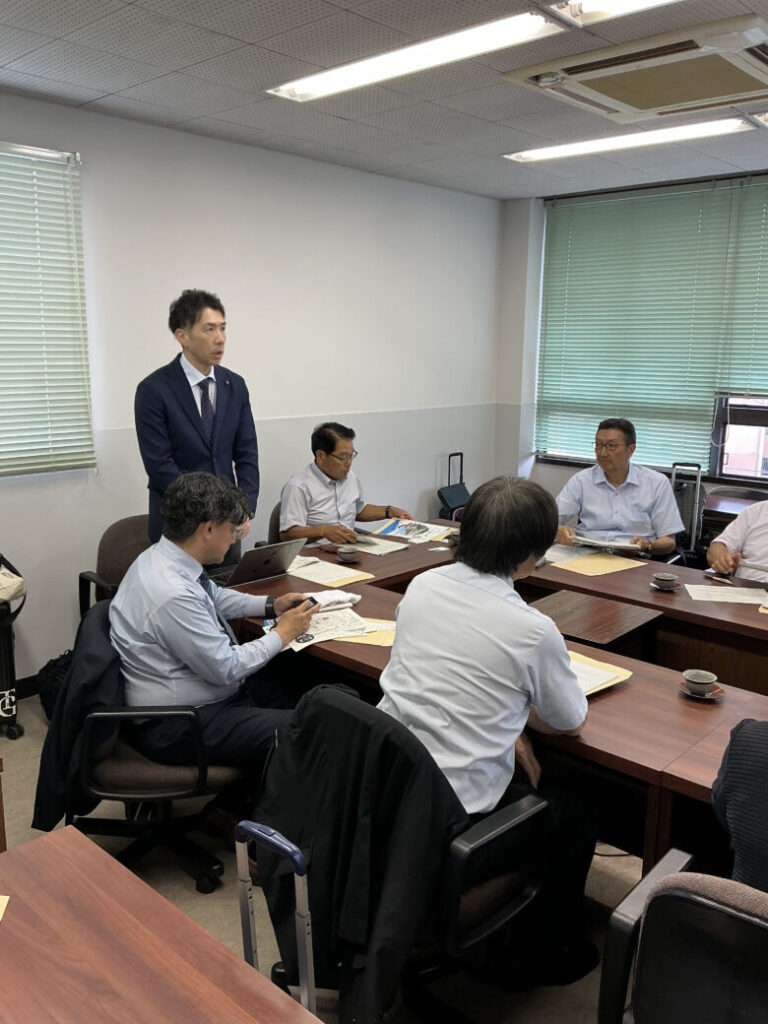
健康づくりは「歩くこと」からまちづくりへ
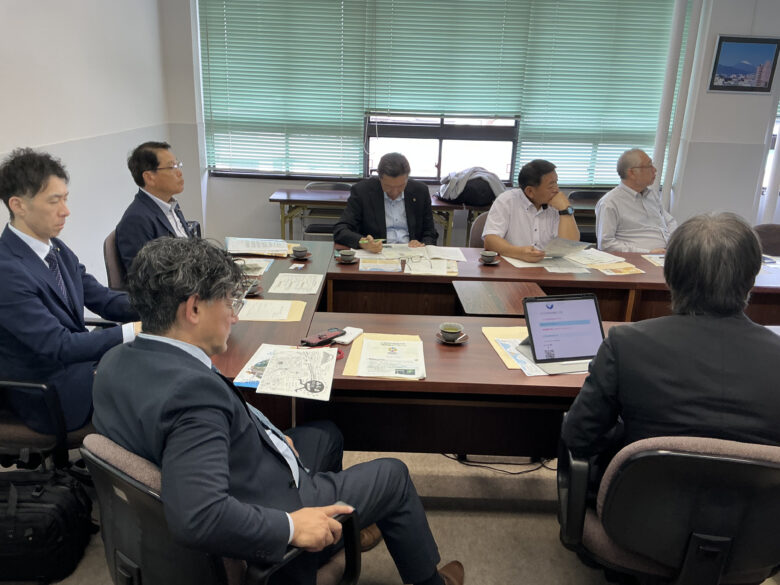
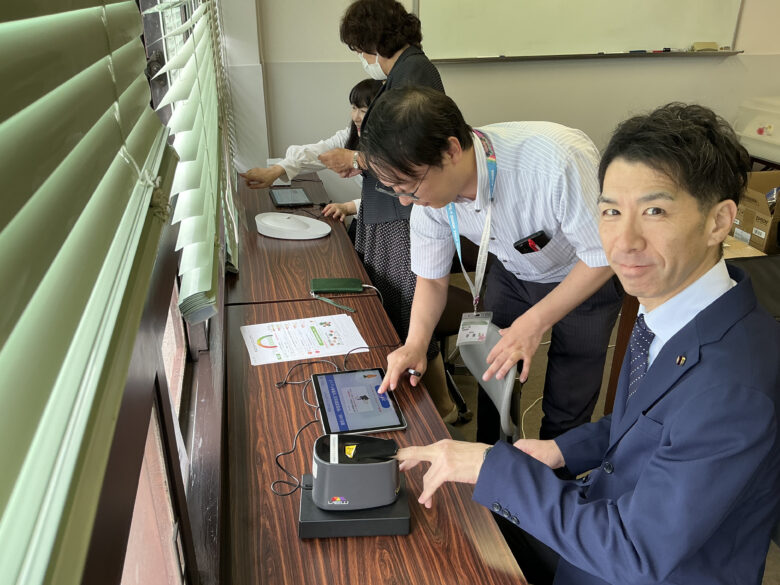
最初に訪れた三島市では、「スマートウエルネスみしま」の取組を視察しました。印象的だったのは、健康づくりを医療や運動だけの話にしていないことです。花や湧水のある景観づくり、市民ボランティアとの協働、健康アプリ「KENPOS」、健康マイレージなどを組み合わせ、「気が付いたら健康になっていた」という仕組みづくりが進められていました。
さらに、
・地域活動への参加でもポイントが貯まる
・高校生と地域住民が一緒に地域づくりを行う
・女性のスポーツ習慣づくりやプレコンセプションケア
など、人生全体を見据えた政策が展開されていました。特に心に残ったのは、「人生を点ではなく線で考える」という言葉です。健康は病気にならないことではなく、暮らし方や人とのつながりを含めた「生き方」そのものなのだと改めて感じました。
子どもの笑顔が、まち全体を元気にする
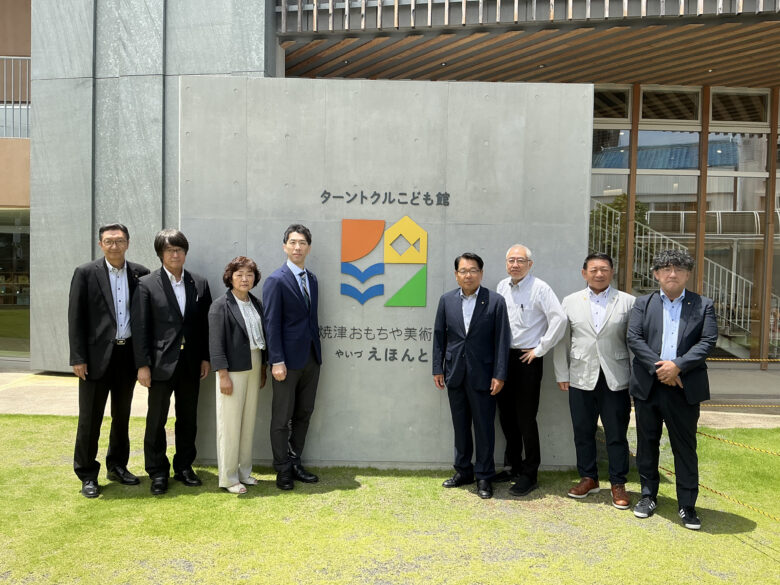
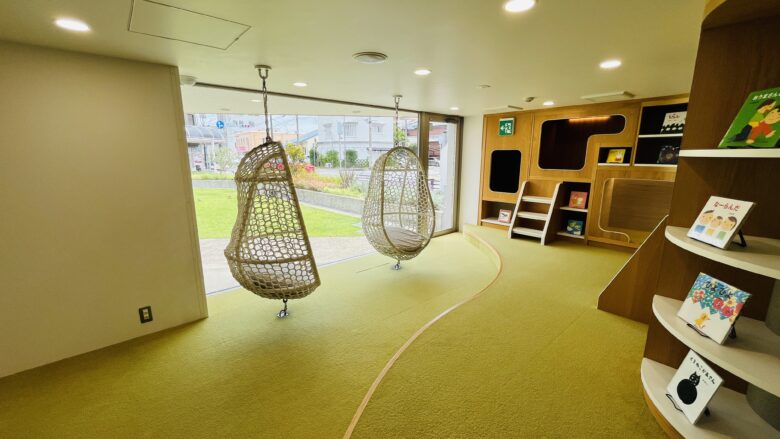
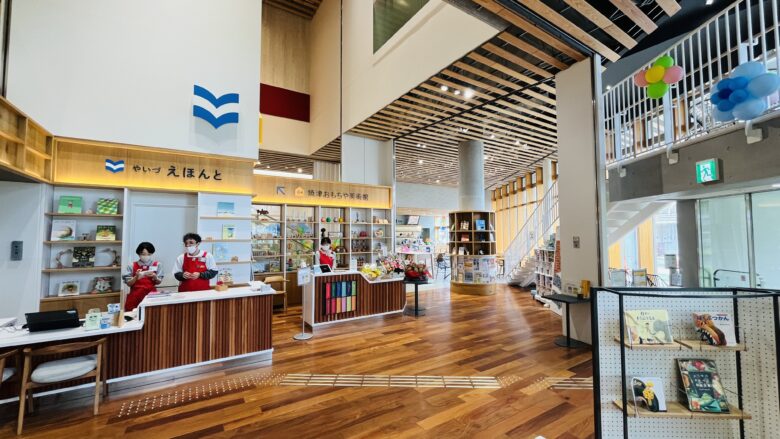
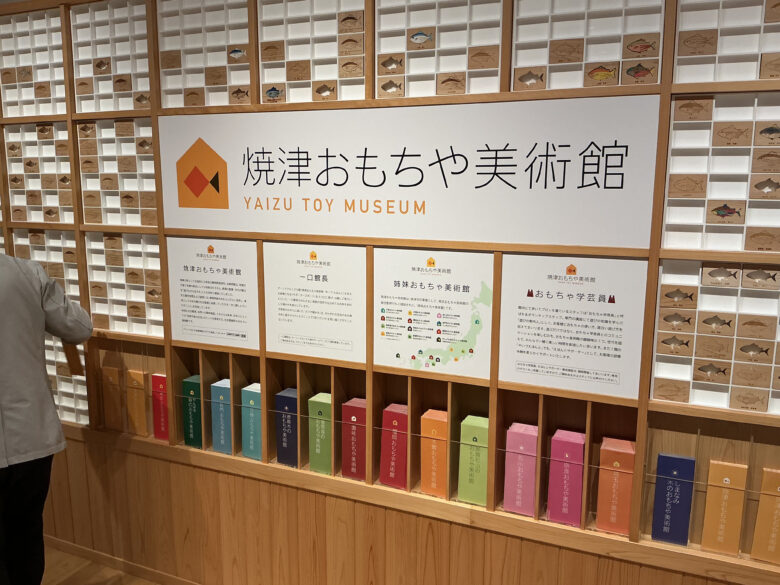
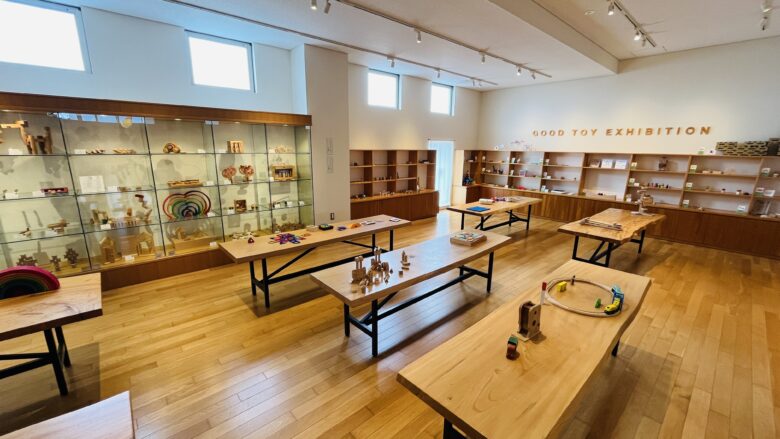
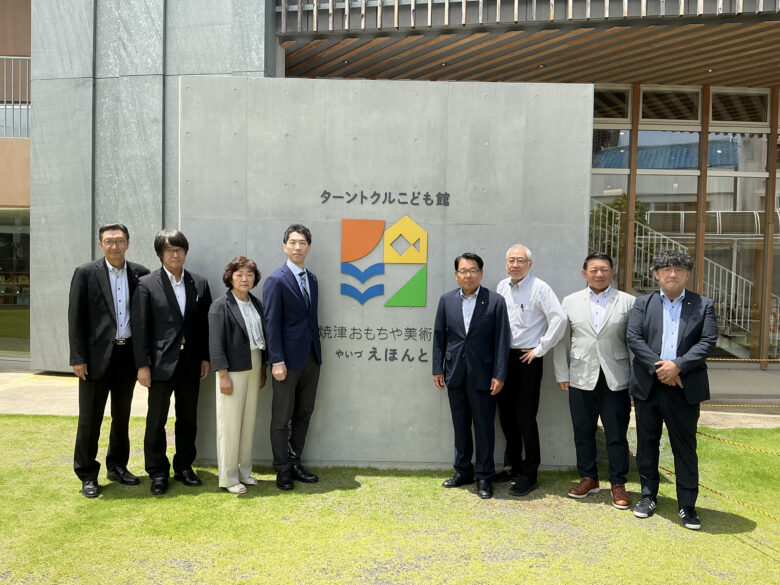
2日目は焼津市の「ターントクルこども館」を視察しました。「集い・遊び・学び」をテーマにした施設ですが、実際に見学すると、それ以上の役割を担っていることが分かります。施設には年間約9万人が訪れ、市外利用者は約7割。子ども施設でありながら、駅前商店街への人の流れを生み、新たな出店にもつながっているそうです。
施設運営にも驚きました。
・約250人のおもちゃ学芸員(ボランティア)が活動
・指定管理方式による効率的な運営
・年間約1,500万円の黒字を確保
・図書館ではなく「滞在したくなる空間」として本を配置
公共施設は維持費がかかるもの、という固定観念を少し変えてくれる視察でした。「子どものため」が、「まち全体の元気」につながっている好例だと感じます。
相談できる場所があることは、未来への安心になる
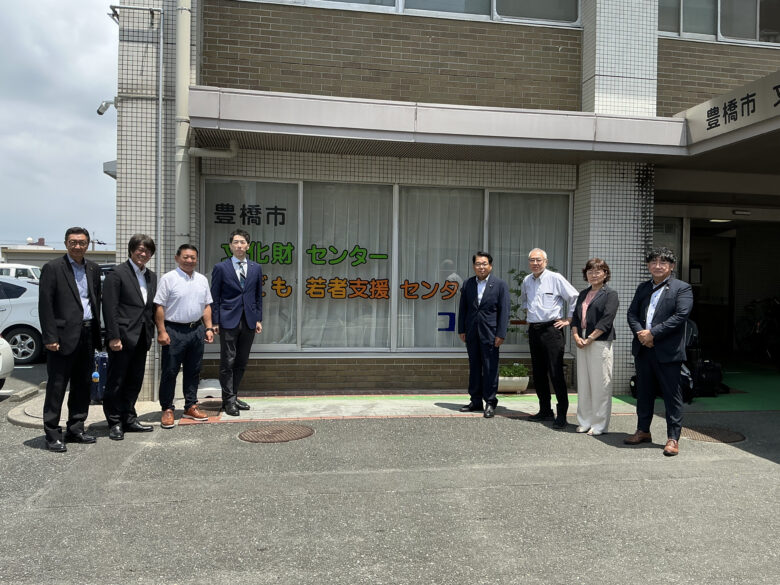
3日目は豊橋市の「こども若者支援センター ココエール」を訪問しました。ここでは、妊娠・出産から子育て、若者の自立までを一つの窓口で支えるワンストップ型の相談支援を行っています。平成24年に発生した児童虐待による痛ましい事案を教訓に整備された施設ですが、その後の取組は非常に丁寧でした。
例えば、
・毎月の実務者会議による多機関連携
・年間約50回の個別ケース会議
・ヤングケアラー支援コーディネーターが全学校を訪問
・小学4年生から中学3年生全員へ相談カードを配布
・学習用タブレットにも相談窓口を掲載
など、困ってから相談するのではなく、「困った時にすぐ相談できる状態」を普段からつくっていることが印象的でした。
私は保護司としても活動していますが、支援は制度だけでは成り立ちません。「話を聞いてくれる人がいる」という安心感こそが、最初の支援なのだと改めて感じました。
秋田市でも活かせるヒントはたくさんある
今回の3日間の視察で共通して感じたのは、「行政サービスを提供する」ことが目的ではなく、「市民が主体的に関われる仕組み」を丁寧につくっていることでした。健康づくりも、子どもの居場所も、相談支援も、一つの部署だけで進めるのではなく、教育、福祉、地域、企業、市民が連携することで大きな力を生み出しています。
秋田市にも素晴らしい取組は数多くあります。しかし、他都市の工夫を知ることで、新しい視点や改善のヒントが見えてきます。行政視察は「見て終わり」では意味がありません。学んだことを秋田市の政策にどう生かすかが最も重要です。今回得た多くの気づきを、今後の議会活動や政策提案につなげ、市民の皆さんに還元していきたいと思います。
これからも現場に足を運び、全国の優れた取組を学びながら、「秋田らしい形」に置き換えて還元できるよう取り組んでいきたいと思います。
出張報告書はこちら
【English】July 6–8, 2026 – Ideas for Supporting People: What I Learned from Administrative Study Visits
When people hear that city council members join study visits to other cities, many may think we mainly look at new buildings or facilities. However, what I pay the most attention to is not the buildings themselves. I want to understand the ideas behind them: Why did they start this project? and Why have they continued it? During this trip, the Welfare Committee visited Mishima City and Yaizu City in Shizuoka Prefecture, and Toyohashi City in Aichi Prefecture. We learned about health promotion, places for children to spend time safely, and support systems for people who need advice. Although each city had different programs, they all shared the same idea: government cannot do everything alone, and strong communities are built by connecting people with one another.
Health Promotion Starts with Walking—and Leads to Better Communities
Our first visit was to Mishima City’s Smart Wellness Mishima program. What impressed me most was that they do not think about health only as medicine or exercise. They combine beautiful streets with flowers and spring water, volunteer activities, the KENPOS health app, and a health points program to create a city where people naturally become healthier in their daily lives.
People can earn points by joining community activities. High school students work together with local residents on community projects. The city also supports women’s sports activities and preconception care. These programs help people throughout every stage of life.
One phrase especially stayed with me: “Think about life as a continuous journey, not as separate moments.” Good health is not only about avoiding illness. It is also about how we live and how we connect with other people.
Children’s Smiles Can Bring New Energy to a City
On the second day, we visited Turnkuru Children’s Center in Yaizu City. The center is built around three ideas: gathering, playing, and learning. But after seeing it in person, I realized it does much more than that.
About 90,000 people visit the center every year, and about 70 percent come from outside the city. Even though it is a children’s facility, it also brings more visitors to the shopping district near the station and has encouraged new businesses to open.
The way the center is managed was also impressive. Around 250 volunteer toy instructors help run the programs. The facility is managed efficiently through a designated management system and even earns an annual operating surplus of about 15 million yen. Instead of treating books like a traditional library, they create comfortable spaces where people naturally want to stay and read.
This visit reminded me that public facilities do not always have to be expensive to maintain. A facility built for children can also bring new life to the entire community.
Having Someone to Talk to Brings Hope for the Future
On the third day, we visited Coco Yell, the Children and Youth Support Center in Toyohashi City. This center provides one-stop support, from pregnancy and childbirth to child raising and helping young people become independent.
The center was created after a tragic child abuse case in 2012, and its support system has been carefully developed ever since.
For example, professionals from different organizations meet every month. Around 50 case conferences are held each year. A coordinator for young caregivers visits every school. Every fourth-grade elementary student through third-year junior high school student receives a counseling information card, and support information is also available on school learning tablets.
What impressed me most was that the city does not wait until people ask for help. Instead, it makes sure everyone already knows where to turn when they need support.
As a probation officer, I also believe that support is not only about systems and services. Sometimes, simply knowing that someone is ready to listen is the first and most important step.
Many Good Ideas Can Be Used in Akita City
After these three days, I realized that the goal is not simply to provide government services. The real goal is to create a community where people themselves can take part.
Whether it is health promotion, children’s spaces, or consultation services, these cities bring together education, welfare, local communities, businesses, and citizens instead of leaving everything to one department.
Akita City already has many excellent programs. At the same time, learning from other cities gives us new ideas and helps us improve our own work.
A study visit has value only if we use what we have learned. I hope to apply these ideas to future policy proposals and return the benefits to the people of Akita.
I will continue visiting communities across Japan, learning from successful examples, and adapting those ideas into solutions that fit Akita’s own strengths.
【Español】6–8 de julio de 2026 – Ideas para apoyar a las personas: lo que aprendí en una gira de estudio administrativo
Cuando la gente escucha que los concejales municipales realizan visitas de estudio a otras ciudades, muchas personas piensan que lo principal es conocer edificios o instalaciones nuevas. Sin embargo, lo que más me interesa no son los edificios en sí. Lo que quiero entender es la idea que hay detrás de ellos: ¿Por qué comenzaron este proyecto? ¿Y por qué lo han mantenido con el paso del tiempo? En esta ocasión, la Comisión de Bienestar visitó las ciudades de Mishima y Yaizu, en la prefectura de Shizuoka, y la ciudad de Toyohashi, en la prefectura de Aichi. Aprendimos sobre la promoción de la salud, espacios seguros para la niñez y sistemas de apoyo para quienes necesitan orientación. Aunque cada ciudad tenía programas diferentes, todas compartían la misma idea: el gobierno no puede hacerlo todo solo, y una comunidad fuerte se construye conectando a las personas entre sí.
La promoción de la salud comienza caminando y termina fortaleciendo a la comunidad
Nuestra primera visita fue al programa Smart Wellness Mishima. Lo que más me impresionó fue que no consideran la salud únicamente como medicina o ejercicio. Combinan calles con flores y manantiales, actividades de voluntariado, la aplicación de salud KENPOS y un sistema de puntos para crear una ciudad donde las personas mejoran su salud casi sin darse cuenta.
Las personas pueden ganar puntos al participar en actividades comunitarias. Estudiantes de secundaria trabajan junto con vecinos en proyectos para mejorar la comunidad. Además, la ciudad impulsa la práctica deportiva de las mujeres y la atención preconcepcional. Son políticas que acompañan a las personas durante todas las etapas de su vida.
Hubo una frase que me quedó muy grabada: “Hay que pensar la vida como un camino continuo, no como momentos separados.” La salud no consiste solamente en evitar enfermedades. También tiene que ver con la forma en que vivimos y con nuestras relaciones con otras personas.
La sonrisa de la niñez también puede dar vida a toda una ciudad
El segundo día visitamos el Centro Infantil Turnkuru de la ciudad de Yaizu. Su concepto es reunir, jugar y aprender. Pero al recorrer el lugar entendí que cumple una función mucho más amplia.
Cada año recibe alrededor de 90.000 visitantes, y aproximadamente el 70 % proviene de otras ciudades. Aunque es un espacio para la niñez, también atrae personas al centro comercial cercano a la estación y ha favorecido la apertura de nuevos negocios.
La forma de administrar el centro también fue muy interesante. Cerca de 250 voluntarios especializados en juguetes participan en sus actividades. El centro funciona mediante un sistema eficiente de administración delegada e incluso genera un superávit anual cercano a los 15 millones de yenes. En lugar de organizar los libros como una biblioteca tradicional, crean espacios donde las personas desean quedarse a leer con tranquilidad.
Esta visita me hizo pensar que un edificio público no tiene por qué ser solamente un gasto. Un espacio pensado para la niñez también puede dar nueva energía a toda la comunidad.
Saber que hay alguien dispuesto a escuchar brinda tranquilidad para el futuro
El tercer día visitamos Coco Yell, el Centro de Apoyo para la Niñez y la Juventud de la ciudad de Toyohashi. Allí ofrecen atención integral desde el embarazo y el nacimiento hasta la crianza y el apoyo para que los jóvenes logren independizarse.
Este centro fue creado después de un trágico caso de maltrato infantil ocurrido en 2012, y desde entonces han construido un sistema de apoyo muy cuidadoso.
Por ejemplo, profesionales de diferentes instituciones se reúnen todos los meses. Cada año realizan alrededor de 50 reuniones para analizar casos específicos. Un coordinador especializado en jóvenes cuidadores visita todas las escuelas. Además, todos los estudiantes desde cuarto grado de primaria hasta tercer año de secundaria reciben una tarjeta con información sobre dónde pedir ayuda, y esa información también está disponible en las tabletas escolares.
Lo que más me llamó la atención fue que la ciudad no espera a que las personas pidan ayuda. Más bien, procura que todas sepan desde antes adónde acudir cuando la necesiten.
Como también soy oficial de libertad condicional, creo que el apoyo no depende únicamente de los sistemas o de los servicios. A veces, saber que hay alguien dispuesto a escuchar ya representa el primer paso y el más importante.
Muchas de estas ideas también pueden aprovecharse en la ciudad de Akita
Después de estos tres días comprendí que el objetivo no es simplemente ofrecer servicios públicos. Lo realmente importante es construir una comunidad donde las propias personas puedan participar de manera activa.
Ya sea en la promoción de la salud, en los espacios para la niñez o en los servicios de orientación, estas ciudades unen esfuerzos entre educación, bienestar social, comunidades locales, empresas y ciudadanía, en lugar de dejar todo en manos de una sola oficina.
La ciudad de Akita ya cuenta con muchas iniciativas excelentes. Al mismo tiempo, conocer las experiencias de otras ciudades nos ofrece nuevas perspectivas y oportunidades para mejorar.
Una visita de estudio solo tiene sentido si aplicamos lo aprendido. Espero aprovechar estas experiencias en futuras propuestas de política pública y devolver esos beneficios a la ciudadanía de Akita.
Seguiré visitando diferentes comunidades de Japón, aprendiendo de sus buenas prácticas y adaptando esas ideas para convertirlas en soluciones que aprovechen las fortalezas propias de Akita.