
「まさか、うちの子が…」
子育て中の方なら、一度はそう考えたことがあるのではないでしょうか。
交通事故、転落事故、水の事故、誤飲、そして自死。子どもの事故は決して他人事ではありません。しかし、その一方で「事故は運が悪かった」「防ぎようがなかった」と考えてしまうことも少なくありません。
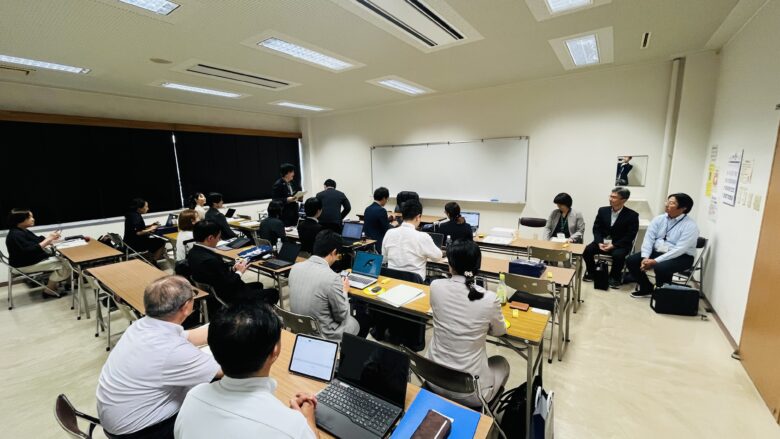
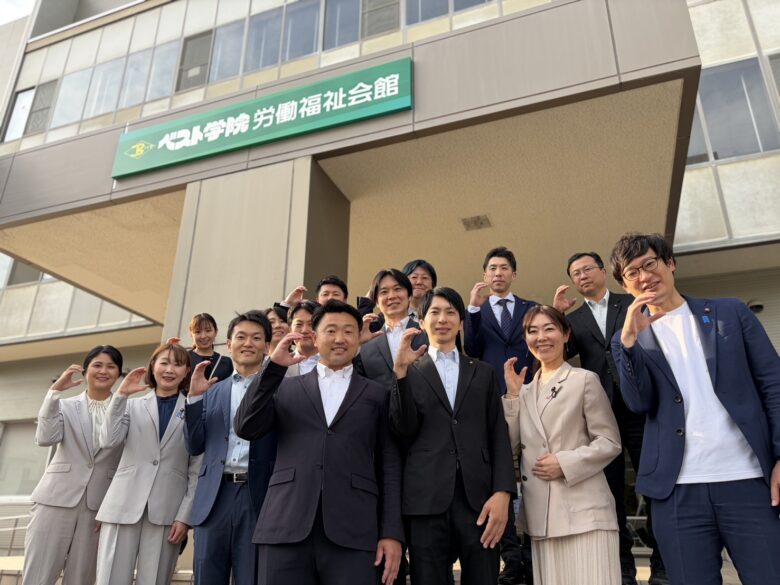
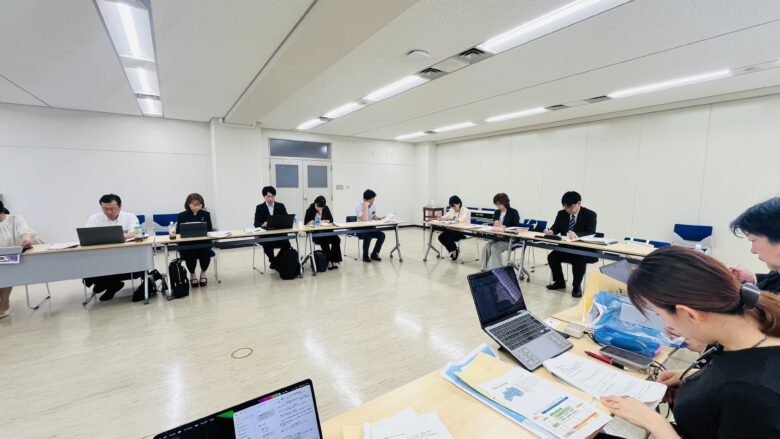
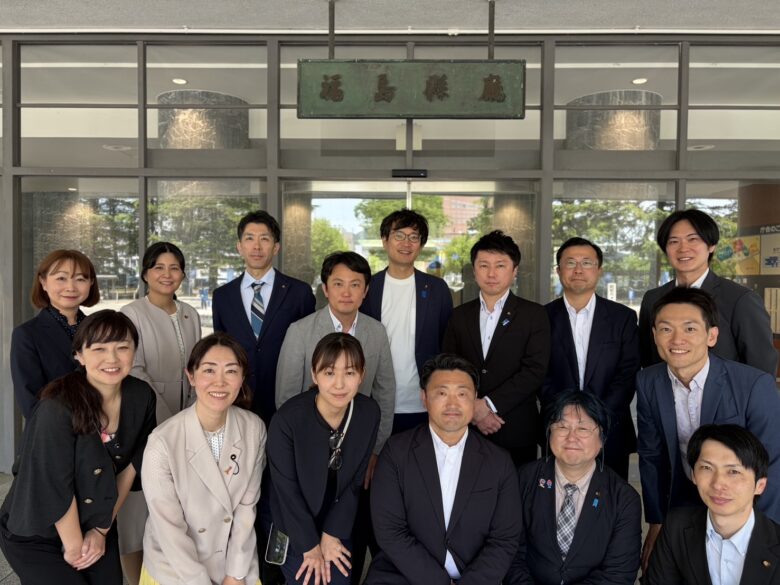
先日、全国の超党派議員で構成される「子どもの事故予防地方議員連盟」の研修視察で福島県郡山市と福島県庁を訪問し、子どもの事故予防に関する先進的な取り組みを学んできました。今回の視察を通じて感じたのは、事故は単なる不運ではなく、「分析し、学び、対策することで減らせる」ということでした。
■「勘と経験」ではなく「データ」で事故を防ぐ
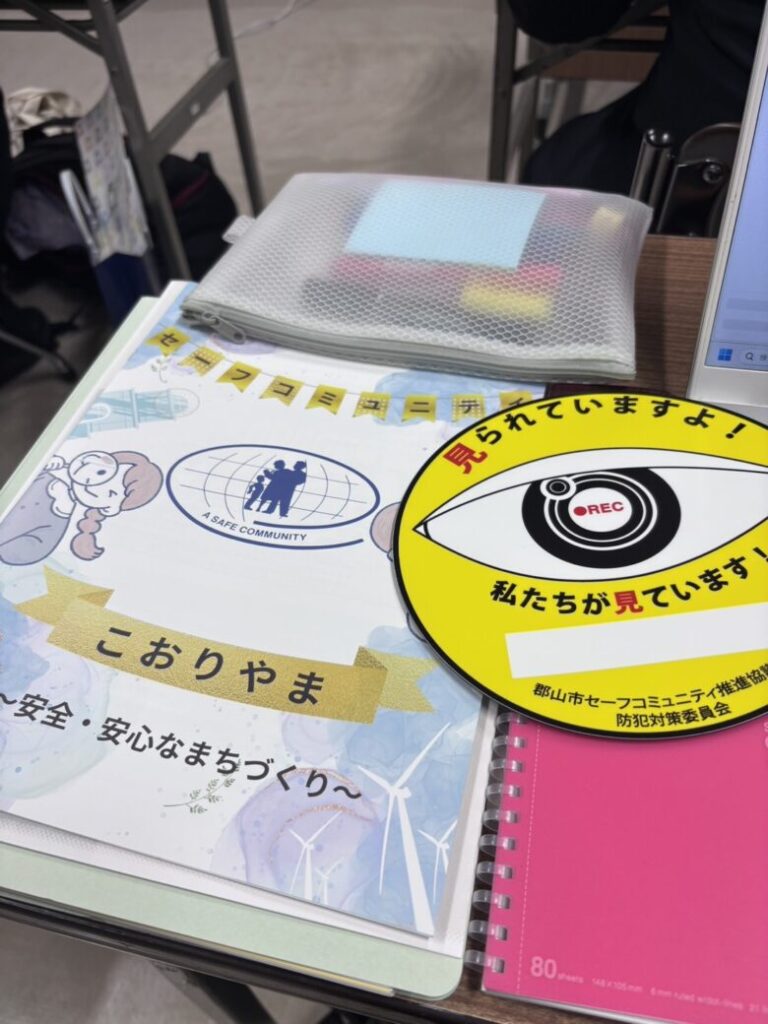
最初に視察したのは、郡山市の「セーフコミュニティ」の取り組みです。セーフコミュニティとは、事故やけが、自殺などについて、「原因を分析すれば予防できる」という考え方に基づいた国際的な取り組みです。
郡山市では、警察や消防、行政などが持つデータを集め、
- どこで事故が多いのか
- どの年代に多いのか
- どんな事故が発生しているのか
を分析した上で対策を行っています。特に印象的だったのは、交通事故が多い交差点への対応です。事故データを分析した結果をもとに、道路を視覚的に狭く見せるラインを引くなど、具体的な対策を実施していました。例えるなら、病気の治療と同じです。熱が出たからといって闇雲に薬を飲むのではなく、まず原因を調べる。事故予防も同じで、「なぜ起きたのか」を調べることが出発点なのです。
秋田市でも交通安全や高齢者対策、子どもの事故予防など様々な取り組みを行っていますが、分野ごとではなく横断的に分析する視点は非常に参考になりました。
■子育ては行政だけではできない
次に学んだのは、郡山市の「ベビーファースト事業」です。少子化対策というと、保育園や給付金をイメージする方も多いと思います。しかし郡山市は少し違いました。行政サービスだけではなく、地域全体で子育てを支える仕組みづくりを進めています。
例えば、ホテル、美容院、カーディーラー、商業施設などが補助制度を活用し、授乳室やおむつ交換スペースを整備しています。また、
- 子ども食堂支援
- 地域子育て支援センター
- ファミリーサポート事業
- 屋内遊び場整備
なども積極的に行われていました。
印象的だったのは、「子育て支援を福祉だけの問題として考えていない」ということです。若者定住や地域活性化、まちづくりとも結び付けて考えていました。子育てしやすいまちは、結果として誰にとっても暮らしやすいまちになります。秋田市においても、行政だけではなく企業や地域団体を巻き込んだ環境づくりが今後さらに重要になると感じました。
■亡くなった子どもから学ぶという重いテーマ
今回の視察で最も考えさせられたのが、福島県の「CDR(Child Death Review)」です。これは、亡くなった子どもの事例を検証し、同じような死亡事故を防ぐための仕組みです。言葉にすると簡単ですが、実際には非常に重いテーマです。
福島県では、事故死、自死、乳幼児の死亡などについて、医療機関や行政、専門家が検証を行っています。その中で見えてきた課題として、睡眠環境の改善、心肺蘇生講習の普及、医療的ケア児支援、多世代同居家庭への啓発などが挙げられていました。
質疑応答では、警察情報が共有できない問題や遺族同意の課題など、制度上の壁についても率直な議論が行われました。私はその中で、「亡くなった子どもの命から学び、次の命を守る」という考え方に強く心を動かされました。もちろん、ご遺族の気持ちを考えると簡単な話ではありません。しかし、防ぐことができた事故を一つでも減らすためには、社会全体で学び続ける必要があると感じました。
■まとめ――事故予防は特別なことではない
今回の視察を通じて改めて感じたのは、事故予防とは特別な取り組みではなく、日常の積み重ねだということです。
- データを活用する
- 地域で子育てを支える
- 事故の原因を学ぶ
- 再発防止策を考える
その一つひとつが、子どもの命を守ることにつながります。子どもたちは、自分で危険を避けられないことがあります。だからこそ、大人が学び、地域が支え、社会全体で守っていく必要があります。ぜひ皆さんも、家庭での事故防止や交通安全について、ほんの少しだけ考えてみてください。
その小さな意識が、未来の大切な命を守る第一歩になるかもしれません。
【English】May 19–20, 2026: Protecting Children’s Lives — Learning About Accident Prevention in Fukushima
“Could this really happen to my child?”
If you are raising children, you have probably had that thought at least once.
Traffic accidents, falls, water-related accidents, accidental swallowing of dangerous items, and even suicide. Accidents involving children are never someone else’s problem. At the same time, many people think, “It was just bad luck” or “There was nothing that could have been done.”
Recently, I visited the City of Koriyama and the Fukushima Prefectural Government as part of a study tour organized by the Local Assembly Members League for Child Accident Prevention, a nonpartisan organization made up of local elected officials from across Japan. We learned about advanced efforts to prevent accidents involving children. What I learned from this visit is that accidents are not simply bad luck. By studying them, analyzing them, and taking action, many accidents can be prevented.
Preventing Accidents with Data, Not Just Experience
Our first visit was to learn about Koriyama City’s Safe Community program. Safe Community is an international approach based on the idea that accidents, injuries, and suicides can be prevented if we understand their causes.
In Koriyama, data from the police, fire department, and local government are collected and analyzed to answer questions such as:
Where do accidents happen most often?
Which age groups are most affected?
What kinds of accidents occur?
Based on this analysis, practical measures are put in place.
One example that impressed me was how the city addressed dangerous intersections. By studying accident data, the city identified high-risk locations and introduced measures such as road markings that make streets appear visually narrower, encouraging drivers to slow down.
It is similar to treating an illness. When someone has a fever, we first look for the cause instead of taking medicine blindly. Accident prevention works the same way. The starting point is understanding why something happened.
Akita City is already working on traffic safety, support for older adults, and child accident prevention. However, I found Koriyama’s approach of analyzing issues across different fields to be especially valuable.
Raising Children Is Not the Government’s Job Alone
Next, we learned about Koriyama City’s Baby First Project.
When people hear about measures to address declining birthrates, they often think about childcare centers or financial support programs. Koriyama has taken a broader approach. The city is building a system in which the entire community supports families raising children.
For example, hotels, beauty salons, car dealerships, and shopping facilities have used support programs to install nursing rooms and diaper-changing spaces.
The city also actively supports:
Children’s cafeterias
Community child-rearing support centers
Family support services
Indoor play facilities
What impressed me most was that Koriyama does not view child-rearing support only as a welfare issue. It is also connected to community development, attracting young families, and creating a vibrant city.
A city that is easy to raise children in becomes a city that is easy for everyone to live in. I felt that Akita City should continue expanding efforts that involve not only government agencies but also businesses and community organizations.
Learning from the Loss of Children
The topic that made the strongest impression on me was Fukushima Prefecture’s CDR (Child Death Review) program.
This system reviews cases in which children have died and examines what can be learned to prevent similar tragedies in the future. It sounds simple, but it is an extremely serious and sensitive issue.
In Fukushima, experts, medical institutions, and government agencies review cases involving accidental deaths, suicides, and infant deaths. Through these reviews, several important issues have been identified, including:
Improving sleeping environments for infants
Expanding CPR training
Supporting children who require medical care
Raising awareness among multi-generational households
During the discussion session, participants also spoke openly about challenges within the system, such as restrictions on sharing police information and obtaining consent from bereaved families. What moved me most was the idea of learning from the lives that have been lost in order to protect future children.
Of course, considering the feelings of grieving families, this is never an easy subject. However, if we want to reduce preventable deaths, society must continue learning and improving.
Conclusion: Accident Prevention Starts with Everyday Actions
This visit reminded me that accident prevention is not something special. It is the result of everyday efforts.
Using data effectively
Supporting families as a community
Learning the causes of accidents
Developing measures to prevent them from happening again
Each of these actions helps protect children’s lives. Children cannot always recognize or avoid danger by themselves. That is why adults must learn, communities must provide support, and society as a whole must work together to keep children safe.
I hope everyone will take a moment to think about accident prevention and traffic safety at home.
That small awareness could become the first step toward protecting an important life in the future.
【Español】19 y 20 de mayo de 2026: Proteger la vida de los niños — Lo que aprendí sobre la prevención de accidentes en Fukushima
“¿Y si esto le pasara a mi hijo o hija?”
Si usted está criando niños, probablemente ha pensado algo parecido al menos una vez.
Accidentes de tránsito, caídas, accidentes relacionados con el agua, ingestión accidental de objetos peligrosos e incluso el suicidio. Los accidentes que afectan a los niños nunca son un problema lejano. Sin embargo, muchas veces pensamos: “Fue mala suerte” o “No se podía evitar”.
Recientemente visité la ciudad de Koriyama y el Gobierno Prefectural de Fukushima como parte de una gira de estudio organizada por la Liga de Autoridades Locales para la Prevención de Accidentes Infantiles, una organización multipartidaria integrada por representantes locales de todo Japón. Allí aprendimos sobre iniciativas avanzadas para prevenir accidentes infantiles. Lo que más me quedó de esta visita fue que los accidentes no son simplemente mala suerte. Si los analizamos, aprendemos de ellos y tomamos medidas, muchos pueden prevenirse.
Prevenir accidentes con datos, no solo con experiencia
La primera visita fue para conocer el programa Safe Community de la ciudad de Koriyama. Se trata de una iniciativa internacional basada en la idea de que los accidentes, las lesiones y los suicidios pueden prevenirse si entendemos sus causas.
En Koriyama, se recopilan y analizan datos de la policía, los bomberos y las autoridades locales para responder preguntas como:
¿Dónde ocurren más accidentes?
¿Qué grupos de edad se ven más afectados?
¿Qué tipos de accidentes suceden?
Con base en esos análisis, se aplican medidas concretas.
Un ejemplo que me llamó mucho la atención fue el trabajo realizado en cruces peligrosos. Gracias al análisis de datos, la ciudad identificó puntos de alto riesgo e implementó medidas como líneas que hacen que las calles parezcan más angostas, ayudando a que los conductores reduzcan la velocidad.
Es parecido al tratamiento de una enfermedad. Cuando una persona tiene fiebre, primero se busca la causa antes de tomar cualquier medicamento. La prevención de accidentes funciona de la misma manera. El primer paso es entender por qué ocurrió el accidente.
En la ciudad de Akita ya se realizan esfuerzos relacionados con la seguridad vial, el apoyo a las personas mayores y la prevención de accidentes infantiles. Sin embargo, me pareció especialmente valioso el enfoque de Koriyama de analizar los problemas de manera integral y no por áreas separadas.
La crianza de los niños no es solo responsabilidad del gobierno
También aprendimos sobre el proyecto Baby First de la ciudad de Koriyama.
Cuando se habla de medidas frente a la baja natalidad, muchas personas piensan en guarderías o ayudas económicas. Sin embargo, Koriyama ha tomado un enfoque más amplio. La ciudad está construyendo un sistema donde toda la comunidad participa en el apoyo a las familias.
Por ejemplo, hoteles, salones de belleza, concesionarios de vehículos y centros comerciales han instalado salas de lactancia y espacios para cambiar pañales mediante programas de apoyo.
Además, la ciudad impulsa activamente:
Comedores para niños
Centros comunitarios de apoyo a la crianza
Servicios de apoyo familiar
Espacios interiores de juego para niños
Lo que más me impresionó fue que Koriyama no considera la crianza únicamente como un tema de bienestar social. También la relaciona con el desarrollo comunitario, la atracción de familias jóvenes y la revitalización de la ciudad.
Una ciudad donde es fácil criar hijos termina siendo una ciudad donde es fácil vivir para todas las personas. Sentí que en Akita también será cada vez más importante fortalecer la cooperación entre el gobierno local, las empresas y las organizaciones comunitarias.
Aprender de la pérdida de un niño
El tema que más me hizo reflexionar fue el programa CDR (Child Death Review) de la prefectura de Fukushima. Este sistema analiza los casos de niños fallecidos para identificar lecciones que permitan prevenir tragedias similares en el futuro. Aunque la explicación es sencilla, se trata de un tema muy delicado y profundo.
En Fukushima, especialistas, instituciones médicas y organismos públicos revisan casos de muertes por accidentes, suicidios y fallecimientos de bebés. Gracias a estas revisiones se han identificado desafíos importantes, entre ellos:
Mejorar los entornos de sueño para los bebés
Ampliar la capacitación en reanimación cardiopulmonar (RCP)
Apoyar a los niños que requieren atención médica especializada
Promover información y educación en hogares donde viven varias generaciones juntas
Durante la sesión de preguntas y respuestas también se habló abiertamente de desafíos institucionales, como las limitaciones para compartir información policial y las dificultades para obtener el consentimiento de las familias.
Lo que más me conmovió fue la idea de aprender de las vidas que se han perdido para proteger a los niños del futuro.
Por supuesto, considerando el dolor de las familias, este no es un tema sencillo. Sin embargo, si queremos reducir las muertes que pueden prevenirse, la sociedad debe seguir aprendiendo y mejorando.
Conclusión: La prevención de accidentes comienza con acciones cotidianas
Esta visita me recordó que la prevención de accidentes no es algo extraordinario. Es el resultado de pequeños esfuerzos diarios.
Utilizar los datos de manera efectiva
Apoyar la crianza desde toda la comunidad
Aprender las causas de los accidentes
Diseñar medidas para evitar que vuelvan a ocurrir
Cada una de estas acciones ayuda a proteger la vida de los niños.
Los niños no siempre pueden reconocer o evitar los peligros por sí solos. Por eso los adultos debemos aprender, las comunidades deben brindar apoyo y toda la sociedad debe trabajar unida para protegerlos.
Les invito a dedicar un momento para reflexionar sobre la prevención de accidentes y la seguridad vial en sus hogares.
Esa pequeña conciencia puede convertirse en el primer paso para proteger una vida valiosa en el futuro.